admin
Citizen Sleeper 2: Starward Vector builds on the dice-driven role-playing and character-focused storytelling of the first game, adding new survival systems, a larger space map, and high-risk contracts. In a preview of the opening section, the sequel’s familiar balance between careful planning and uncertain outcomes is joined by mechanics that make managing the Sleeper’s condition a central part of every decision.
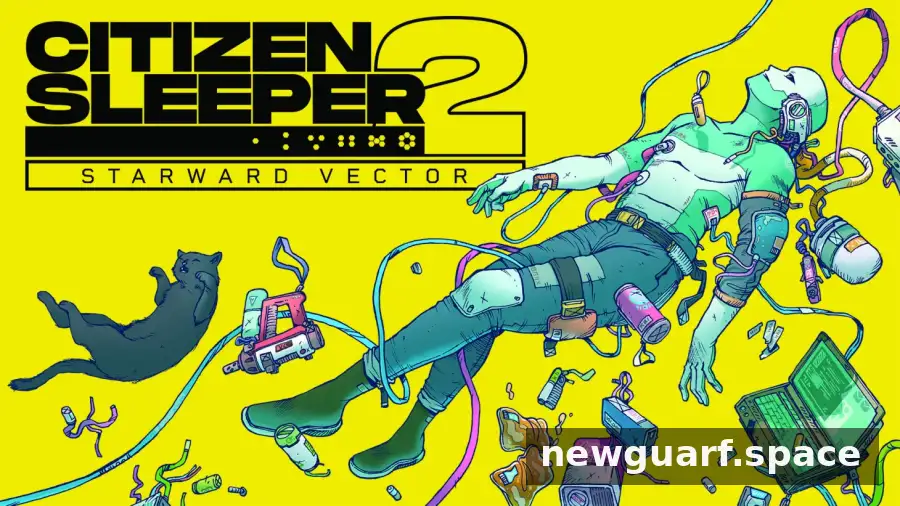
Citizen Sleeper 2: Starward Vector returns to life on the run
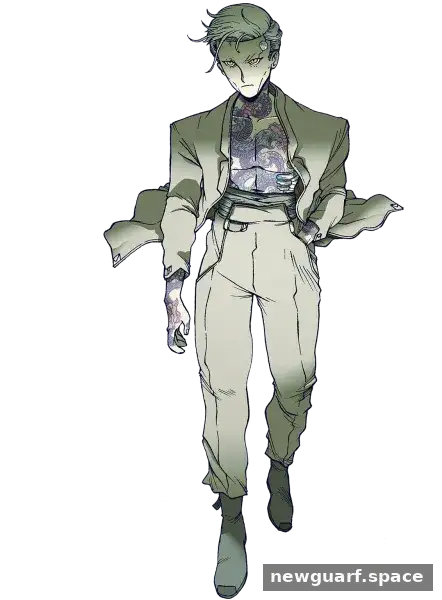
The story follows a Sleeper whose artificial body is failing. After a partial system reboot removes their need for Stabilizer, they escape with Serafin aboard the Rig, a ship taken from gang leader Laine, and head for Hexport. Laine sends gang members and bounty hunters after them.
The sequel is designed as a standalone story, though it carries forward connections to the first game. Gareth Damian Martin, the developer behind Jump Over The Age, has described the setup as an intentional noir-inspired tale: an ordinary person forced to improvise as increasingly dangerous circumstances close in. This time, the threat is a single pursuer and his gang rather than a corporate conglomerate, giving the conflict a more personal feel.
Classes and dice shape your approach
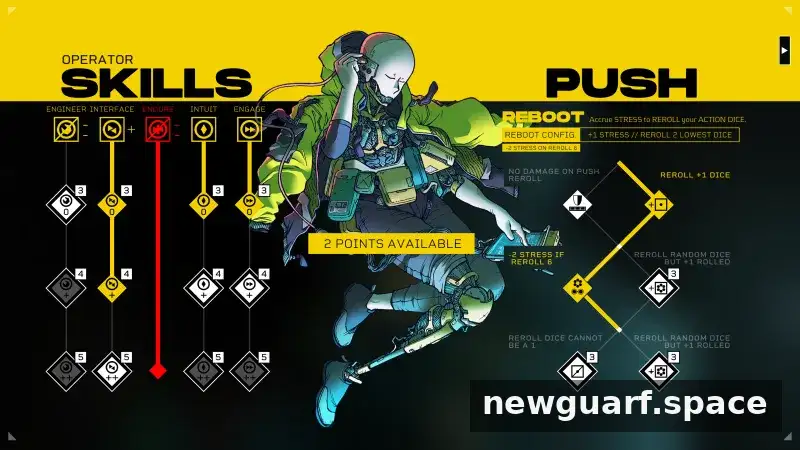
Players choose from three Sleeper classes. The preview’s Operator is physically fragile but skilled with interfaces and computer systems. Class choice matters: the Operator lacks access to one skill, making actions that depend on it more difficult. In exchange, the class has Reboot, which lets the player reroll a die. The new result could be better or worse, so using the ability means accepting a calculated risk.
Dice still determine the odds of actions succeeding, but a high roll is no guarantee of a positive outcome. In one example, a 5-dice result used to ask crews for contacts produced a neutral outcome and materials instead. Exploring and completing enough actions can also reveal new locations. At The Bends, players can spend Cryo on the Star and Stoker game or purchase fries to restore energy.
Practical tip: A reroll can rescue an important action, but it is worth considering whether the possible downside is manageable before using it.
Stress, Glitch, and survival
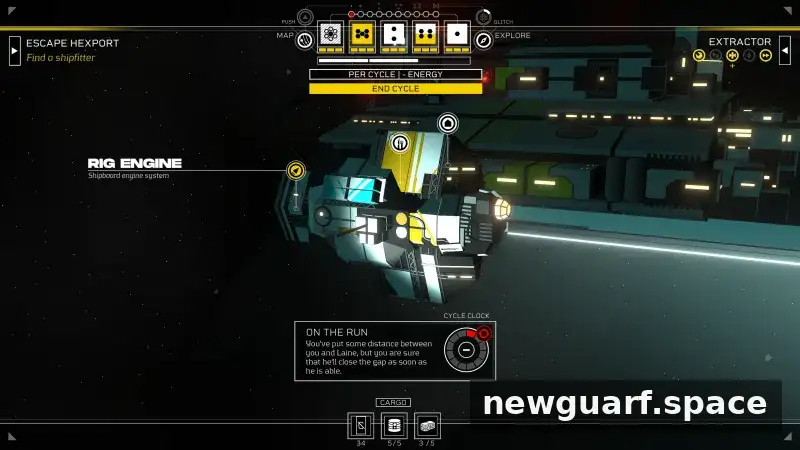
Energy decreases as cycles pass, with a cycle generally ending when the player runs out of dice. If energy reaches zero, the Sleeper starves and gains one stress bar each cycle. Stress affects dice: repeated damage can eventually break one, and a die damaged three times remains unusable until repaired.
Glitch adds another layer of uncertainty. When Glitch is present, a player may roll Glitch dice, each with an 80% chance of a negative result and a 20% chance of the best possible outcome. The amount of Glitch gained depends on how the Sleeper is repaired or healed: scrap parts can cause more, while premium resources cause little or none.
These systems make recovery a strategic choice, not just a way to restore a character. Players must weigh the benefits of healing against the risks that may affect later rolls. Martin has explained that the added mechanics are intended to support role-playing by giving choices about the character’s circumstances tangible gameplay consequences.
Contracts expand the journey beyond Hexport
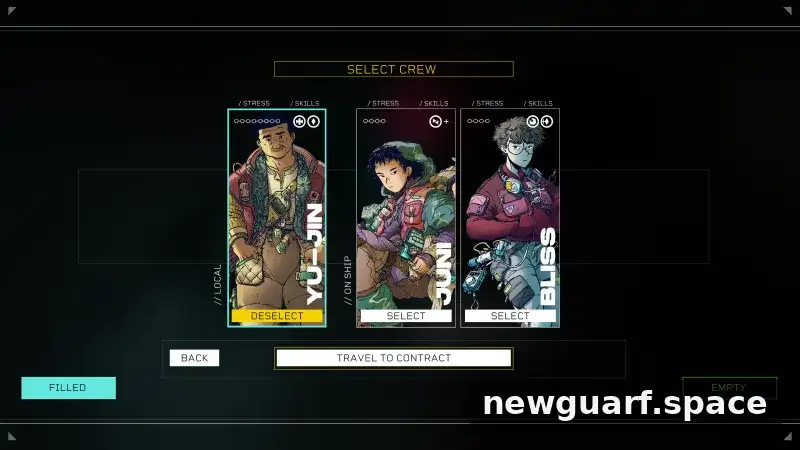
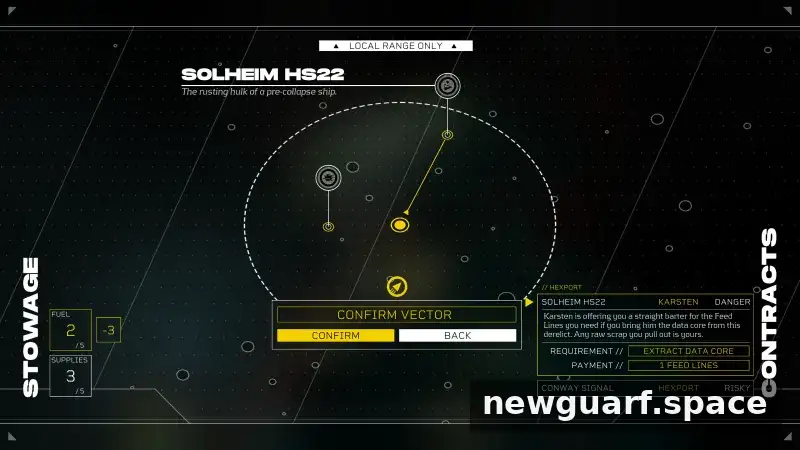
Contracts introduce high-risk, high-reward jobs and take the adventure beyond the single space station that defined much of the first game. A star map lets players travel between different points of interest. Before setting out, the game advises checking fuel and supplies and considering whether to recruit freelance crew members.
Crew members contribute to the story and can provide dice that work alongside the Sleeper’s own. Martin describes contracts as shorter story episodes: some characters may reappear across several jobs, while others appear in only one. The stories can vary in intensity, so each contract offers a different kind of encounter.
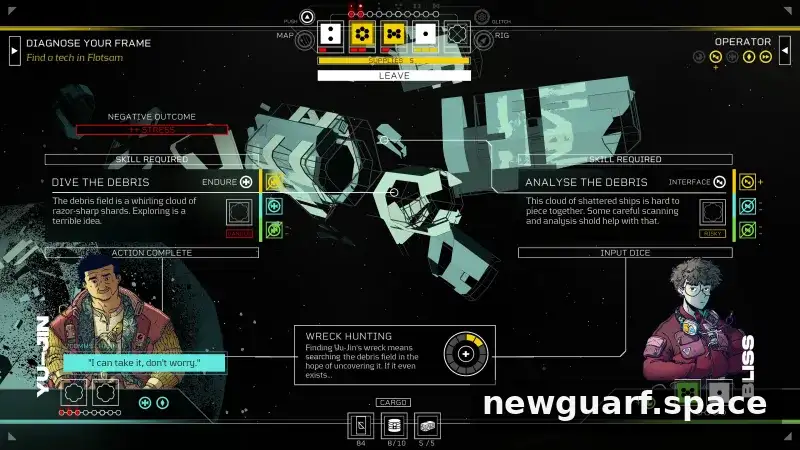
Preparation matters because supplies are limited. In the preview, the player can carry a maximum of five supplies before leaving. During a contract, supplies restore energy after each cycle. Once they run out, energy falls each cycle, worsening dice and increasing the chance that the mission will go wrong.
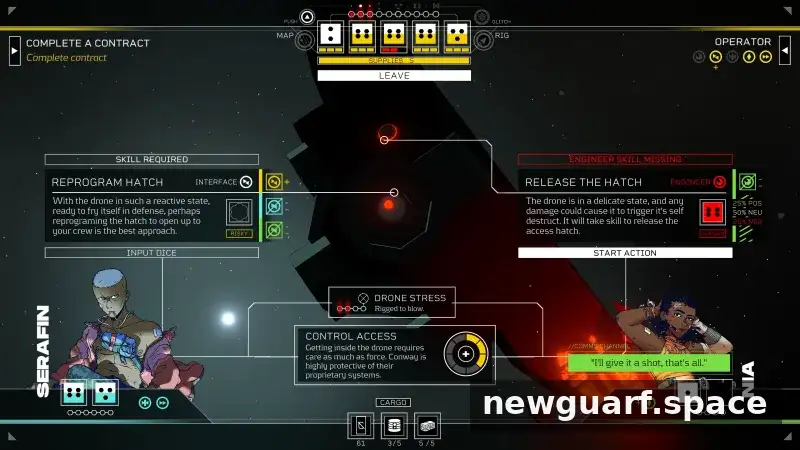
One contract involves a security drone rigged to explode after four mistakes. The player must disable parts of it in a particular order while managing dice, energy, and supplies. Low-number dice carry a greater risk of failure, and crew dice are affected by their users’ skill proficiencies. Ending a cycle early can be a sensible option when the available dice are too risky, though it means waiting for a new roll.
A broader role-playing system
Another ability, Push, can provide dice bonuses but immediately increases Stress. The skill tree is also more extensive and customizable, with an emphasis on letting players shape a build rather than steering everyone toward one approach. Together, these systems give players more ways to respond to challenges, while making the costs of those choices visible.
Martin said development was halfway complete at the time of the preview, with the script already at 120,000 words. For comparison, Citizen Sleeper and its downloadable content total 180,000 words. The sequel also leans further into tabletop role-playing influences and cyberpunk themes.
What the preview suggests
Citizen Sleeper 2: Starward Vector expands the original’s core ideas with more locations, a crew to manage, contracts, and interconnected survival systems. Its new mechanics create extra pressure, but they also give decisions more weight: pushing for a better roll may increase Stress, while choosing how to repair the Sleeper can affect future dice.
The preview suggests the sequel is aiming for more than simply adding content. Its central appeal remains the tension between success and failure, now shaped by a wider set of tools and trade-offs. For players who enjoy thoughtful sci-fi role-playing, Citizen Sleeper 2: Starward Vector appears poised to offer a larger adventure while keeping its focus on the consequences of each choice.