 admin
Nintendo Switch 2 builds on the hybrid console concept that helped the original Switch become a major success. After spending more than eight years on the market and selling over 150 million units, the first system is getting a successor designed with a larger display, upgraded features, and new ways to play. A hands-on session offered an early look at how those changes feel in practice.
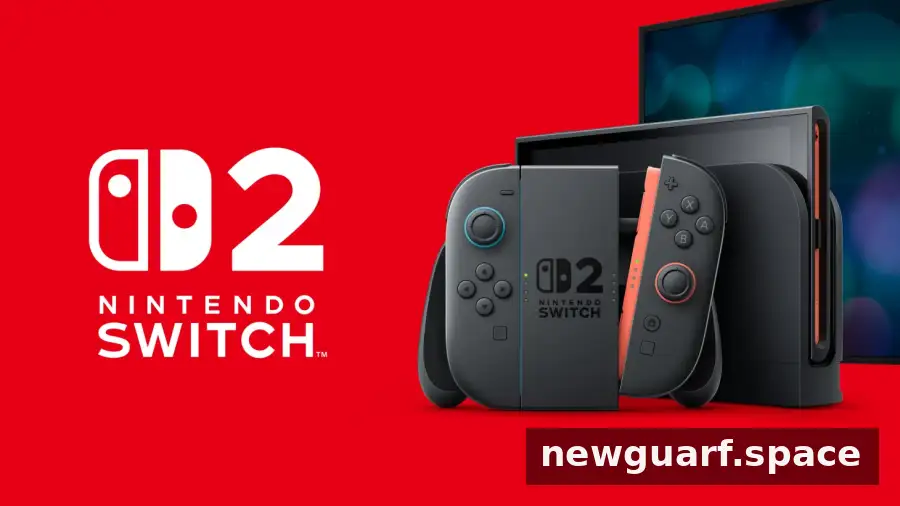
Nintendo Switch 2 design and display
The console has a sleek appearance and feels notably larger than its predecessor. Its 7.9-inch LCD screen provides more viewing space than the 7-inch display on the Switch OLED model and the 6.2-inch screen on the original Switch.
Although the new system uses LCD rather than OLED technology, games looked vivid during the demo. Playing Mario Kart World on the built-in display, the 1080p resolution and smooth motion made the larger screen feel well suited to portable play. Nintendo Switch 2 supports refresh rates of up to 120 frames per second and HDR, which brings more vibrant colors and lighting to supported content.
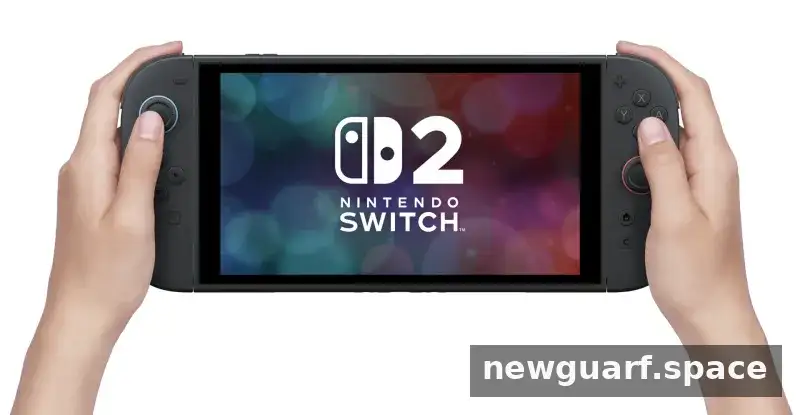
Nintendo Switch 2 hardware design lead Tetsuya Sasaki said the team reviewed current LCD technology during development and selected it after careful consideration. Producer Kouichi Kawamoto noted that HDR support is new to the Switch family, including compared with the Switch OLED model.
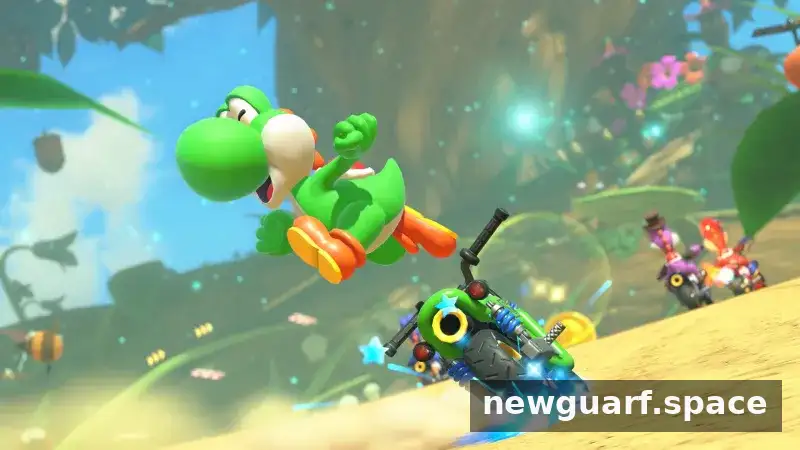
Mario Kart World also looked impressive on the console’s own screen. The system’s speakers are described as improved, though the noisy demo environment made it difficult to judge their quality. For tabletop play, the kickstand is more adjustable and durable than the original model’s stand, making it easier to position the console securely.
Joy-Con 2 controls and new ways to play
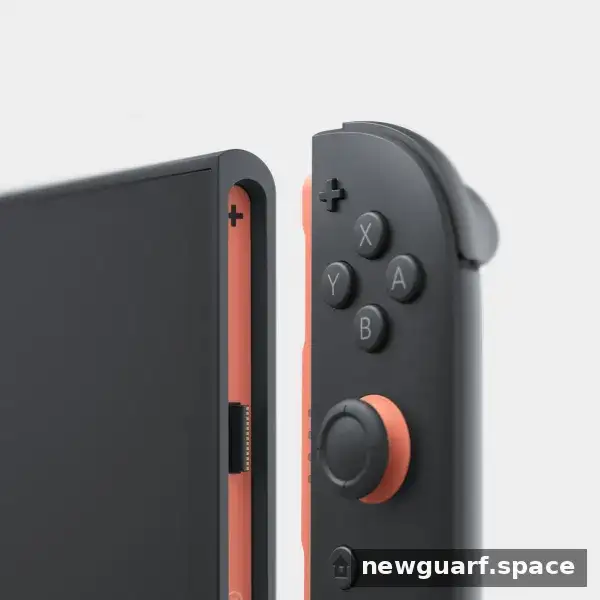
Joy-Con 2 controllers attach using a magnetic button-release system rather than the original Switch’s rails. Connecting and removing them takes a little practice. During testing, attaching the bottom of a controller before the top made the process easier, and the magnetic connection felt sturdy once in place.
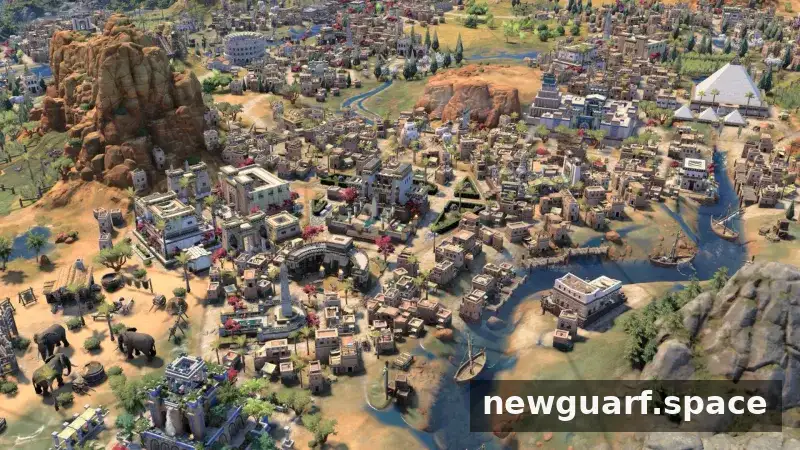
The controllers’ mouse functionality was a standout feature. Turning a Joy-Con 2 sideways activates mouse controls in supported games, without needing to open a menu. In Civilization VII, for example, one controller could handle familiar movement inputs while the other acted as a mouse. Metroid Prime 4: Beyond also offered a way to switch between traditional first-person controls and mouse-style aiming. Small pads on the controllers’ sides help them move across a surface during this type of play.
The camera-based minigames in the Nintendo Switch 2 Edition of Super Mario Party Jamboree demonstrated another use for the system’s camera. Players’ movements were separated into individual spaces, with backgrounds removed so each person appeared within the game. In one instance, the camera had trouble identifying a player standing up, possibly because their shirt blended with the wall behind them. The demo showed potential for camera features in games, although performance may depend on the play space and background.
GameChat and other social features involving the built-in microphone and optional camera were not tested during the session. The camera-based minigames, however, offered an early example of how developers might use these tools beyond communication.
Controllers, compatibility, and storage
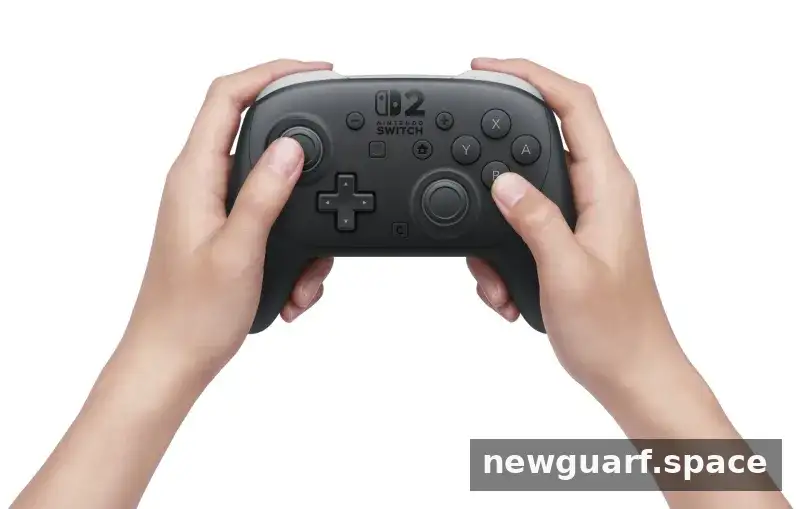
The Switch 2 Pro Controller retains a feel similar to the original Pro Controller, with a C-button for GameChat and two mappable buttons on the back. Those extra buttons provide more control options for players who like to assign actions to rear paddles. Owners of existing Switch accessories can continue using them with Switch 2, so upgrading does not require replacing every accessory.
Other hardware details include 256 GB of internal storage, broader backward compatibility, and larger SL and SR buttons for more comfortable sideways Joy-Con play. Together, these additions support both familiar play styles and new control options.
Is Nintendo Switch 2 a worthy successor?
The hands-on experience suggests Nintendo Switch 2 is more than a simple increase in size and power. Its larger HDR display, magnetic Joy-Con 2 attachment, mouse controls, camera features, and improved tabletop stand give players several practical changes to explore. Compatibility with Switch accessories also makes the transition more convenient for existing owners.
With a launch lineup that includes Mario Kart World and support for games such as Civilization VII and Metroid Prime 4: Beyond, Nintendo Switch 2 appears positioned to carry the hybrid system concept into a new generation. The console arrives on June 5.
Alex Van Aken contributed to this article.
