admin
Teenage Mutant Ninja Turtles: Tactical Takedown takes a different route from the franchise’s familiar cooperative brawlers. Developed by Strange Scaffold, the game combines turn-based tactics with the forward-moving action of a side-scrolling beat ’em up. Its changing stages, character-specific abilities, and story focused on the individual Turtles give the blend a distinct identity.
How Teenage Mutant Ninja Turtles: Tactical Takedown Combines Genres
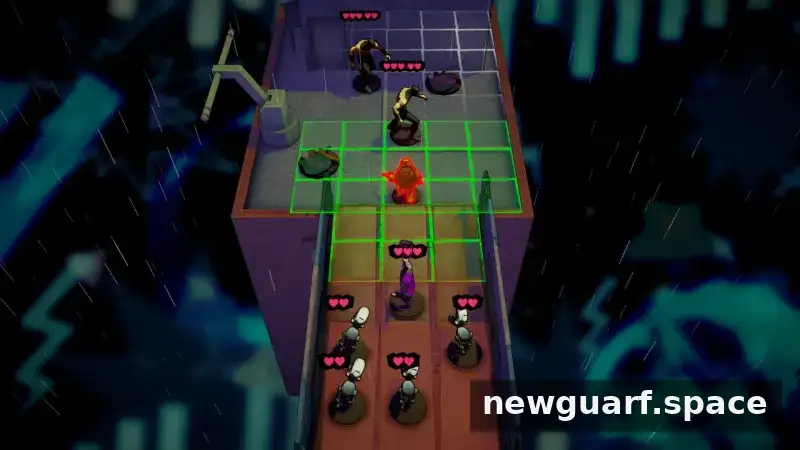
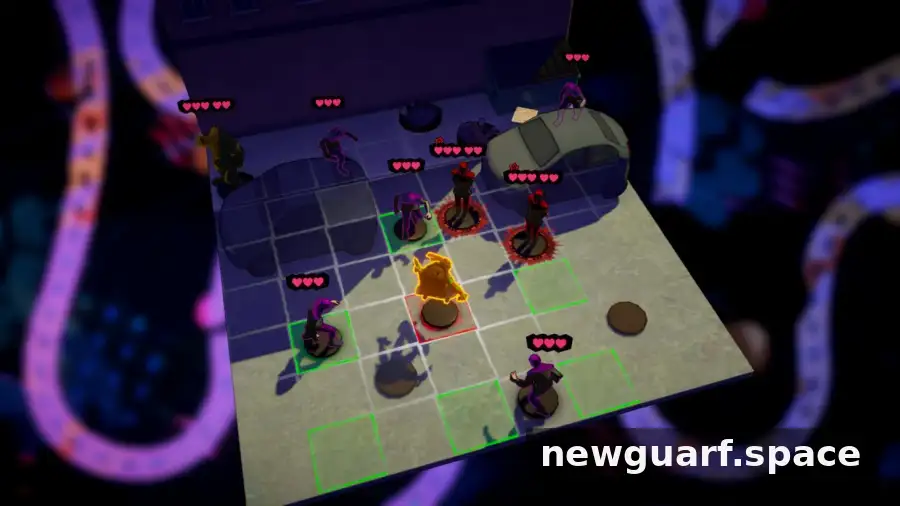
Rather than having players fight continuously, Tactical Takedown organizes combat into turns. Each Turtle has several action points to spend, creating opportunities to attack, move, and plan positioning within the same turn. That flexibility can help players deal with one enemy before engaging another, but it also makes it important to consider where the character will end up when opponents act.
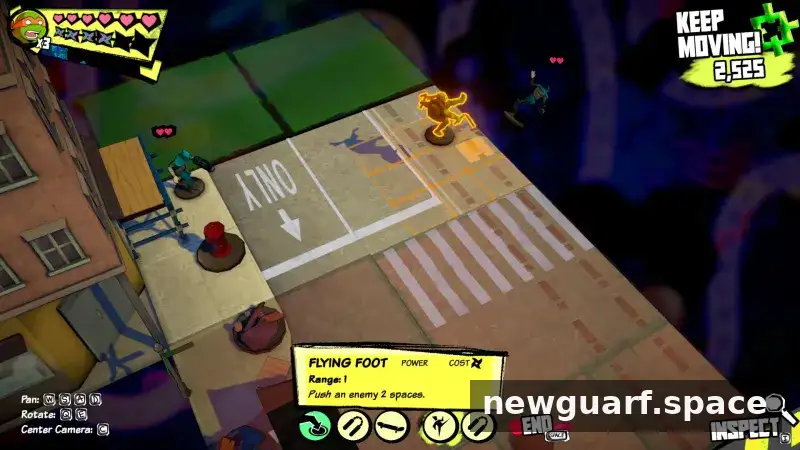
The battlefield itself adds pressure. Sections of each level fall away as the action progresses, while new areas appear farther ahead. Standing still or relying on a familiar strategy can leave a Turtle in danger, so it helps to keep moving and pay attention to the changing layout.
A Strange Scaffold Take on the TMNT Universe
Strange Scaffold head Xalavier Nelson had been interested in making a game based on an established property for several years. After connecting with Paramount’s Doug Rosen, Nelson considered which franchise would suit the studio’s approach. The team chose Teenage Mutant Ninja Turtles and adapted turn-based ideas it had explored while developing Teenage Demon Slayer Society.
Executive producer and writer Manda Farough described the project as a genre blend shaped by the studio’s interest in unusual twists. The goal was not simply to add tactics to a conventional brawler, but to make the strategic format serve the pace and personality associated with the Turtles.
Each Turtle brings a different combat style
The early chapters introduce the brothers through stages designed around their abilities. Michelangelo uses skateboard attacks that let him leap over enemies. Donatello’s bo staff gives him reach, while his technical skills allow him to use gadgets. Raphael’s forceful approach includes attacks that create extra moves and can reposition opponents. Leonardo’s leadership helps him grow stronger after defeating an enemy.
Players can also spend in-game currency to acquire different moves and adjust a Turtle’s loadout. A practical approach is to try each character’s core abilities before spending currency, then choose upgrades that complement the way you prefer to move and attack.
Changing Stages Reward Adaptability
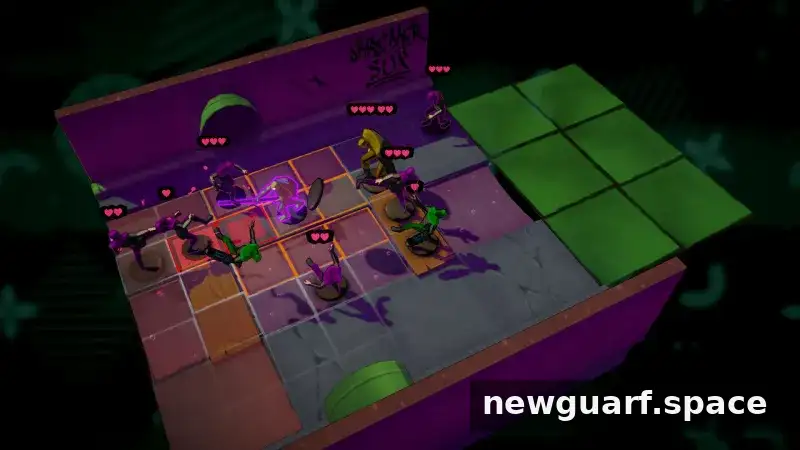
Players control one Turtle at a time, rather than switching among the brothers in the style of classic co-op beat ’em ups. Each stage selects a character, allowing encounters to be built around that Turtle’s specific tools. The shifting level layout makes this focus especially important: a plan that works at the start of a mission may need to change as the arena evolves.
Players familiar with other turn-based strategy games may need to adjust their habits. In the first mission, relying on approaches associated with games such as XCOM or Mario + Rabbids can be risky if they overlook the stage’s movement and timing. Keep an eye on the terrain, learn how each Turtle’s actions connect, and avoid leaving a character exposed to an approaching group of enemies.
A More Personal Story for the Turtles
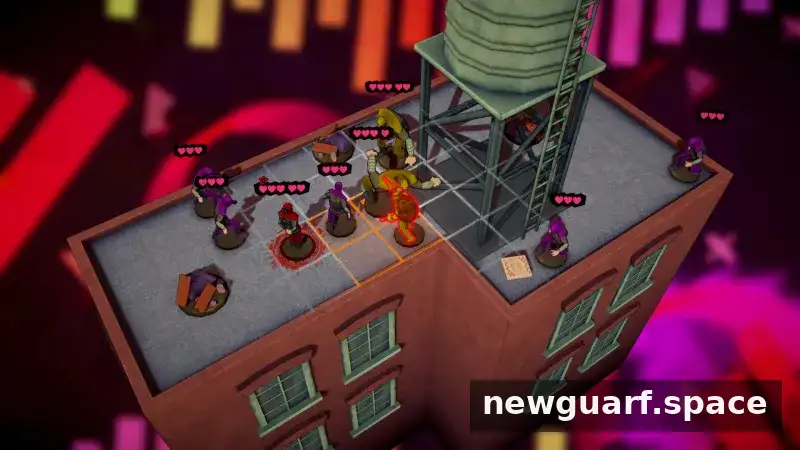
The single-Turtle structure also supports the game’s narrative. Before the events of Tactical Takedown, Splinter and Shredder have died, and the brothers are struggling to find their footing while becoming disconnected from one another. Following one character at a time gives the story room to explore individual perspectives instead of relying only on group interactions.
Farough explained that this approach allowed the writing team to suggest relationships and conversations that take place beyond the scenes directly shown in the game. It also gave the story a way to develop the ensemble through separate viewpoints. Nelson emphasized that familiar characters should have meaningful roles: adding major figures such as Splinter, Bebop, Rocksteady, or Shredder can affect the story and the choices available elsewhere in the game.
What to Expect from Tactical Takedown
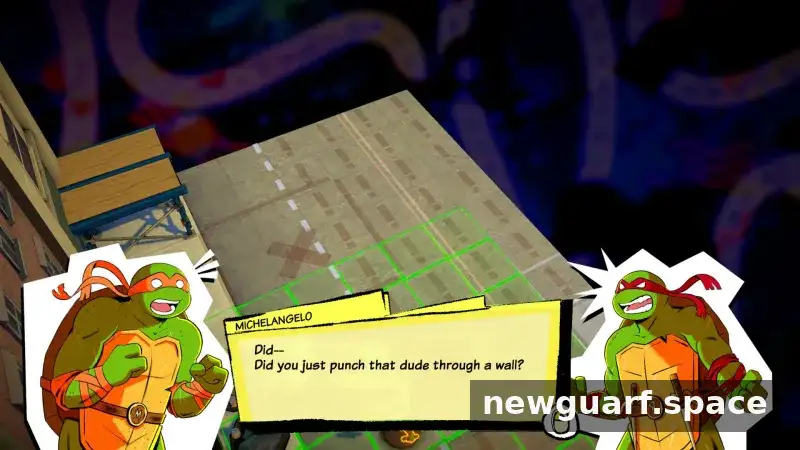
The first two chapters demonstrate how the game’s tactical decisions, character-specific combat, and changing environments work together. The unusual combination may take time to learn, particularly for players expecting a traditional side-scrolling brawler, but understanding each Turtle’s moves and staying alert to the shifting stage can make missions more manageable.
Teenage Mutant Ninja Turtles: Tactical Takedown was scheduled to arrive on Steam on May 22. Although the game was described as playing well with a controller, Strange Scaffold had not confirmed a console release. The studio said it continues to explore ways to bring its games to more players.
Conclusion
Teenage Mutant Ninja Turtles: Tactical Takedown offers a fresh take on the franchise by combining turn-based planning with the momentum of a side-scrolling beat ’em up. Its evolving arenas encourage players to adapt, while each brother’s distinct abilities give missions their own rhythm. Learning the characters and moving with the changing battlefield are useful starting points for anyone interested in this tactical spin on the Turtles.