admin

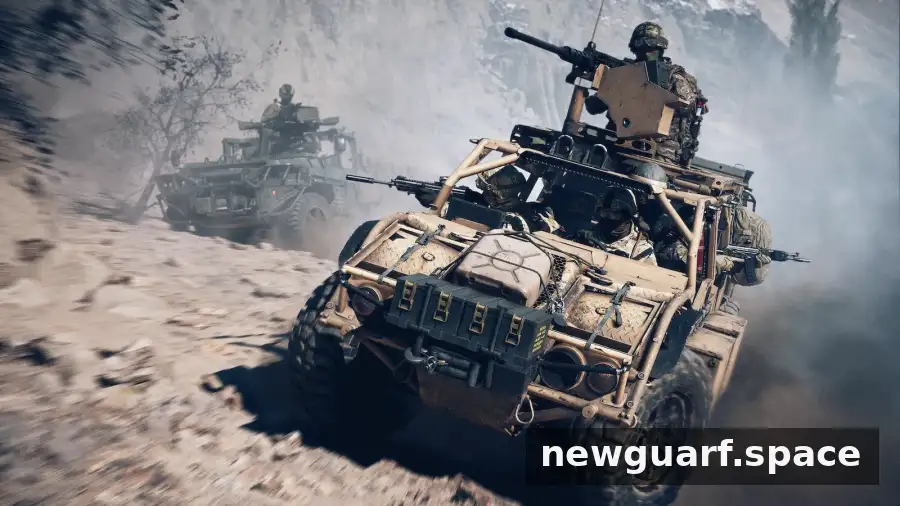
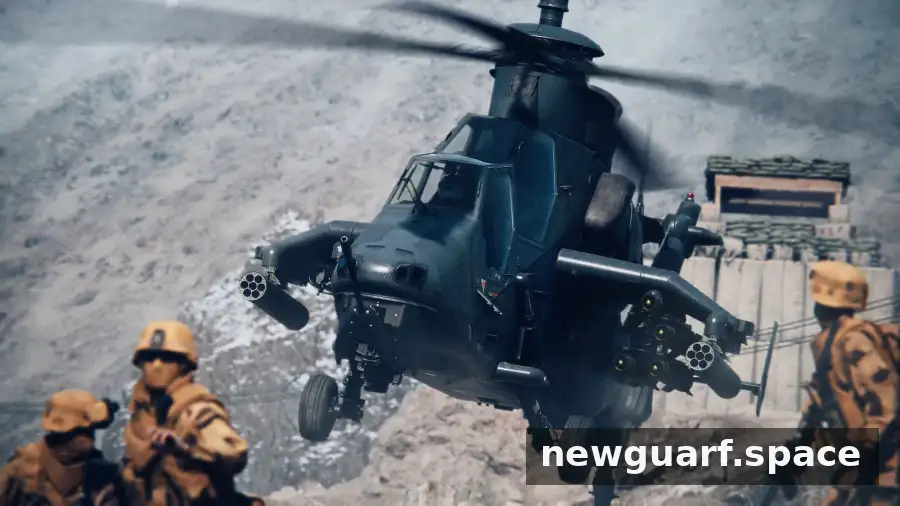
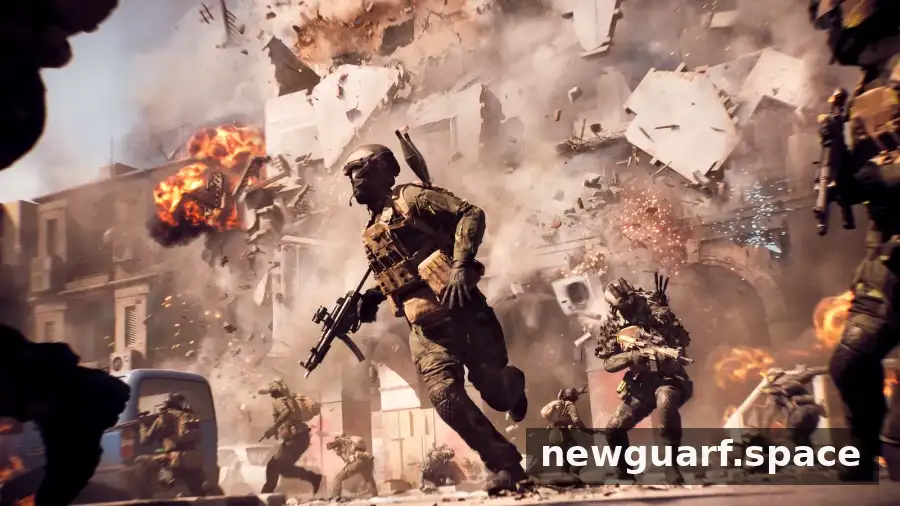
Battlefield 6 builds on the series’ familiar mix of large-scale battles and destructible environments, while aiming to make its combat more focused and cinematic. A hands-on preview suggests that teamwork, changing cover, and mode-specific map design are central to the experience.
Battlefield 6: Familiar Yet Cinematic
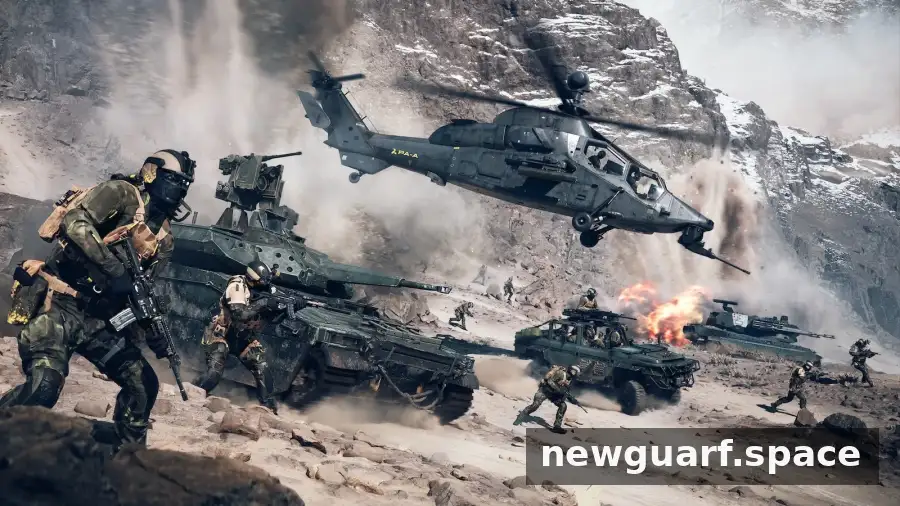
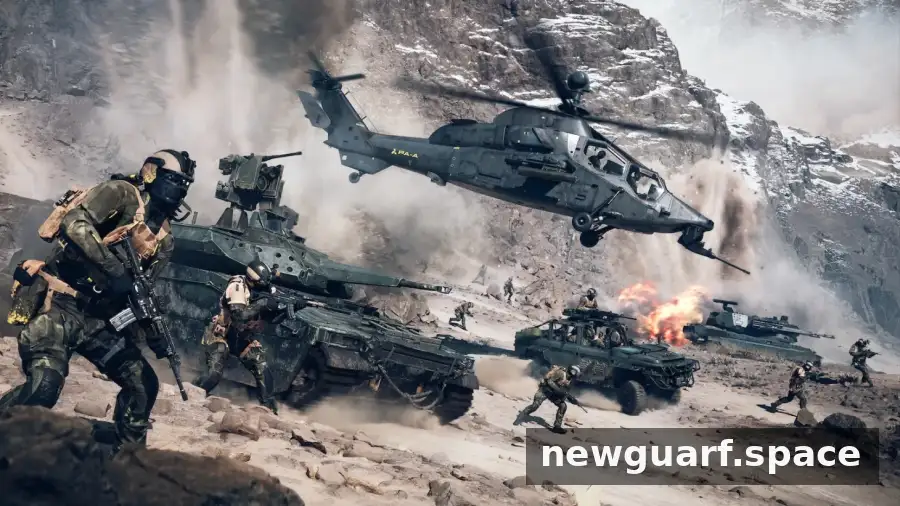
For nearly two decades, Battlefield has been associated with expansive fights and environments that can change as battles unfold. Battlefield 6 continues those traditions while refining parts of the formula for a wider audience. That focus is particularly relevant after Battlefield 2042 received criticism, including for problems at launch. A stable release will be important for the new game.
Four studios are working on Battlefield 6, with DICE producer Alexia Christofi describing their combined contribution as a source of varied perspectives. Teams in different time zones also help sustain what she called a “24-hour development” cycle. Christofi works from the Criterion office and said her team includes people from across the studios involved in the project.
The development team did not confirm whether EA’s target of 100 million players is accurate or achievable. For players, the practical point is that the game is being developed by a broad group of teams, though its eventual reach remains uncertain.
Destruction That Changes the Fight
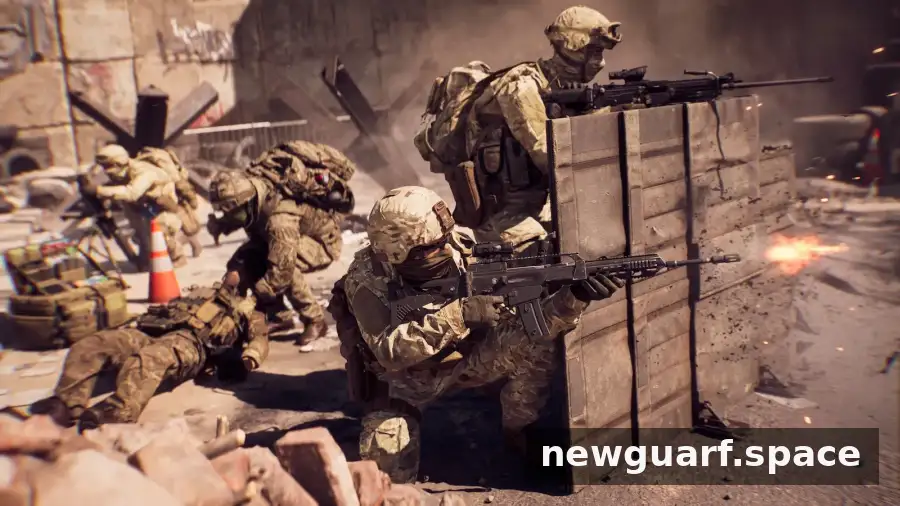
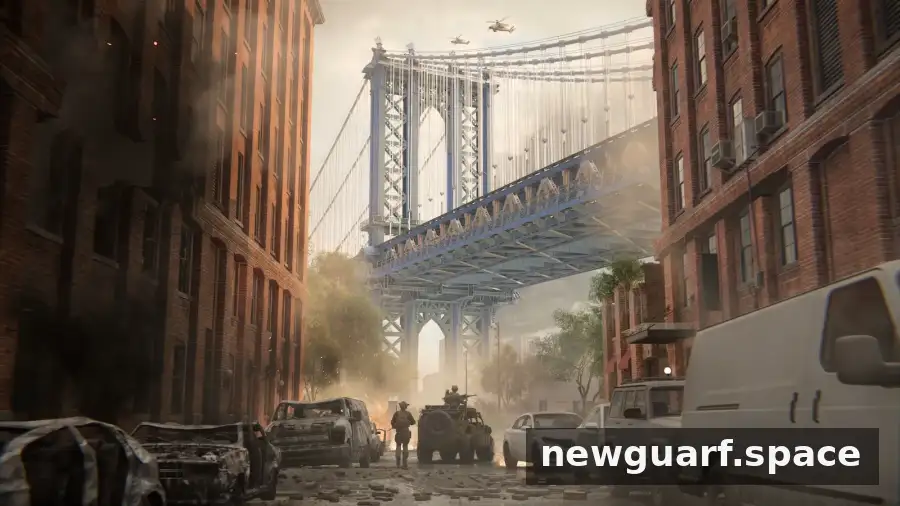
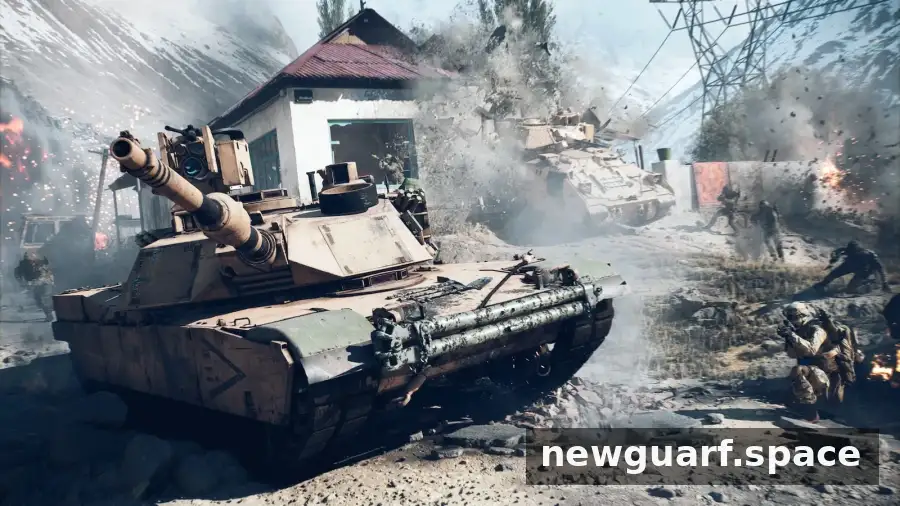
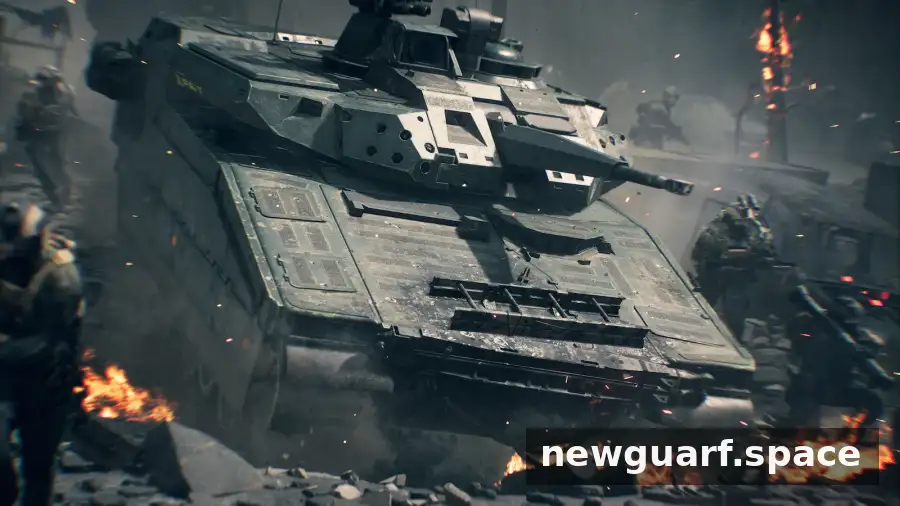
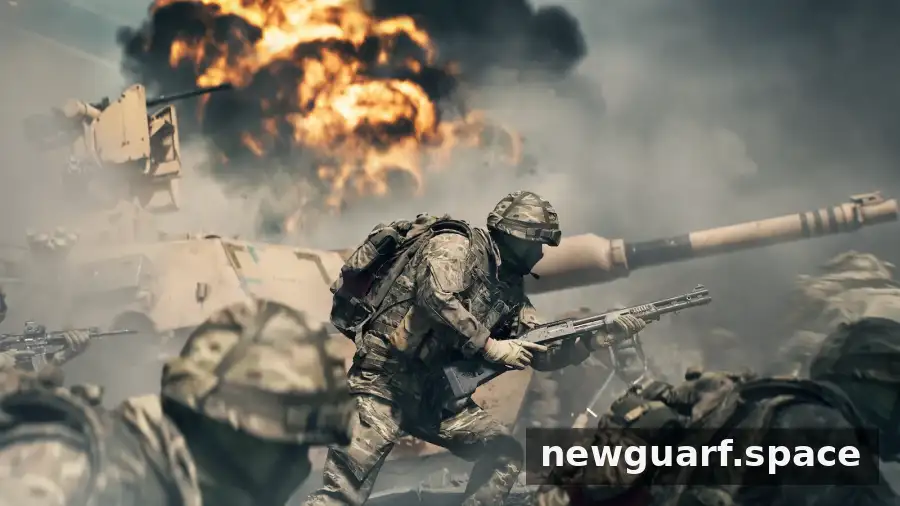
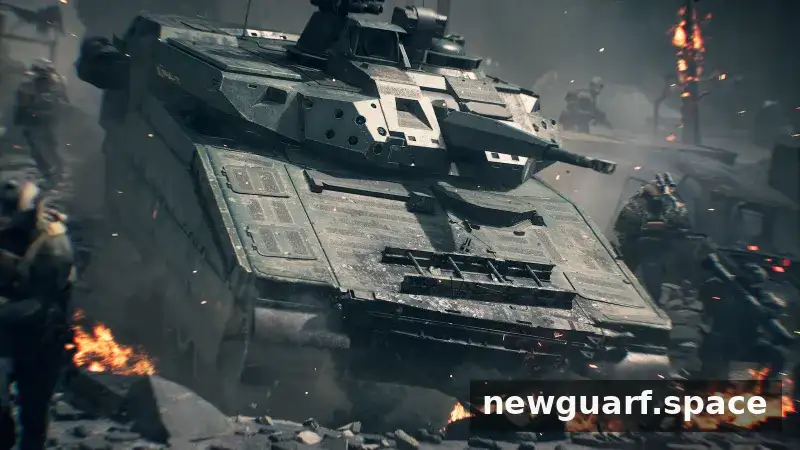
The preview’s battles had the scale and pace of an action film, with gunfire, casualties, and structures being damaged around the player. DICE senior producer David Sirland described the team’s approach as considering the “aftermath” of destruction: what remains after a building or structure is damaged.
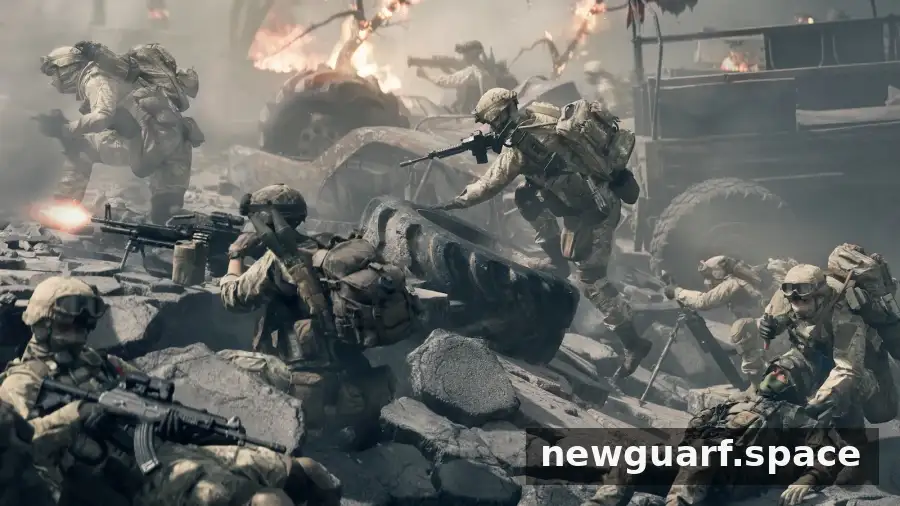
According to Sirland, the resulting debris is designed around soldier movement, so players can crawl beneath or use it rather than encounter unusable gaps. Rubble can also provide cover during a rescue. The new dragging system lets players pull a downed teammate to safety before attempting a revive, adding a risk-and-reward decision to an exposed firefight.
Practical tip: When a squadmate goes down, check nearby debris and cover before moving in. A safer route can give you more time to reach them and complete the revive.
Squad Deathmatch and Purpose-Built Combat Zones
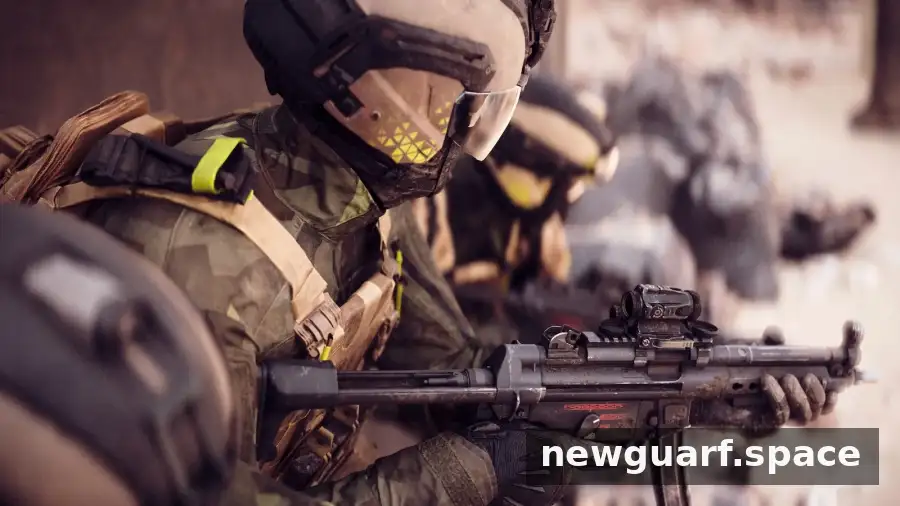
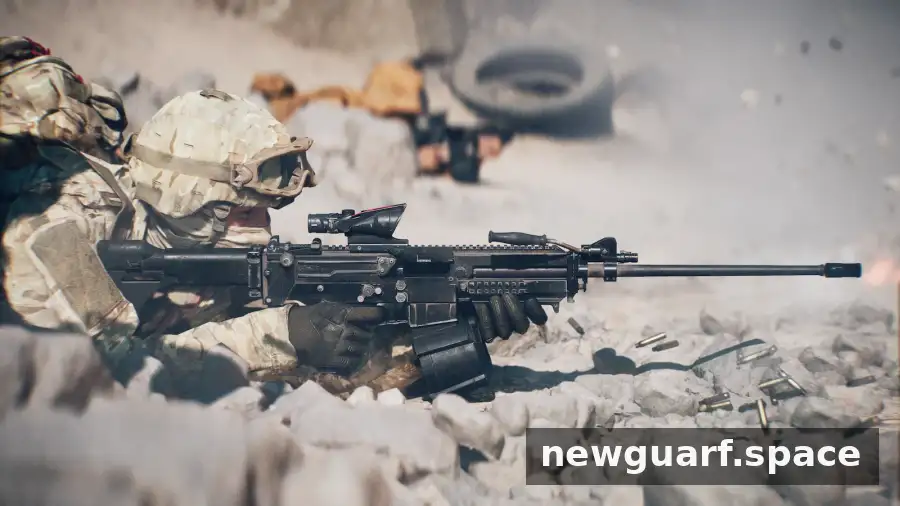
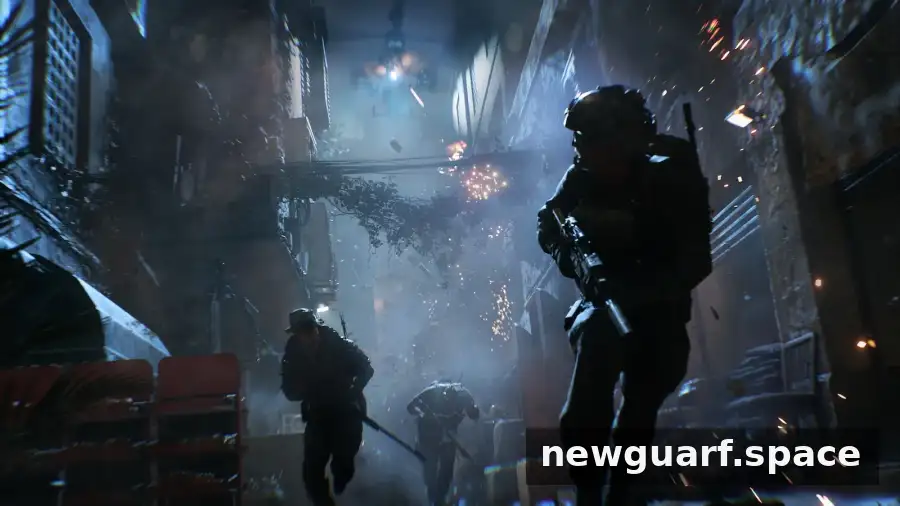
Battlefield 6’s Squad Deathmatch offers smaller, close-quarters fights, with four players on each team and no tanks or planes. With fewer teammates, each player’s contribution matters, and losing someone can quickly change the balance of a fight. The mode uses the series’ familiar team-based combat in a more compact setting.
Sirland said the developers have considered whether each map suits each mode, rather than placing every mode on every map. He contrasted this with earlier examples, including Team Deathmatch on a Conquest map in Battlefield 4, which he described as a basic approach. The team now designs Combat Zones with suitable lanes and engagement distances in mind.
For players, this means a map’s layout can better support the pace and distances a mode requires. In smaller matches, staying close to teammates and paying attention to sightlines can be especially useful.
Teamwork Keeps Battles Moving
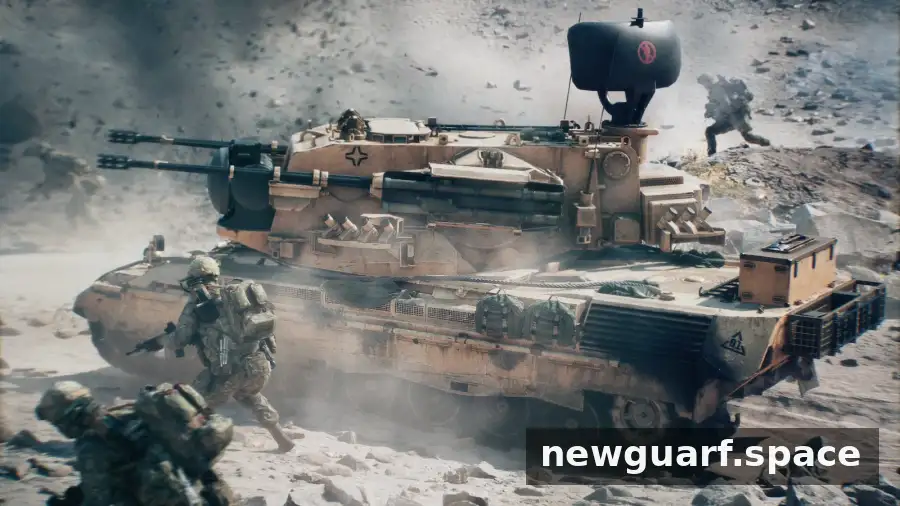
Squad coordination is essential across the modes described in the preview. Fighting away from the squad can leave a player vulnerable, while spotting enemies and supporting teammates can help the group respond more effectively. Calls for backup can also turn a difficult engagement into a coordinated push.
Overall, the hands-on session presented Battlefield 6 as a familiar but more carefully structured take on the series’ large battles. Destruction creates new cover, the dragging system gives revives added urgency, and smaller modes put extra emphasis on each squad member. Battlefield 6’s mix of cinematic combat and teamwork will be worth watching as more of the game is revealed.