 admin

Dragon Quest VII Reimagined offers a fresh visual take on a classic role-playing game, using a handcrafted, diorama-like style to introduce its world to new players and longtime fans alike. Revealed during a September Nintendo Direct, the remake is part of Square Enix’s continued effort to bring the Dragon Quest series to contemporary audiences. Its distinctive look draws on the original game’s colorful 2D designs while presenting its characters and settings in 3D.
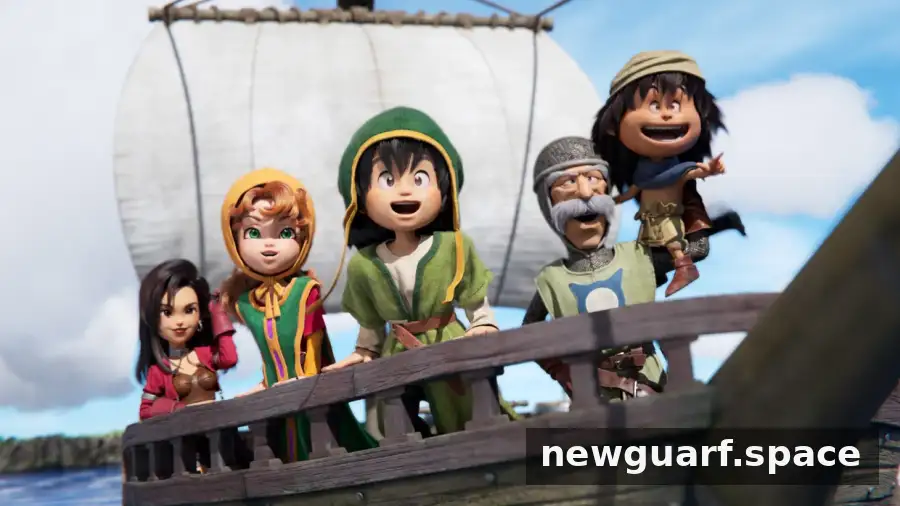
Dragon Quest VII Reimagined gives a classic a new look
The remake’s visual direction is one of its most notable features. Classic character designs by the late Akira Toriyama have been translated into small, chibi-style 3D figures inspired by real-life dolls. The result aims to preserve the charm of the original artwork while giving the characters a dimensional, crafted appearance.
The same approach extends beyond the cast. Towns, environments, and dungeons are presented in a matching handcrafted style, creating a consistent look across the game world. For players deciding whether this remake suits them, the key distinction is its presentation: it revisits a familiar 2D aesthetic through carefully styled 3D models rather than simply reproducing the original visuals.
How it fits into the Dragon Quest series
Dragon Quest VII Reimagined arrives amid several projects that have renewed attention on the long-running series. Dragon Quest XI: Echoes of an Elusive Age introduced a large audience to the franchise’s modern role-playing format, while Dragon Quest III HD-2D Remake and Dragon Quest I & II HD-2D Remake revisit earlier entries with updated presentation. Dragon Quest XII is also in development, although little information about that project has been shared.
These releases offer different ways to approach the series. Players who enjoy classic adventures can explore remakes of older games, while newcomers can choose an entry based on its setting, visual style, or availability. For Dragon Quest VII Reimagined, the announced art direction provides a clear starting point: expect a bright, welcoming interpretation that connects the original’s recognizable designs with a new 3D presentation.
What the visual approach means for players
A diorama-inspired style can make characters and locations feel like parts of a miniature world, while keeping the colorful tone associated with the original game. It also gives returning players an opportunity to notice familiar designs from a different perspective. Anyone comparing versions should look at the characters and environments together, since the remake applies its handcrafted aesthetic across both.
The announcement describes the remake’s presentation, but does not provide detailed information about every gameplay change. Players interested in how closely the experience follows the original should check for official updates before making assumptions about specific systems or content. Based on the details shared so far, Dragon Quest VII Reimagined pairs a classic adventure with a distinctive doll-inspired 3D look, making it a noteworthy option for series fans and curious newcomers.
Conclusion
Dragon Quest VII Reimagined stands out for translating Akira Toriyama’s classic 2D character designs into handcrafted 3D models and extending that style to its towns, dungeons, and environments. For anyone exploring the Dragon Quest series, its inviting presentation offers a new way to experience a familiar classic, while further official details can help clarify what else has changed.
