 admin
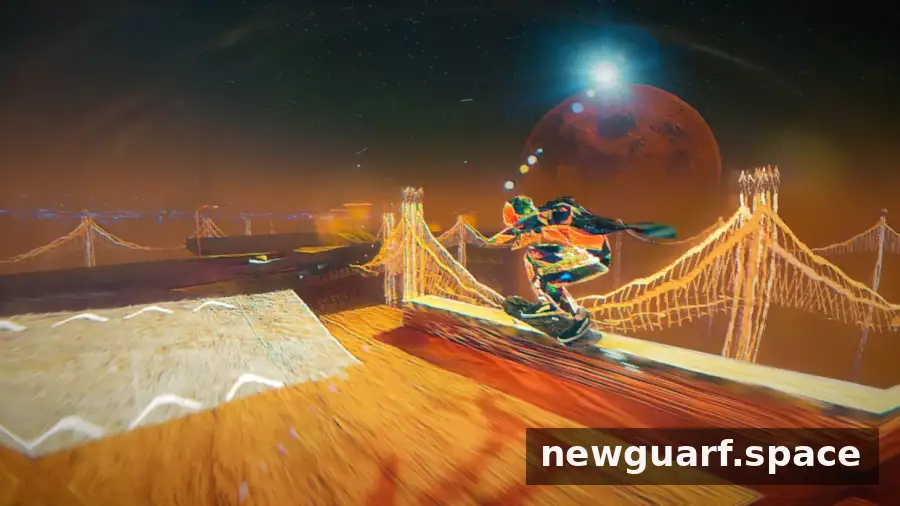
Skate Story turns a simple, strange desire into the basis for a surreal adventure: a demon wants to eat the moon. Created by Sam Eng, the game follows this glass-skinned character through Hell with a skateboard and a seemingly impossible goal. Its premise mixes mythic storytelling with an intentionally playful tone rather than relying on horror.
Skate Story’s unusual premise
The story begins when a demon decides the moon looks delicious. To regain his soul, he makes a deal with the devil and sets out to consume it. The bargain changes his body, turning his skin to glass, and gives him a skateboard. In this world, skateboarding is also treated as a serious transgression, making the board both a way to travel and a source of conflict within the setting.
The contrast between the everyday image of a skateboard and the otherworldly quest is central to the game’s identity. Rather than pausing to explain every detail of its unusual mythology, the story accepts its strange rules and moves forward. That direct approach helps the premise feel more like a fable than a conventional explanation-heavy fantasy.
A playful take on Hell
Eng says the game’s early direction was much darker, but he found that version less enjoyable. The project developed into a more whimsical interpretation of Hell, with a storybook-style narrator guiding the player. Absurd ideas are presented plainly, as if they belong naturally in this world.
This tonal choice may appeal to players who enjoy surreal settings but prefer not to have every scene built around fear or disturbing imagery. The setting is still Hell, yet the emphasis described by Eng is on fairy-tale atmosphere and odd worldbuilding. For players deciding whether the game’s tone suits them, that distinction is useful: its premise is unconventional, but it is not presented as a straightforward horror experience.
How Skate Story began
Eng started developing Skate Story about eight years before the interview described here. At that point, he did not consider himself either a skateboarder or a writer. The project therefore grew from an unusual starting point, with its creator developing both skills while working on a game centered on skating and a highly specific story.
After playing the first chapter, the interviewer spoke with Eng about how the project took shape. The available account highlights the evolution of its tone and premise, rather than providing a complete overview of every gameplay system. Readers interested in the game can use those details to understand its creative direction: the central draw is the combination of skateboarding, myth, and deliberately matter-of-fact absurdity.
What makes Skate Story distinctive
- A memorable objective: The hero’s goal is to eat the moon, giving the story an immediate and unusual hook.
- A striking character design: The demon’s glass skin is tied directly to the bargain that sets the quest in motion.
- A fable-like tone: A storybook narrator and whimsical version of Hell frame the strange events.
- A skateboard with meaning: The board is not only a tool for the journey; it is also described as one of the world’s major sins.
For anyone looking for a conventional skateboarding simulation or a traditional horror game, the information here does not establish that Skate Story fits either category. Its defining feature is a distinctive blend of skating and surreal narrative. Skate Story stands out for turning an absurd quest into a coherent fairy-tale world, while keeping its dark setting more whimsical than frightening.
