 admin
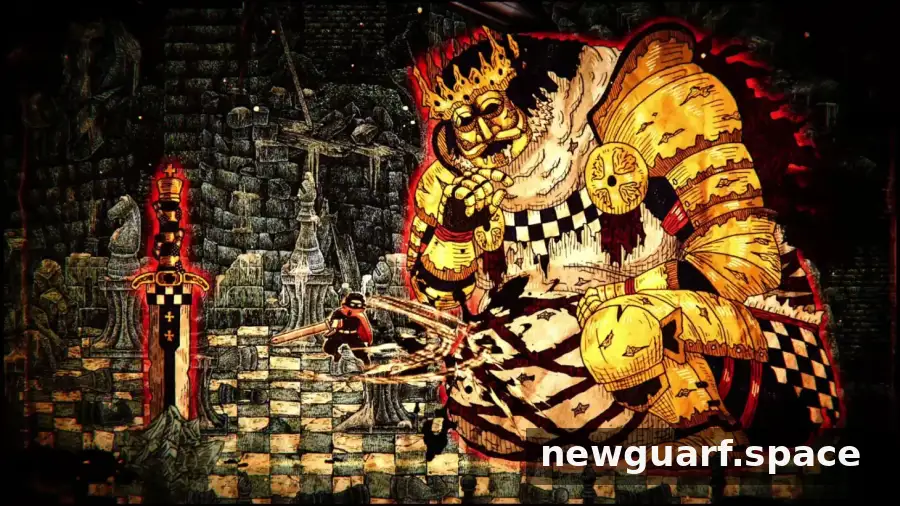
Chronoscript: The Endless End stands out for its hand-drawn art direction and unusual storybook premise. This Metroid-inspired action game follows an editor who must find a way out of a manuscript that has been written for centuries without reaching an ending. Its striking visual style and mysterious setting make the story a central part of the game’s appeal.
Chronoscript: The Endless End and its story
Although the game has a medieval appearance, its events are set in 2026, the year associated with its planned launch. Players take control of an unnamed editor who is sent to a manor hidden in the mountains. Soon after arriving, he is bitten by a mosquito and blacks out. When he wakes, he is no longer simply visiting the manor: he is trapped inside the old manuscript written by its master.
The manuscript is unlike a typical finished book. It has continued to grow for centuries, with no conclusion in sight. Escaping means making a journey through a labyrinthine world formed from pages stitched together across stacks of books. The editor must find—or create—a conclusion to the story in order to move toward an end.
A hand-drawn world built around the book
The visual direction is one of the game’s most immediately noticeable features. Its artwork gives the setting a distinctive storybook quality, while the contrast between the old manor and the manuscript’s vast, assembled landscape supports the central idea of being lost inside a written work. For players considering the game, the art style and the unusual premise offer useful starting points for deciding whether its world is appealing.
The game is described as Metroid-inspired, placing it within the broad tradition of action games built around exploring an interconnected setting. However, the available details focus on the manuscript’s maze-like world and the search for an ending; they do not specify particular abilities, combat systems, map features, or progression mechanics. Those details should be confirmed in later announcements rather than assumed from the genre description.
What makes the premise distinctive?
Chronoscript connects its setting directly to its central challenge: the protagonist is not only exploring a strange place, but also trying to bring an unfinished story to a close. The editor’s role gives the search for a conclusion an especially fitting context, while the pages and books provide a clear visual foundation for the world. These elements distinguish the premise from a conventional journey through a medieval landscape.
For now, the clearest points to consider are the hand-drawn presentation, the editor’s sudden entrapment, and the manuscript’s centuries-long lack of an ending. Chronoscript: The Endless End brings those ideas together in a story about navigating a book that has no final page—until its protagonist can find or create one.
