 admin

Beastro combines cozy village activities, restaurant management, and roguelike deckbuilding in a fantasy adventure centered on food. In the preview, players step into the role of Panko, a sous chef whose cooking helps a band of heroes prepare for dangerous expeditions. Its mix of relaxed routines and strategic battles gives the game two distinct sides to explore.
What Is Beastro About?
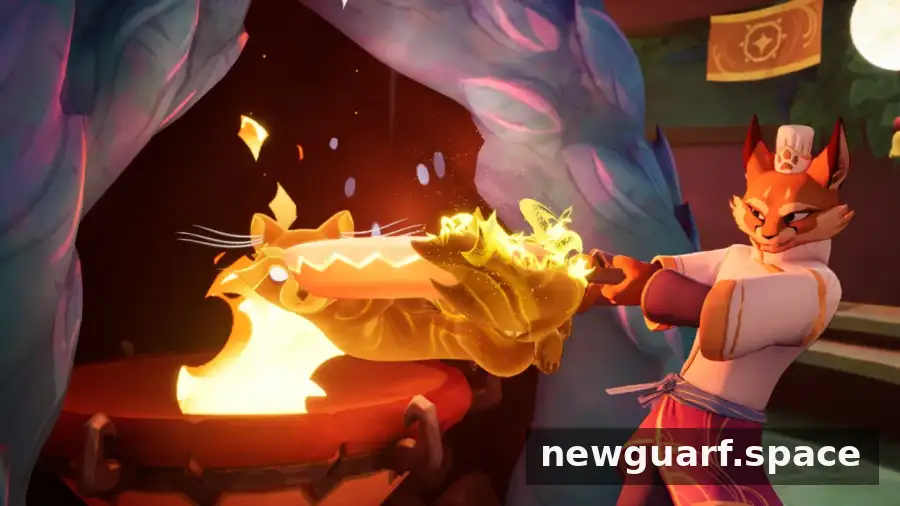
Panko lives in Palo Pori, an artisan village protected by a wall from monsters roaming the surrounding wilds. When Panko’s teacher disappears, a guardian spirit named Flambe—a raccoon-like living flame—joins the search. Rather than setting out to fight directly, Panko supports the heroes known as Caretakers by running a restaurant and preparing meals for their journeys.
This setup gives cooking a practical role in the story: the food Panko serves can shape the cards and abilities Caretakers use in combat. For players, that means the restaurant is more than a break between adventures; it is part of how the team gets ready for what lies beyond the village.
How a Day in Beastro Works
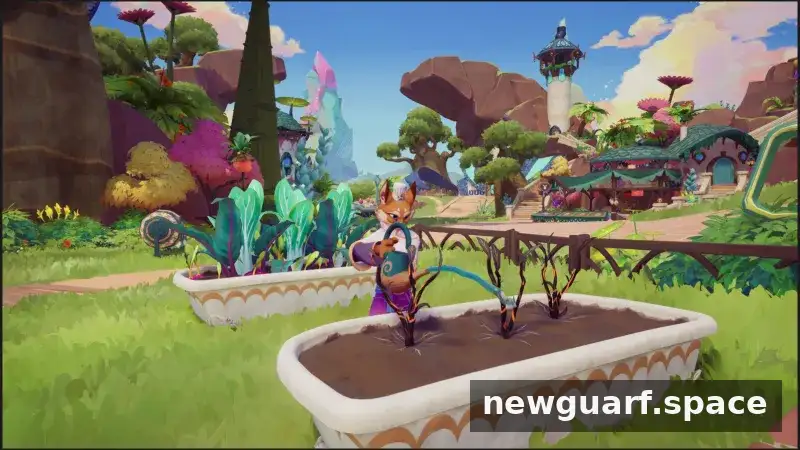
Each in-game day is divided into three segments. The morning is devoted to gathering ingredients and tending to everyday tasks around Palo Pori. Players can collect grubs for chicken-like birds, fish by the pier, and look after garden crops. These calm activities offer a slower start before the restaurant opens.
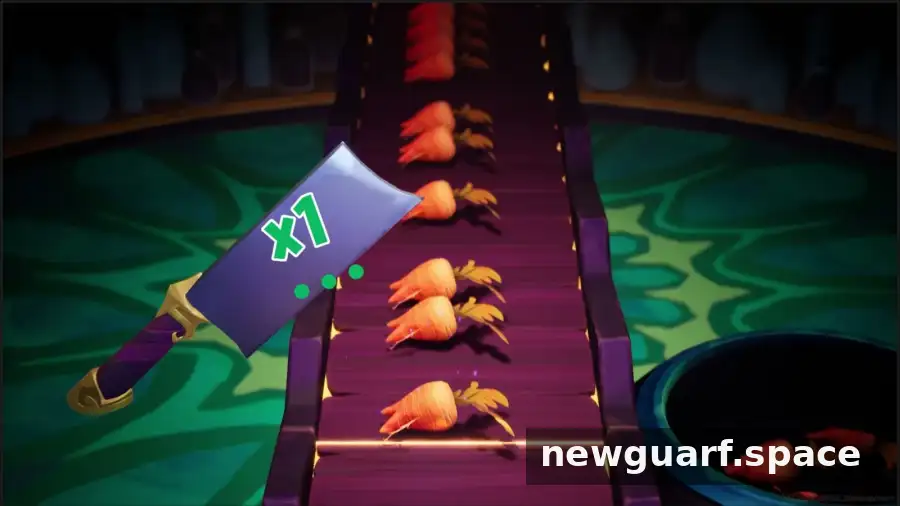
At the restaurant, players choose a menu based on the ingredients they have collected and prepare dishes through short, timing-focused mini-games. Chopping vegetables calls for quick reactions, while sautéing involves moving the pan to keep food away from harmful bubbles. Boiling turns ingredient placement into a kind of aiming challenge, with highlighted pots offering a higher score. Dishes also need to reach waiting customers promptly, so keeping an eye on service matters.
Practical tip: gathering a varied selection of ingredients gives more flexibility when setting the menu and preparing a meal for a Caretaker with a specific craving.
Building Caretaker Decks Through Cooking
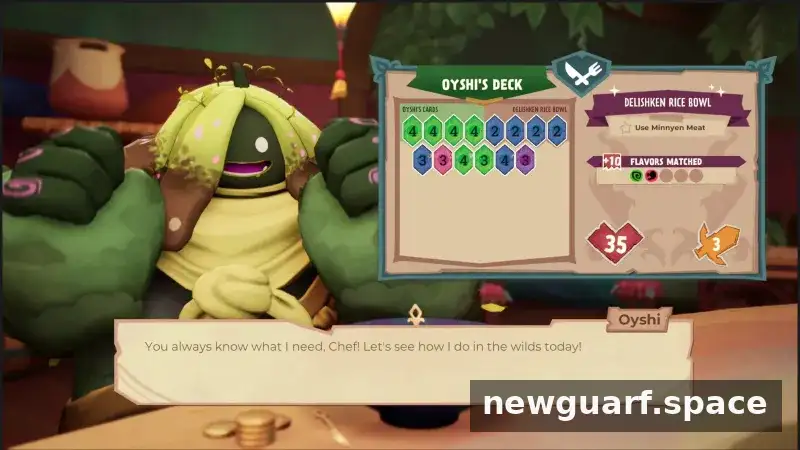
During dinner service, a Caretaker arrives with a reservation and a particular appetite. In the preview, Oyshi asks for a dish that caters to his preference for eggs. Feeding Caretakers helps build the decks they take into expeditions, connecting recipe choices to the game’s card-based combat.
To create a dish, players arrange Tetris-shaped ingredients on a grid. Each ingredient contributes one of five flavor profiles: Umami, Salty, Sour, Bitter, or Sweet. Ingredients also have different flavor weights, affecting how strongly they influence the final profile. The aim is to make a meal that matches a Caretaker’s preferences and avoids their dislikes.
A good match can grant health and attack boosts and strengthen the bond with that character. The resulting deck includes cards and abilities gained through eating. Although the system may seem intricate at first, seeing how those cards work during an expedition helps clarify why recipe choices matter.
Flavor-Based Roguelike Combat
After the restaurant closes, the day moves into its evening segment. Panko visits a Caretaker, who recounts an expedition through a playful puppet show. From there, the adventure follows branching routes with combat encounters and other stops along the way.
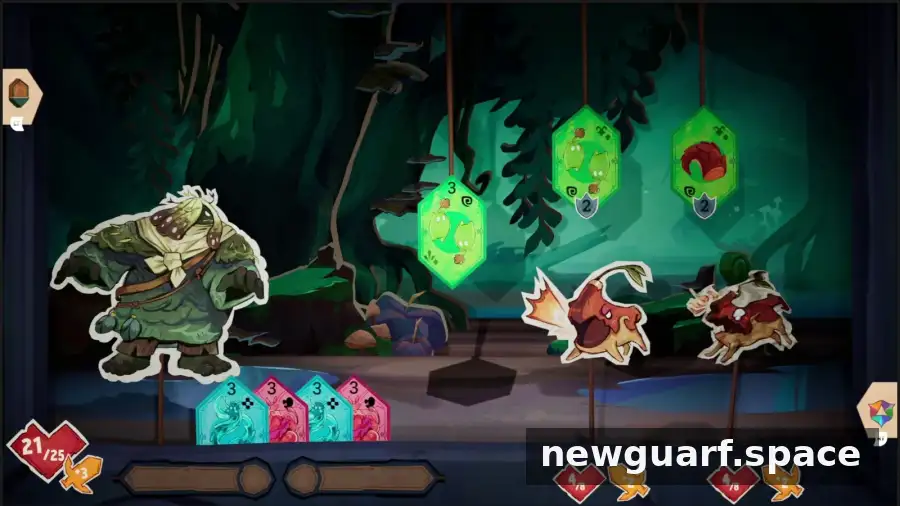
In turn-based battles, monsters play cards with a flavor color and a number value. To win a round, players need to use a card with the same flavor and a higher value. For example, a green Umami card can defeat an opposing green card if its number is greater. Winning reduces the loser’s health according to the player’s attack power, a separate stat that can be improved by meals. In the preview, Oyshi’s dish provides three additional attack power.
Flavor relationships add another layer. Some cards can weaken opposing flavors, while others strengthen cards that work well together. A color-wheel-style guide helps explain which flavors balance or enhance one another. When the needed card is not in hand, players can discard the whole hand and draw five cards, or draw only enough to refill empty spaces up to five. Playing an ineffective card, however, leaves the player open to the enemy’s full attack.
Tip: check the flavor chart before choosing a card, especially when the hand does not contain an obvious match. Using a balancing flavor or refreshing the hand can be safer than playing a card that fails to counter the opponent.

Early Impressions and What to Watch For
The combat rules take time to absorb, but the preview’s branching journey offers room to learn them through play. The battles may be the less immediately appealing part of the experience for players drawn mainly to its cozy activities. Gathering ingredients, helping villagers, and operating the restaurant provide a more relaxed counterpoint.
The overall daily loop will be important to the game’s long-term appeal. Its activities will need to stay varied as players move between ingredient gathering, cooking, and expeditions. Beastro is planned for release in 2026, and a demo was available at the time of the preview.
Conclusion: Is Beastro Worth Following?
Beastro brings cooking and deckbuilding together through a clear connection: the meals Panko prepares help Caretakers build their combat decks. Its village routines and restaurant mini-games offer a warm, low-pressure pace, while flavor-based battles add a more demanding strategic element. Beastro’s appeal will depend on how well these parts develop into a satisfying daily rhythm, but its blend of cooking, character support, and roguelike exploration gives it a distinctive foundation.
