 admin

Starfinder: Afterlight is a video game adaptation of Paizo’s science-fiction tabletop game, developed by Epictellers. The project reflects the interests of studio co-founders Ricard Pillosu and Albert Jane, who left careers at larger game companies to create the kind of role-playing experience they were passionate about. Their background and the game’s sci-fi setting help explain the creative direction behind the project.
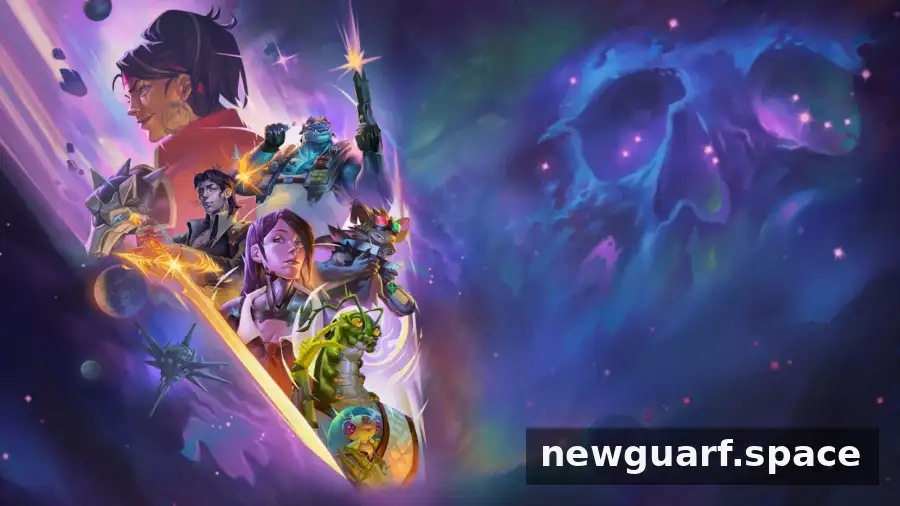
Starfinder: Afterlight and Epictellers’ creative vision
Before founding Epictellers, Pillosu and Jane worked as AAA developers at other studios, including Crytek, known for developing Crysis. Pillosu describes the appeal of working at a large company while also pointing to the difficulty of completing a game that closely matches a developer’s personal interests. Although he enjoyed working on Crysis and likes shooters, he says his strongest interest is in computer role-playing games, or CRPGs, and role-playing games more broadly.
That distinction matters because a CRPG is generally built around choices, character development and a story-driven experience. These elements can give players a strong sense of agency, although the exact mechanics and features of Starfinder: Afterlight should be judged on the details the developers have officially shared. For readers following the project, it is useful to separate the studio’s stated creative goals from features that have not yet been confirmed.
Adapting a tabletop science-fiction setting
Starfinder: Afterlight takes its setting from Paizo’s tabletop game. Turning a tabletop world into a video game is a creative challenge: the adaptation needs to make the setting accessible to newcomers while retaining the qualities that existing fans value. It also needs to translate a format designed for group play into an interactive digital experience.
The sci-fi foundation gives the project a distinct context within a CRPG genre that has attracted growing attention in recent years. The success of Baldur’s Gate 3 has contributed to that wider interest, but Starfinder: Afterlight is based on a different tabletop property. Comparing games can help readers understand the genre, but it does not establish that they share the same story, rules or gameplay systems.
What players can take from the studio’s background
Epictellers was founded by developers who wanted to focus on a type of game they personally care about. That motivation offers context for the project, but it is not a substitute for confirmed information about its content. When assessing Starfinder: Afterlight, players can look for official updates about its adaptation of the tabletop setting, its role-playing systems and the scope of its story.
For now, the clearest picture is the one provided by the developers’ stated interests and the project’s source material: a CRPG adaptation of Paizo’s science-fiction tabletop game, made by a studio formed by experienced developers. Starfinder: Afterlight’s appeal will ultimately depend on how effectively it brings that setting and the team’s RPG ambitions together.
