admin

In the strongest roguelites, players gradually learn to read a world that initially feels unfamiliar. Movement, enemy attacks, and on-screen cues begin as a confusing rush, then become part of a rhythm that makes each run feel more deliberate. In a three-hour hands-on session, Saros introduces that learning curve through Arjun, a determined explorer trying to find a woman calling to him from the hostile planet of Carcosa.
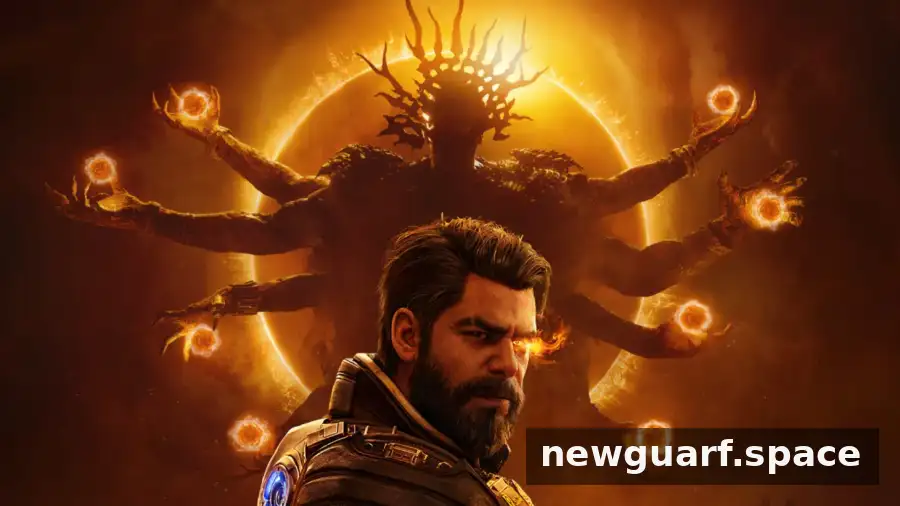
Saros turns survival into a bullet ballet
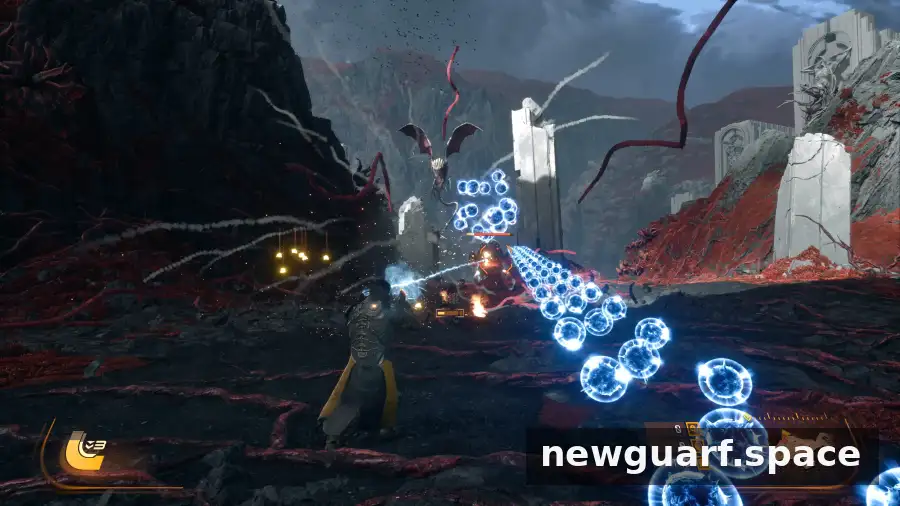
Arjun awakens on an ancient yet technologically advanced world, carrying an amulet marked with an unfamiliar sun. He takes up a pistol and heads toward the voice. As he tries to understand his surroundings and the machines attacking him, the player is learning the same basic language of survival: how to move, when to attack, and how to respond to incoming fire.
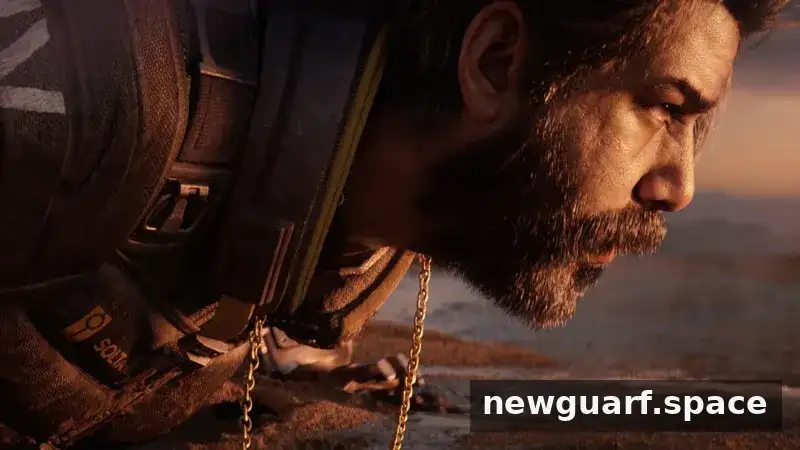
Rahul Kohli gives Arjun a convincing mix of uncertainty and resolve. That performance helps distinguish his journey from the action itself. The combat may feel familiar to players of Returnal, but Saros shifts the balance between evasion and aggression. Rather than simply avoiding streams of projectiles, Arjun can use them to his advantage.
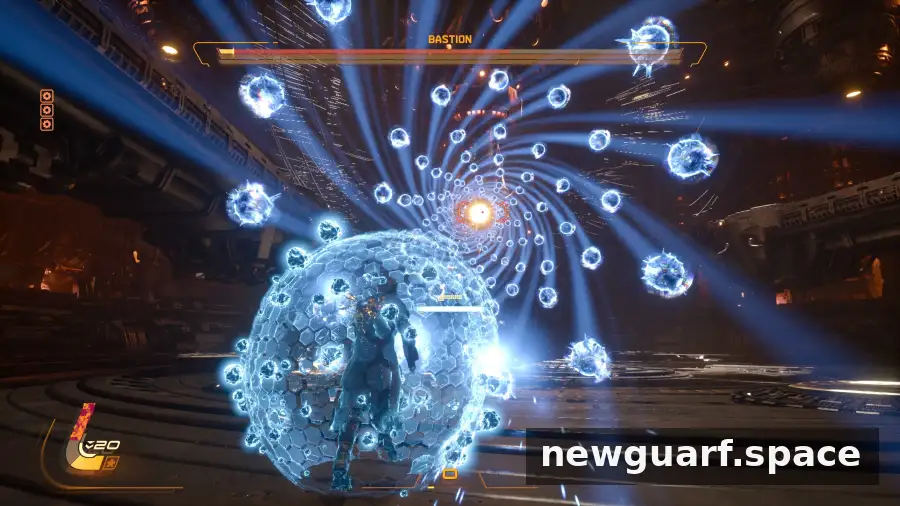
His shield is central to that change. It blocks incoming damage and absorbs energy, converting it into Power that can fuel devastating attacks. Arjun can jump, leap farther, dash, and cover more ground with an extended dash. Together, these moves create a more assertive style than the constant defensive pressure associated with Returnal. Housemarque describes the action as a “bullet ballet” rather than a “bullet hell,” and the shield makes that distinction tangible: some projectiles become opportunities instead of threats.
Combat, progression, and quality-of-life changes
During the session, learning to use the shield changed how combat felt. Blue orbs and orange lasers became useful sources of energy, encouraging a player to move into danger with a plan. After a few failed attempts, that confidence helped carry Arjun through a fight with Bastion, a massive mechanical hive-mind encountered in the second biome. The surrounding area is a sprawling maze of pipes, wires, and metal, giving the encounter a fittingly imposing setting.
Saros also adds several features that make runs easier to manage and progression easier to follow:
- Run suspension: Players can pause a run and return to it later, which is useful when a session needs to be interrupted.
- Clearer upgrades: Lucenite collected on Carcosa can be spent on upgrades, making progress between runs more visible.
- Shortcuts and teleportation: These options help players reach unlocked areas more directly.
- A wider cast: Other characters bring additional warmth and perspective to an otherwise strange setting.
These systems address common friction points in roguelites without removing the need to learn enemy patterns or improve in combat. Players who enjoy long, uninterrupted runs may prefer a more demanding route, but the ability to suspend a run and use shortcuts offers practical flexibility.
What to expect from Saros
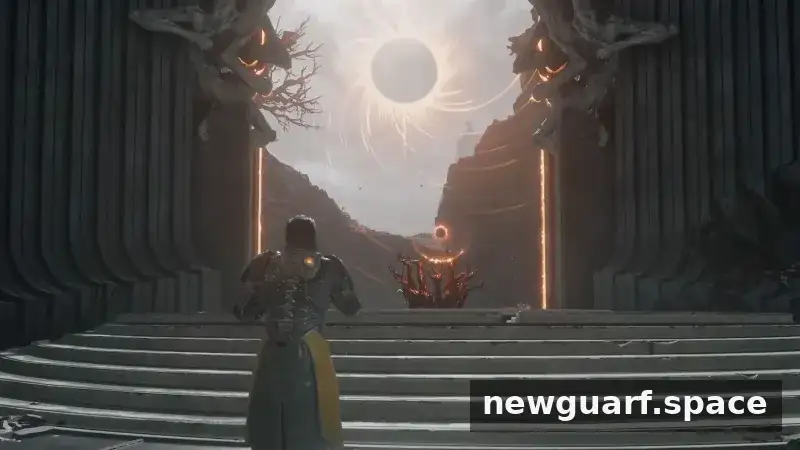
The hands-on session suggests that Saros builds on familiar projectile-based action while giving its protagonist a more proactive toolset. Arjun’s shield, the clearer between-run upgrades, and the option to move quickly through unlocked areas all contribute to a distinct pace. The story’s central mystery remains open: Arjun wants to find the woman calling to him, and the short preview does not reveal what awaits at the journey’s end.
Saros is scheduled to launch exclusively on PlayStation 5 on April 30. For players drawn to fast action, learnable combat patterns, and roguelite progression, Saros offers a promising variation on the studio’s established formula. The best reason to watch its development is the way its bullet-ballet combat encourages players to turn danger into momentum.