admin

The Blood of Dawnwalker is a dark action RPG built around consequential choices, a changing day-and-night cycle, and a story that responds to player decisions. Developed by Rebel Wolves, a studio founded in 2022 by veterans of major role-playing game projects, it follows Coen, a young man whose unusual condition gives him different abilities by day and by night.
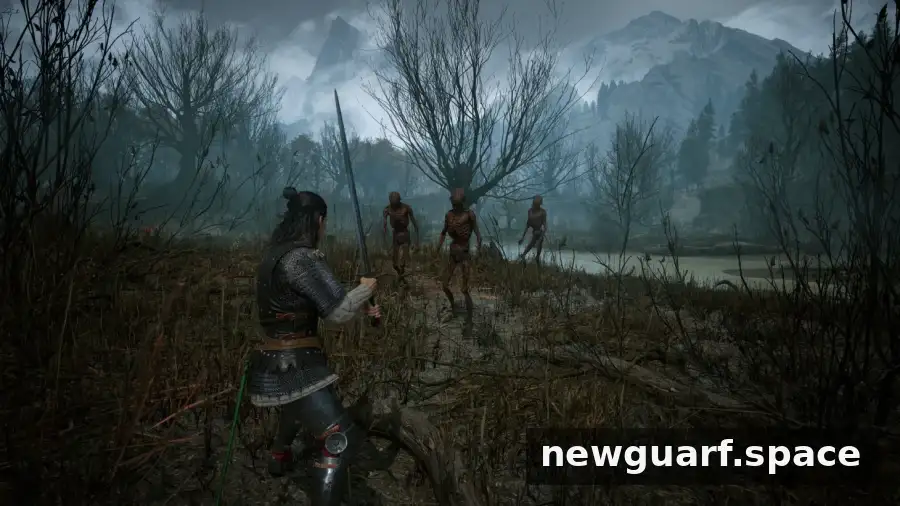
What makes The Blood of Dawnwalker a choice-driven RPG?
The story begins in 1347 in Vale Sangora, a Carpathian mountain valley. Coen and his younger sister, Lunka, are fleeing soldiers during a plague outbreak. When the soldiers attack Lunka, vampires arrive and save her by giving her their blood. The event leaves Coen with a personal reason to confront the world’s supernatural forces.
Choices start early and aren’t limited to dialogue. A task to gather herbs for Coen’s mother may seem like a required objective, but players can leave it unfinished and pursue other leads. In one example, Coen can help a man searching for his missing brother or look for an escaped prize pig, while a woman asking for help may be left waiting.
Practical takeaway: Treat side quests as time-sensitive opportunities. If a task seems urgent, delaying it may change who survives or whether the quest remains available.
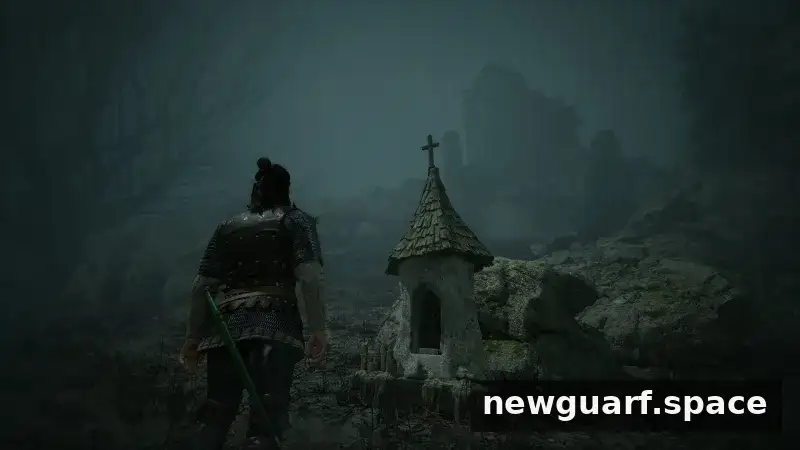
Time limits make each decision matter
Actions, dialogue choices, and quests can use up segments of the day. There are eight time segments during daylight and eight at night, and the story unfolds over 30 24-hour periods. That structure means it may not be possible to complete every activity in one playthrough.
Timing can affect quest outcomes. For example, finding a missing brother early may mean reaching him while he is still alive in a cave. Waiting too long can result in his death from his injuries. Ignoring another character’s plea for help may also have consequences that appear later in the story.
Rebel Wolves director Konrad Tomaszkiewicz has said that team members’ playthroughs have ranged from about 50 to 70 hours. The time needed depends on factors such as difficulty, exploration, and how much players choose to upgrade their equipment.

Day and night change how Coen plays
Coen is known as a Dawnwalker because the silver dust in his blood, linked to his childhood spent mining the metal, prevents him from becoming a full vampire. He remains human during the day and takes on vampiric traits at night. This shift can affect available quests and offer different ways to approach encounters.
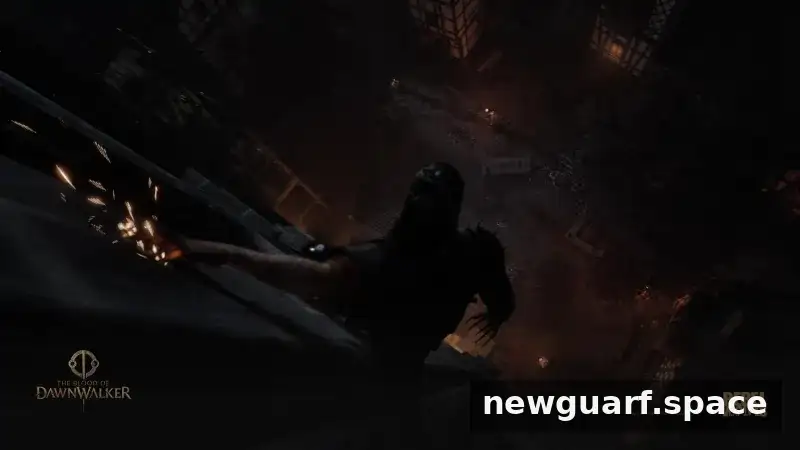
As a vampire, Coen can fight with claws and fangs instead of a sword, and feeding on enemies can restore health. His supernatural abilities also let him cross large gaps, climb walls, and descend steep cliffs. These powers can open up alternative routes or approaches, so consider how the time of day might suit the task ahead.

Combat balances reactions with stamina
The combat system uses directional attacks, asking players to respond to where an incoming strike is coming from as well as when it arrives. Players can also parry attacks from any direction, but those parries consume more stamina. Watching enemy movements and managing stamina are therefore important parts of staying effective in a fight.
Coen’s vampiric form offers powerful options, but it also comes with a serious risk. He must satisfy his thirst for blood; if his cravings become too strong, he can lose control and attack the first non-player character he encounters. That character could be incidental—or someone important to a questline. Since the story can adapt to these events, an uncontrolled attack may close off parts of the experience.
A flexible story with lasting consequences
The preview’s closing sequence introduces Brencis, the central antagonist. His attempt to feed on Coen fails when the silver in Coen’s blood burns his mouth. Brencis then pins Coen to a wall with an axe and takes what remains of his family, giving the 30-day story a clear personal objective.
The game’s open structure is designed to let players decide which leads to follow and how to use Coen’s changing abilities. That freedom also means choices can carry costs: time spent on one task may rule out another, and losing control of Coen’s hunger could affect future events. Keeping track of priorities and paying attention to the day-night cycle can help players make more informed decisions.
What to expect from The Blood of Dawnwalker
The Blood of Dawnwalker combines a plague-era setting, supernatural combat, and a quest structure where time and player choices can reshape events. Its day-and-night systems give Coen distinct strengths, while the consequences attached to missed quests and blood cravings make careful planning part of the role-playing experience. For players interested in choice-driven RPGs, the key appeal is the possibility that different decisions can lead to meaningfully different outcomes.