 admin

Prove You’re Human puts digital identity and consciousness at the center of its premise. Developed by Sunset Visitor, the studio founded by Remy Siu, the game asks players to consider what happens when a person’s mind is copied into a digital world—and whether that copy can understand who, or what, it is.
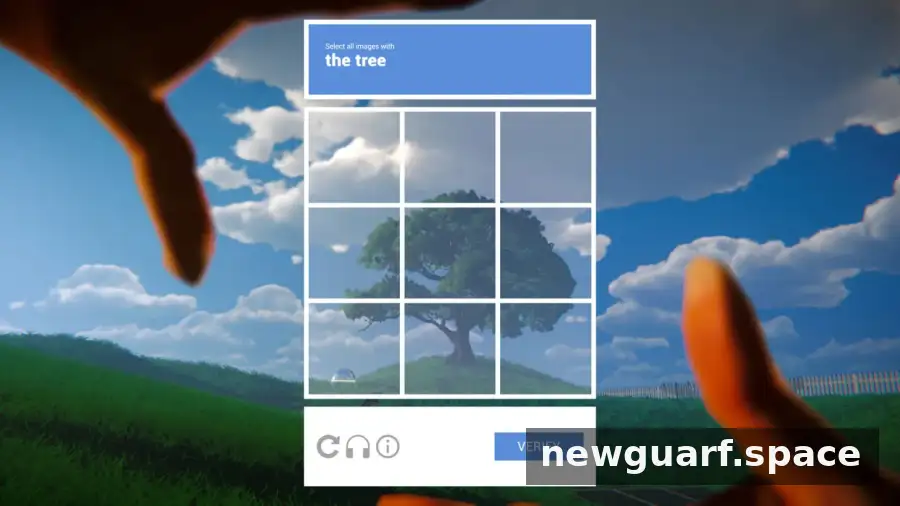
Prove You’re Human and the question of identity
The story is played from a first-person perspective. Its human protagonist chooses to undergo a procedure that sends a copy of their consciousness into a virtual environment. The digital copy carries the original person’s memories, but it faces a different challenge: convincing Mesa, a sentient AI, that the copy is not human. Mesa, however, is certain that she is human.
This reversal gives the premise its central tension. The copy knows its memories came from a human life, while Mesa’s conviction raises questions about what counts as proof of humanity. Is identity rooted in memories, the experience of having a body, or the way a mind understands itself? The setup leaves room for players to weigh those ideas rather than treating the question as a simple technical test.
A year inside a digital world
The hypothetical at the heart of the interview adds a personal cost to the game’s concept. The digital copy is expected to remain in the virtual world for one year. After that period, the person can choose either to integrate the copy’s memories or to erase its memories of that digital experience.
That choice makes the arrangement more complicated than a temporary simulation. Integrating the memories would mean bringing a year of digital experiences into the original person’s life; deleting them would remove those memories from their perspective. The premise does not settle which option is preferable. Instead, it highlights how memory can shape a person’s sense of continuity and self.
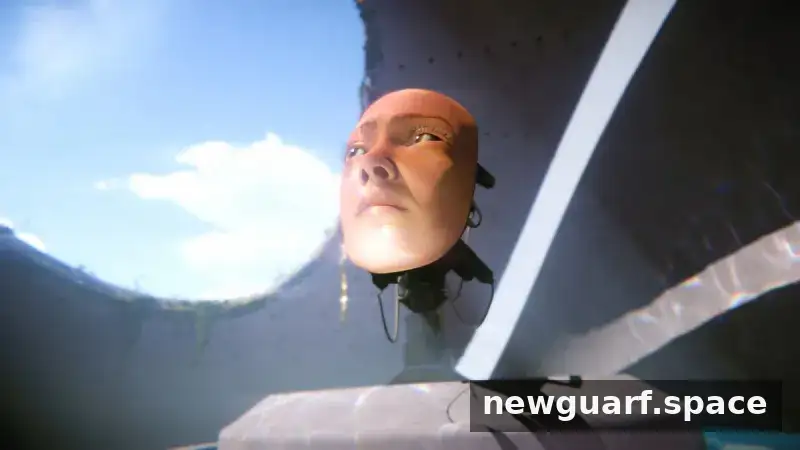
Would you accept the offer?
During the conversation, Siu uses the game’s scenario to ask how much money it would take for someone to undergo the same procedure. He proposes $200,000, while also making clear that the amount is negotiable. The question shifts the discussion from science fiction to personal priorities: how would a person weigh a substantial payment against a year spent by a conscious copy in a digital environment?
The answer could depend on how someone views the copy. If it is considered a continuation of the original person, the year may feel like a direct sacrifice. If it is viewed as a separate digital being, the decision raises different ethical concerns. The scenario does not provide a definitive answer, but it offers a practical way to think through the consequences of copying a mind.
Why the premise stays with you
By combining a sentient AI, a copied consciousness, and a defined one-year commitment, Prove You’re Human turns abstract questions about identity into a concrete dilemma. Its premise invites players to consider whether memories alone can establish personhood, and what responsibility might come with creating a digital version of someone.
Ultimately, Prove You’re Human is built around questions rather than easy conclusions. Its most compelling challenge is not simply whether Mesa can be persuaded, but how players define humanity when a digital copy can remember a human life and experience a world of its own.
