admin
Blood Message Makes Familiar Action Feel Cinematic
Blood Message is the first AAA single-player game from developer 24 Entertainment. Its early demo combines high-production visuals, a family-focused story, and linear action sequences with a particular strength: realistic, hard-hitting combat. The result feels familiar to fans of cinematic action games, but the weight and detail of its sword fights give the experience a distinct impact.
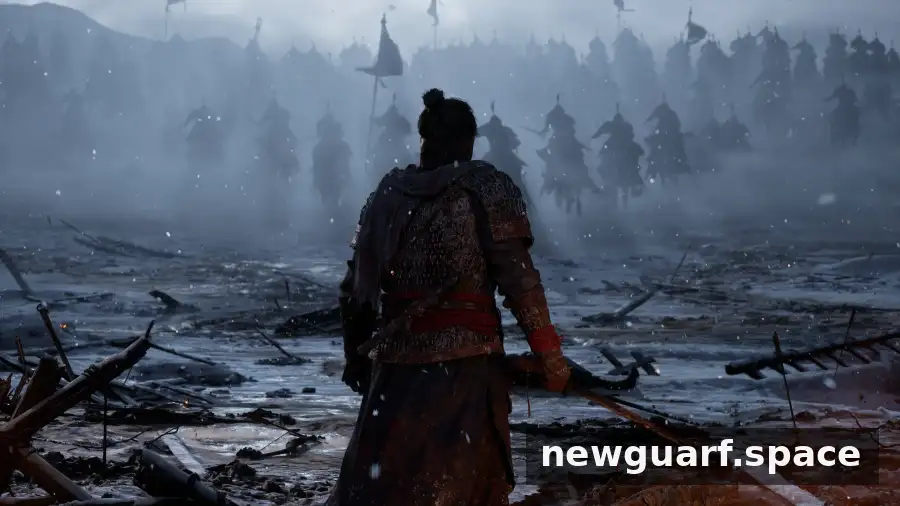
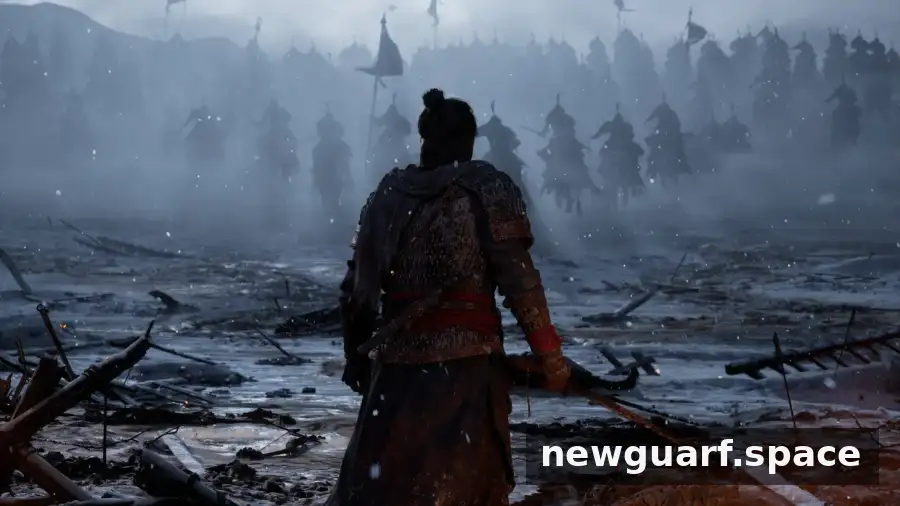
Set in 848 AD during China’s late Tang Dynasty, the game follows an unnamed soldier and messenger caught in a major conflict. He must travel 1,000 miles to Chang’an with his young son, facing enemy forces, harsh terrain, and the elements along the way. This historical setting gives the journey a clear sense of danger, while the father-and-son relationship provides its emotional focus.
Blood Message’s Story and Presentation
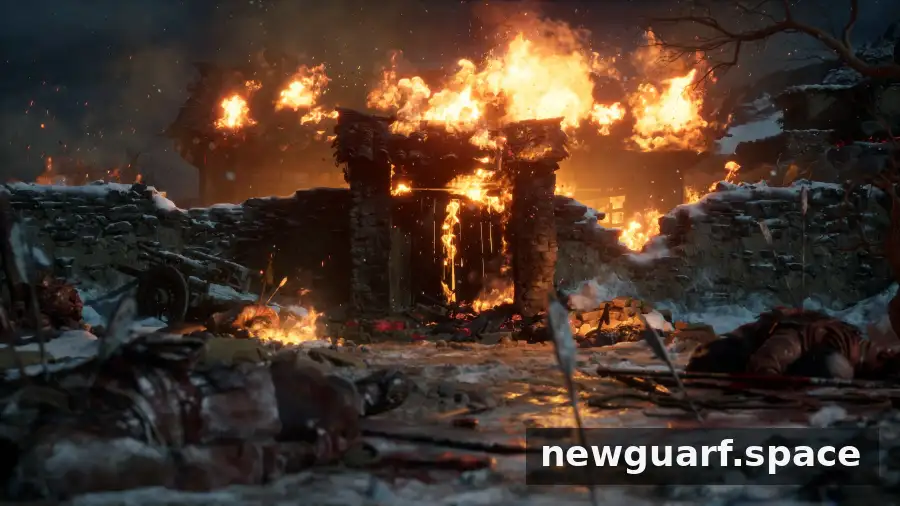
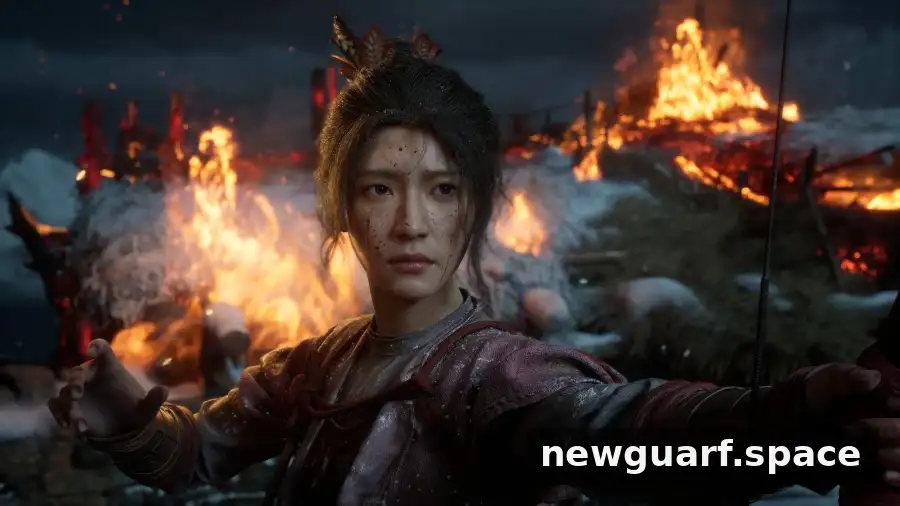
The demo begins as the messenger and his brother race home while their city comes under attack. The protagonist’s immediate goal is to reach his son and keep him safe. Although the playable section offers only limited story information, its visual presentation does much to establish the urgency of the situation.
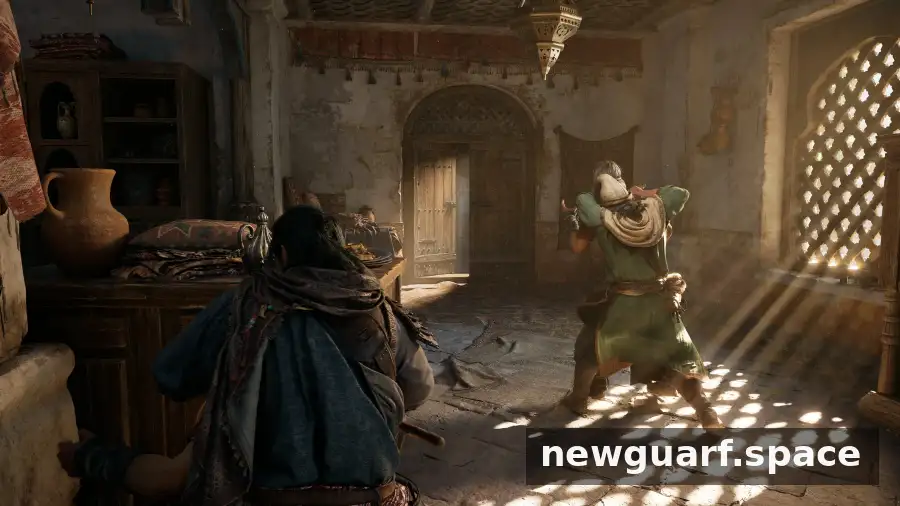
The camera appears to follow the action without noticeable cuts during the demo, creating a continuous, film-like feel. The player moves through narrow streets, partly abandoned homes, and rooftops, clearing obstacles and squeezing through tight openings. These familiar set pieces are presented with polished visuals and dramatic staging.
Practical takeaway: Players who enjoy story-led action games should expect a guided, linear experience in this early section rather than an open-ended exploration format.
Grounded Sword Combat Is the Standout
Blood Message uses a recognizable combat structure: light and heavy attacks, blocking, parrying, and button prompts to escape enemy grapples. The controls place attacks on the right shoulder triggers and defense on the left bumper. While the layout may feel familiar to players of other action games, the demo does not play like a Souls game, and its encounters did not feel especially difficult.
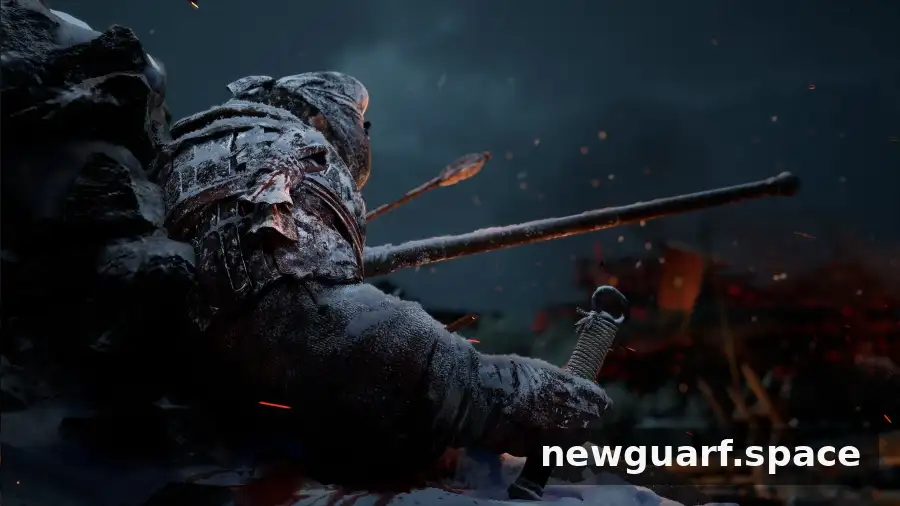
The distinction comes from the animation and impact. Fights are close, brutal, and grounded rather than focused on flashy, elaborate moves. Light attacks can be chained together, while heavy attacks help break the guard of shield-bearing enemies. Parrying an opponent’s strike creates a sharp clash of blades, and certain moments lead into scripted finishing moves.
Combat tip: Use heavy attacks against shielded opponents, then look for opportunities to parry their response. Mixing the available attack types makes encounters more engaging than relying on a single move.
Stealth and High-Speed Chase Sequences
Some sections allow the protagonist to approach enemies quietly. Players can crouch behind cover, sneak close, and perform a silent takedown. In some encounters, his brother joins him in a coordinated ambush. The stealth mechanics shown in the demo are straightforward, so they serve mainly as an alternative way to handle selected groups of enemies.
The demo also includes a dramatic chase through narrow streets. After being spotted, the protagonist runs past collapsing structures, flying arrows, and scripted obstacles before making a desperate leap. The sequence is familiar in structure, but its pacing and presentation make it an entertaining change of pace from combat.
What the Demo Suggests About Blood Message
This early look suggests that Blood Message is building on established AAA action-adventure conventions rather than trying to reinvent the genre. Its linear traversal, stealth sections, and set-piece chase are recognizable, while the strong visual presentation and satisfying sword combat help them feel compelling.
The demo leaves important questions unanswered, particularly about how the full story develops and whether its narrative can match the quality of its presentation. No release date for the complete game is provided in the available information. For now, Blood Message looks like a promising choice for players who want cinematic storytelling, accessible combat, and a historical adventure built around a father and his son.