 admin
Stranger Than Heaven follows Makoto Daito through different periods and cities in Japan, combining a historical crime story with a distinctive, deliberate combat system. Developed by RGG Studios, the game shares a world with the Like a Dragon series, but its setting and fighting style give it a separate identity. Its story also traces the origins of the Tojo Clan, a group that becomes significant in the broader franchise.
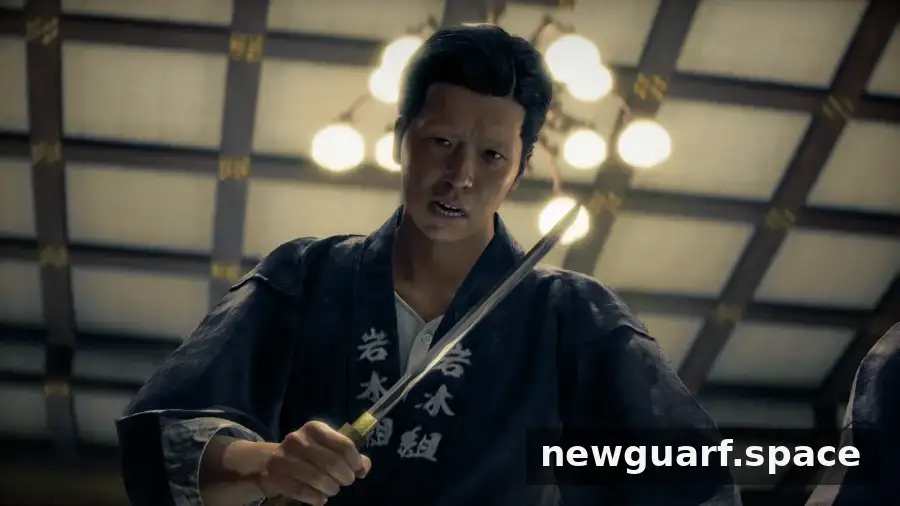
Stranger Than Heaven’s story and historical settings
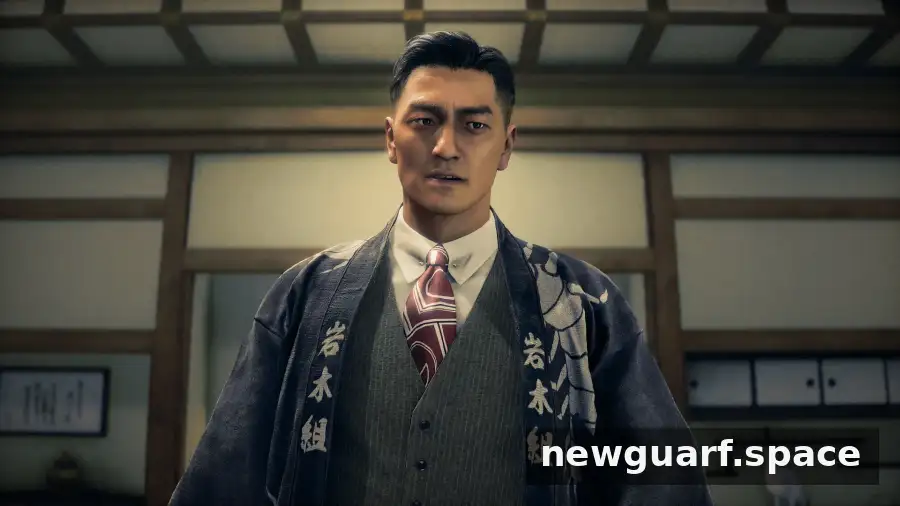
Makoto arrives in Japan in 1915 aboard a smuggler ship, landing in Kokura, Fukuoka. The city is known as a major metalworking hub, but it is also home to criminal activity. As Makoto builds a life in Japan, the story moves through different locations and decades, eventually reaching Tokyo in the 1960s.
This journey connects the game to the later history of the Like a Dragon universe through the founding of the Tojo Clan. However, the connection does not mean the game relies on frequent references to earlier titles. Its focus is on Makoto’s own story and the places and eras that shape it.
Practical note: The changing settings are an important part of the premise, so pay attention to how each location and time period contributes to Makoto’s progression.
A more deliberate approach to combat
Stranger Than Heaven uses a control scheme built around individual limbs. The left and right shoulder buttons control Makoto’s corresponding arms, while the triggers control his legs. Players can also dodge and block in specific directions to create openings for counterattacks. Pressing both triggers allows Makoto to grab or tackle an opponent.
The controls may seem demanding at first, but the fights are designed to reward learning their timing. Early encounters include an unarmed battle against a group of men in Kokura in 1915. Later fights take place in Kure in 1929 and Osaka in 1943, where Makoto uses weapons.
A large crowbar can help manage groups, while a later one-on-one knife fight calls for more patience. Against a swordsman in Osaka, mistimed attacks can cost Makoto most of his health. Parrying carefully is essential, making the encounter a sharp contrast to battles where forceful attacks are enough.
Combat tip: When facing a dangerous single opponent, focus on defensive timing and look for counterattack opportunities instead of rushing in.
Combat shaped around the story
RGG Studios has developed different combat approaches for its projects, including two distinct systems in Like a Dragon, the directional fighting in Stranger Than Heaven, and fighting-game mechanics in Virtua Fighter Crossroads. Studio head and executive director Masayoshi Yokoyama has explained that the goal is not simply to create new systems, but to choose an experience that suits each story.
That philosophy is reflected in the contrast between the party-based, turn-based battles of Like a Dragon 7 and the tense, close-quarters fights built for Makoto’s journey. The combat is intended to reinforce the character and the tone of the narrative rather than feel like a separate feature.
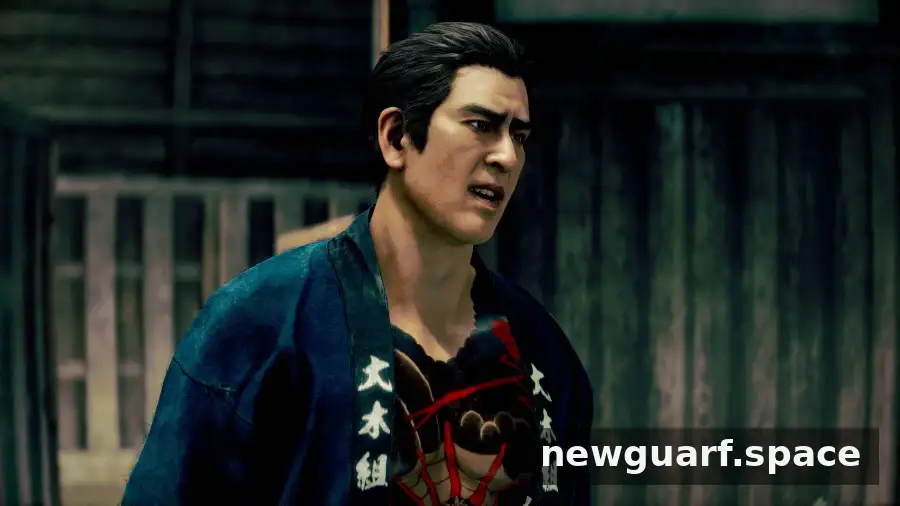
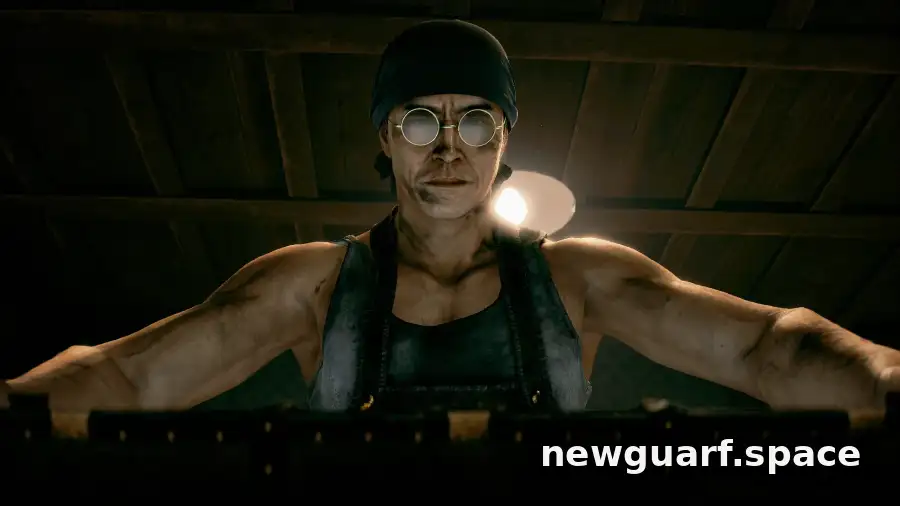
Cast and the portrayal of Amaru
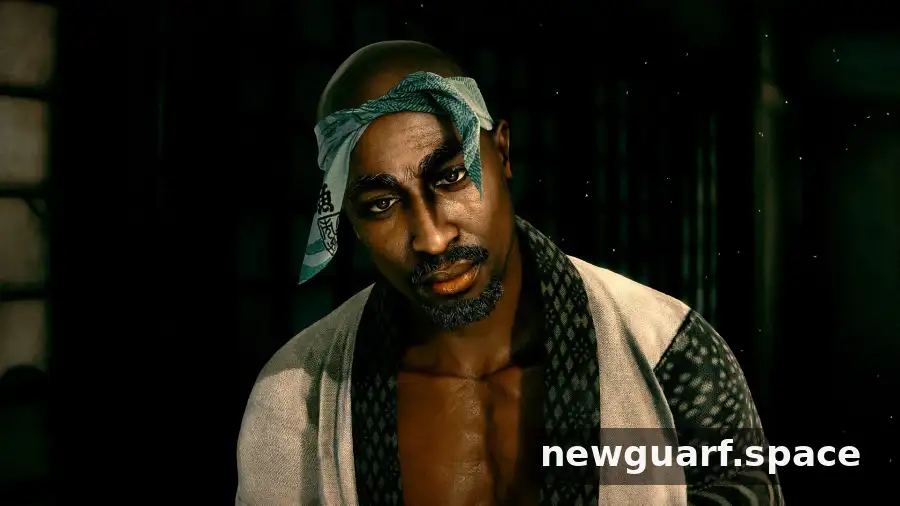
The game’s cast includes Snoop Dogg as Orpheus, Makoto’s best friend. Snoop recommended Tupac Shakur’s likeness for the role of Amaru. RGG worked with Snoop, Shakur’s likeness owner Amaru Entertainment, and Shakur’s family on the character’s portrayal, with the stated aim of honoring the late rapper.
Amaru was not shown during the gameplay preview described here, so the final depiction remains something players will need to assess when the game is released. The studio’s involvement with Shakur’s family and rights holders is relevant context for understanding how the character was developed.
What to keep in mind: A preview cannot confirm how a character will appear in the finished game. The completed release will provide a clearer picture of the portrayal and its place in the story.
What to expect from Stranger Than Heaven
Stranger Than Heaven pairs a story spanning decades with combat that emphasizes directional inputs, defense, and precise counters. Its connection to Like a Dragon gives the setting added context, while Makoto’s journey remains at the center. For players interested in historical crime stories and hands-on action, the game’s changing eras and distinct fighting mechanics are key elements to watch. The preview described a planned release in early 2026; check current release information before making plans.
