admin
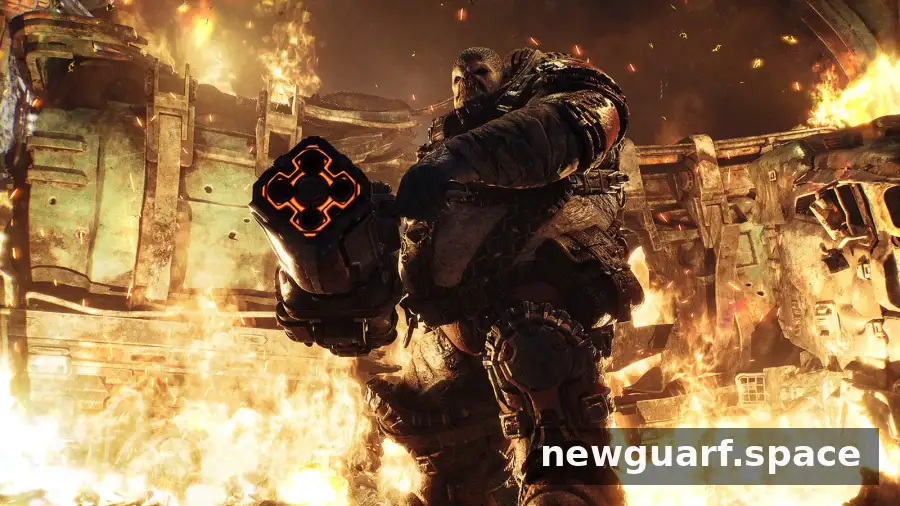
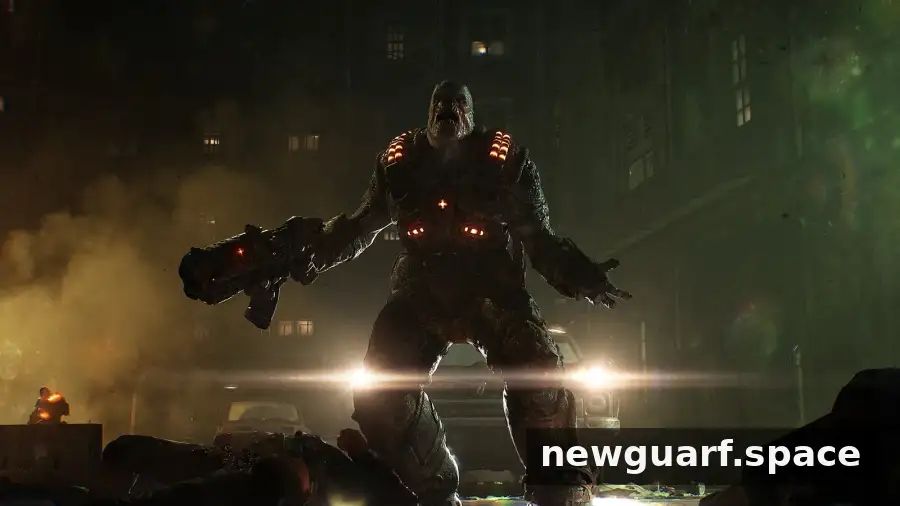
Gears of War: E-Day takes the series back to its origins, but its multiplayer also looks to the future. After several years of mainline entries and spin-offs, the game brings back the familiar cover-based combat and competitive modes that helped define the franchise. A hands-on session with Versus and Horde offered a first look at how those elements are shaping up.
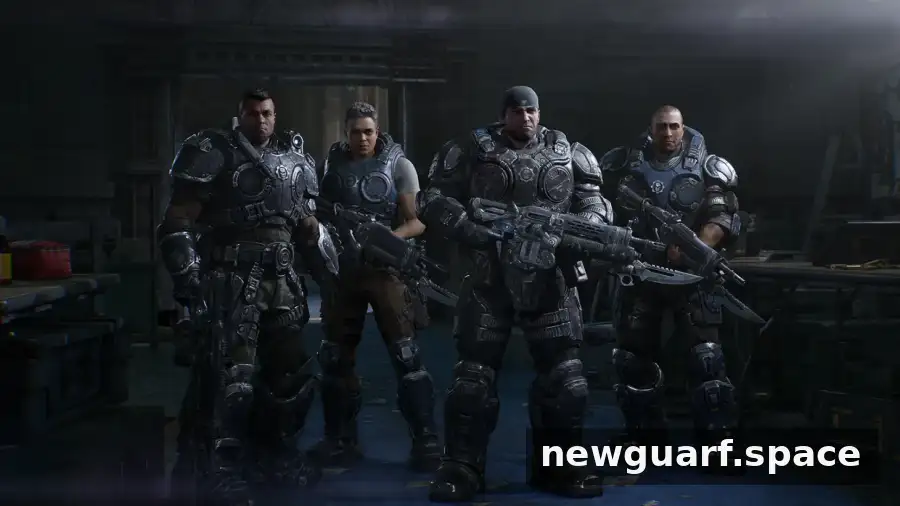
Gears of War: E-Day Returns to Classic Multiplayer
The Gears of War series has taken a varied path in recent years. Gears Pop arrived in 2019 as a mobile game inspired by Clash Royale, alongside Gears 5, which continued the mainline story. Gears Tactics followed in 2020 and received a positive response. Gears 5 appeared to set up a new trilogy, with Marcus Fenix in a more supportive role and the return of Reyna left as a story possibility.
Gears of War: Reloaded later brought the original game to PlayStation 5, expanding it beyond the Xbox ecosystem. E-Day, by contrast, is positioned as an Xbox and PC exclusive. The game’s platform plans have attracted attention, but the multiplayer itself is the focus here.
A Prequel Set on Emergence Day
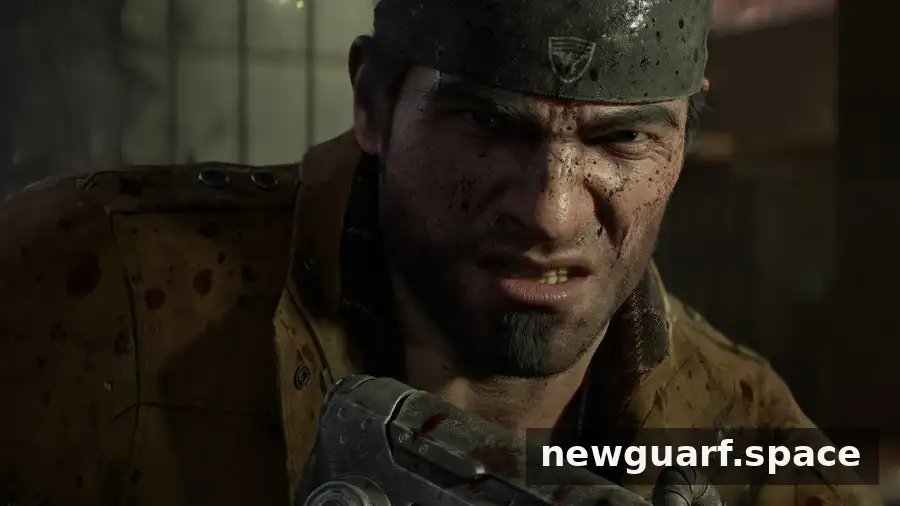
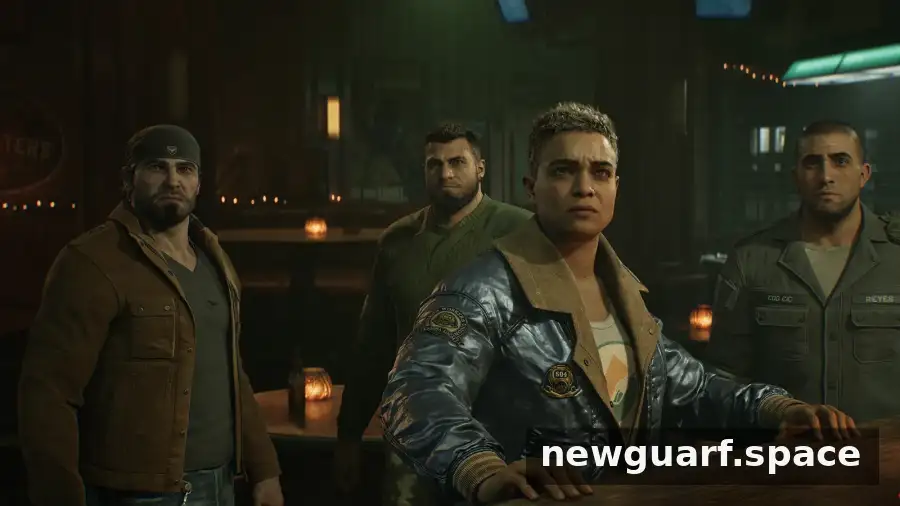
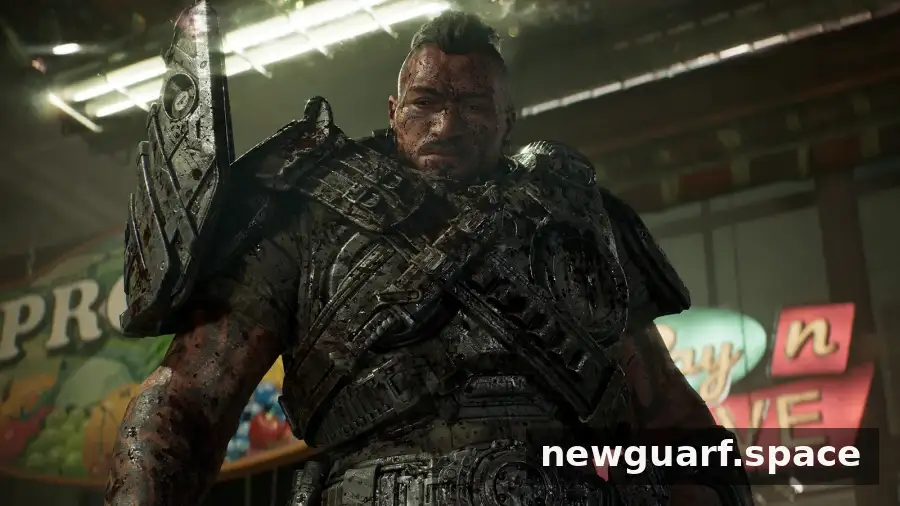
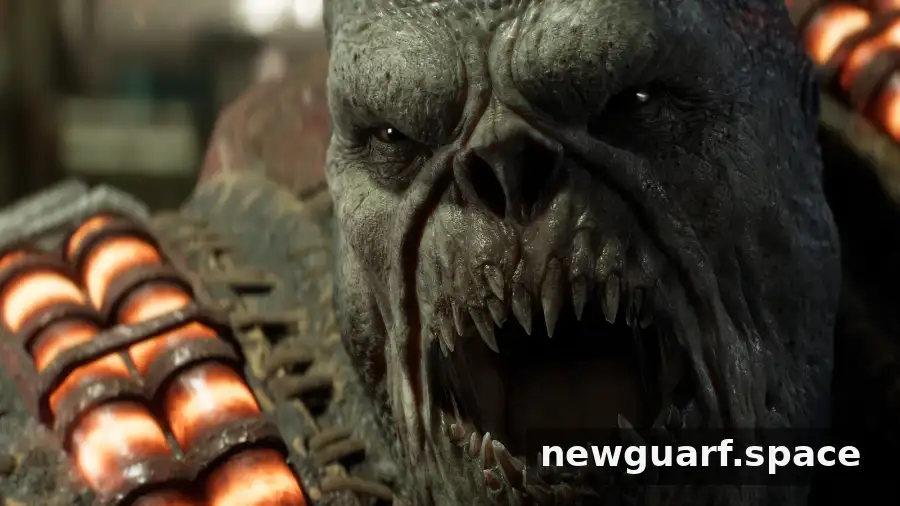
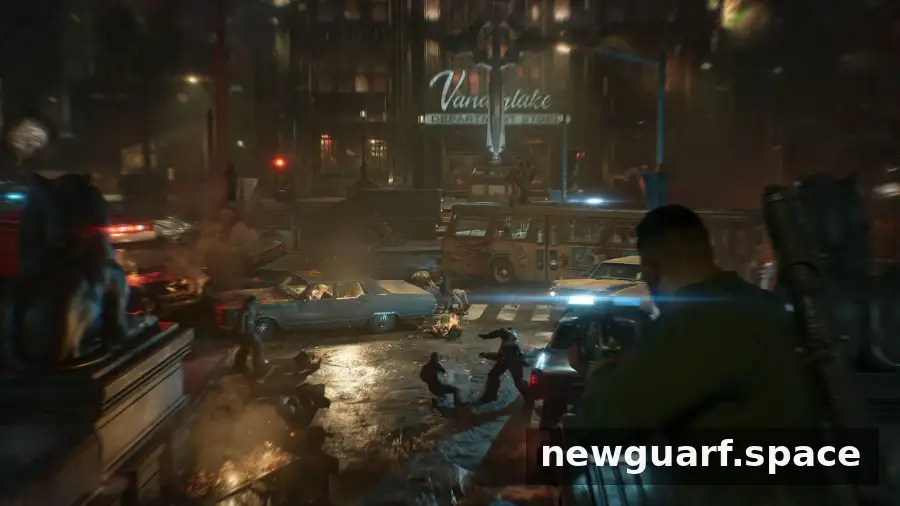
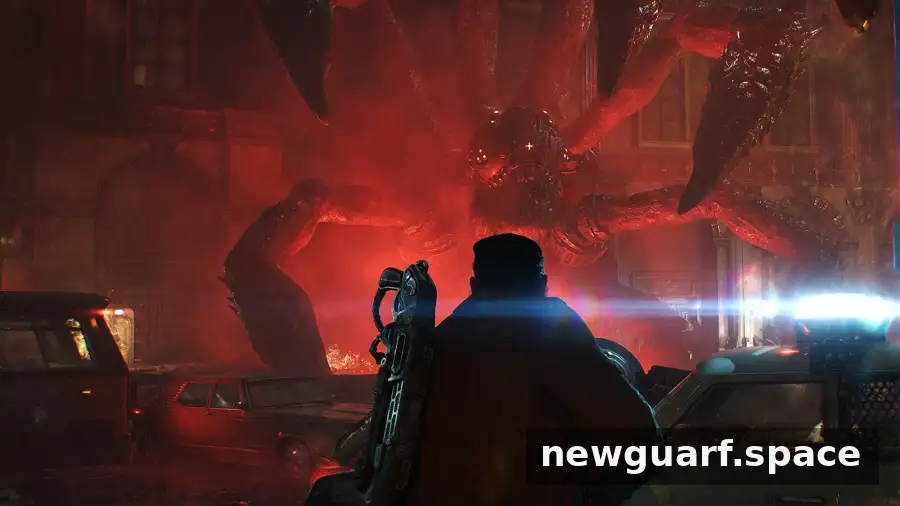
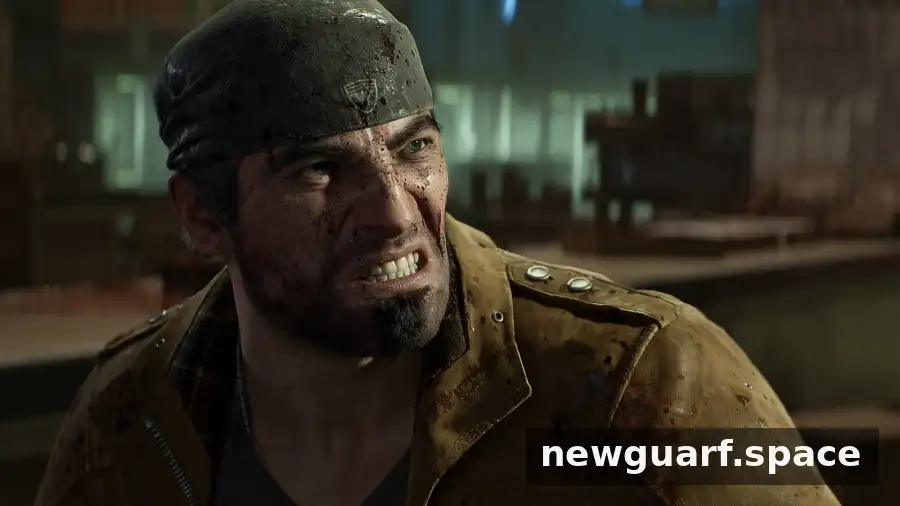
E-Day takes place 14 years before the first Gears of War. The title refers to Emergence Day, when the Locusts rose from underground and launched a devastating attack on humanity. Marcus Fenix and Dominic Santiago are attempting to return to civilian life after the Pendulum Wars when the invasion forces them back into combat.
For longtime fans, seeing the events of Emergence Day unfold is an appealing premise. The multiplayer preview, however, did not include the single-player campaign, so the story and its treatment of the invasion remain to be explored.
Familiar Versus Action with More Fluid Movement
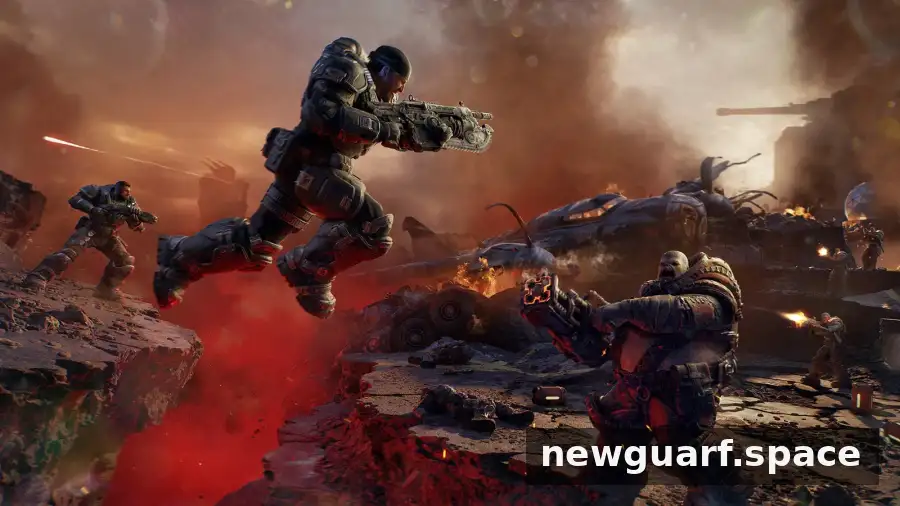
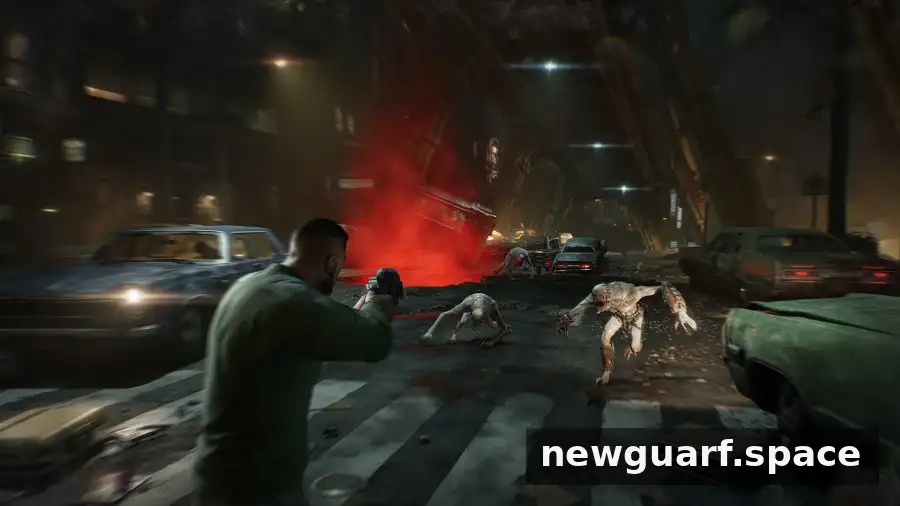
Versus multiplayer delivers a nostalgic eight-player experience built around the series’ established style. The mode does not radically reinvent the formula, which may be welcome for players who prefer Gears’ deliberate, cover-focused battles. Its appeal comes from returning to that recognizable rhythm rather than chasing a dramatic change in direction.
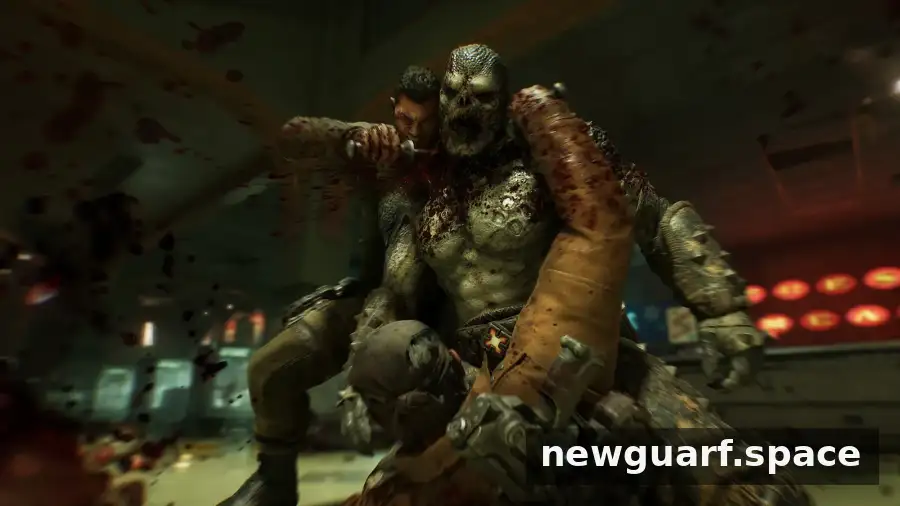
Movement feels quicker and more fluid than expected. Sliding into cover, moving beneath it and climbing over taller obstacles make it easier to reposition when under fire. The series’ gritty combat presentation also remains intact, including its exaggerated enemy takedowns.
Practical tip: Use cover as more than a place to hide. Moving between barriers and using ledges to change position can help you avoid sustained fire and create opportunities to attack.
Horde Adds Class-Based Teamplay
Horde is the mode that offers a stronger sense of progression and specialization. Players can choose from Assault, Breacher, Marksman and Medic classes, giving each character a distinct role during a match. The Medic, for example, can throw an item that restores health to nearby teammates after a cooldown.
Unlockable, equippable mods provide additional ways to support an individual character and the wider squad. Choosing a class that complements your teammates can make the rounds more coordinated, while upgrades give players reasons to refine their approach over time.
What the Multiplayer Preview Suggests
In a competitive gaming landscape often shaped by games such as Overwatch and Fortnite, E-Day’s traditional multiplayer structure feels distinctive. Its familiar foundations may appeal to returning fans, while smoother movement and class-focused Horde options add useful depth without discarding the series’ identity.
This preview covered multiplayer only, so it is too early to judge the complete game or its single-player campaign. Still, Gears of War: E-Day’s Versus and Horde modes suggest that the series can stand out by building on its own strengths: cover-based combat, squad play and chainsaw-equipped weapons.