 admin

1666: Amsterdam is a witchcraft-themed action-adventure game from Patrice Désilets, the creator of Assassin’s Creed. First conceived more than 15 years ago, the project endured studio changes and a lengthy dispute over ownership before moving toward Early Access. A preview build offers a look at its supernatural story, investigations and partnership between a witch and a cat, while also showing that several gameplay systems still need refinement.
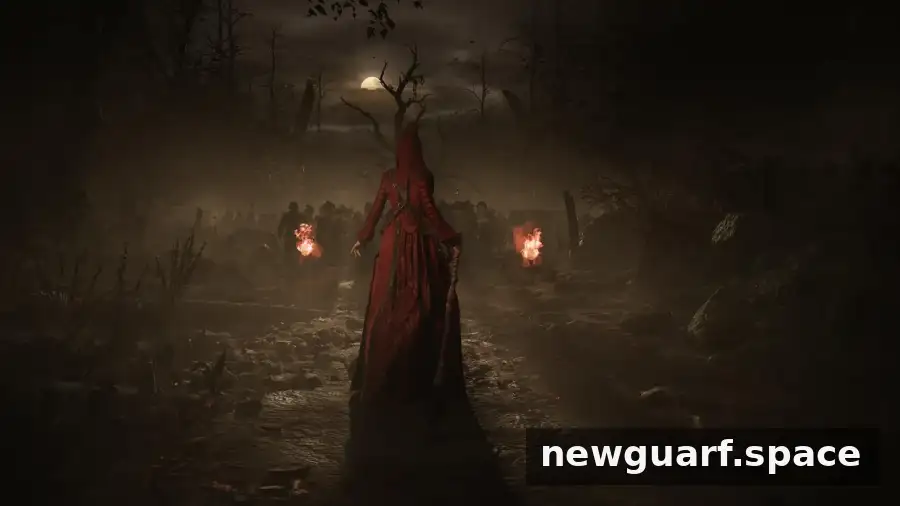
1666: Amsterdam’s story spans three eras
The preview begins after the free prologue released alongside the game’s re-reveal at Summer Game Fest. Players follow Noa Brooklyn, a young witch who has completed her initiation into the Zaindaris. This magical group trains Collectors to find and defeat the Originals: powerful beings who can take human form and live among ordinary people.
The Originals received Nux, an ancient magic, from the Zaindaris in an effort to advance humanity. Over time, however, the power corrupted many of them. Noa’s role is to reclaim their abilities and help restore balance.
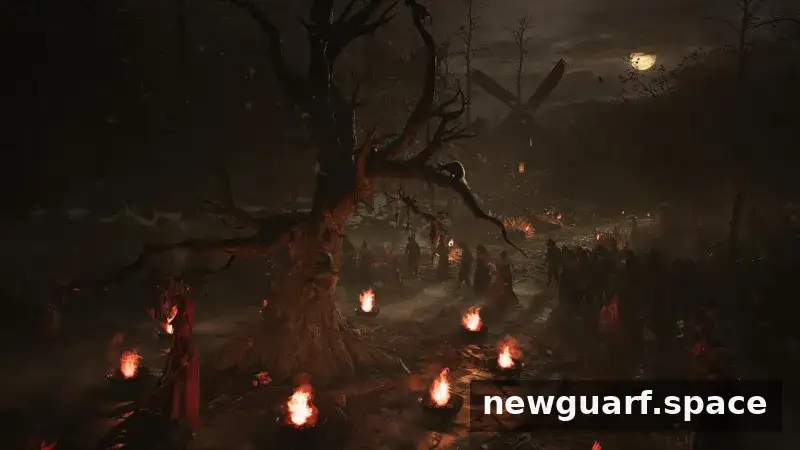
The story also reaches into 1999. Aaron travels to Amsterdam with his partner, who is secretly a member of the Zaindaris. A ritual sends Aaron’s consciousness back to 1666, where he wakes in the body of a cat. Noa chooses him as her familiar, known as a Union Cat, bringing the two characters together despite Aaron’s reluctance.
A third timeline features Clio, introduced in the prologue while investigating a letter from her father. The letter reveals that her father is Aaron, and his account of the events involving Noa provides the narration. Clio’s larger place in the story remains unclear in the preview.
Combat, magic and investigating the Originals
After Noa’s ritual is interrupted by witch-hunting militia, the preview introduces melee combat. A shoulder-trigger attack performs a basic staff combo, while a dodge helps Noa avoid groups of enemies. Potions restore her health, and a finishing move can follow a stun when an enemy is close to defeat.
The early combat build feels light on impact, and opponents often attack one at a time. Dramatic camera shots introduce successive groups, but repeated encounters may become tiresome. Noa’s available magic in this section can detonate objects such as barrels and crates, damaging or defeating nearby enemies.
Other abilities shown separately include magical tendrils that hold enemies in the air and a power that temporarily turns them to stone. Noa gathers Nux energy to use these skills. For players exploring the combat, using explosive objects to affect several nearby enemies may be more effective than relying only on basic attacks.
Finding an Original involves investigating during the day. Noa can search homes and businesses for notes, study her surroundings and question residents to learn details about a target, including its appearance, seal and original name. Once night arrives, she can confront the identified Original.

Exploration and the mission system
Amsterdam is designed to be explored freely, with a compact, dense layout rather than a sprawling map. Panache Digital Games has a team of 70 employees and aims to make every building’s interior accessible. Noa can glide over water and warp between platforms to navigate the city.
Each contract adds a roguelike-style choice: players select one of three abilities from a randomized pool. Options can include a health increase or an offensive skill such as Petrify. Investigations allow for different approaches, from discreet information gathering to more conspicuous actions. The preview did not include a complete player-led investigation, so the long-term variety of this central system remains to be seen.
Noa can switch between her witch and civilian appearances. Her civilian disguise draws less attention and can make residents more receptive. An attention meter rises when she performs suspicious actions, such as using magic in public or looking through windows where people can see her. If the meter fills, militia members pursue her; she can fight or escape to a safehouse to lose their attention.
Safehouses also let Noa craft potions from recipes and ingredients found while exploring. If captured, she is sent to prison and must escape. The developers were still considering how repeated arrests would affect players, so the consequences were not fully settled in the preview build.
Playing as Aaron and exploring Amsterdam
Players can switch to Aaron at any time. In cat form, he can climb through parts of buildings that Noa cannot reach, including routes around locked doors. He can distract guards who want to pet him. People afraid of black cats can also be possessed: Aaron hisses, then completes a timed pouncing and scratching sequence to take control of them. This can help him explore restricted areas or create an opening for Noa.
Aaron can also transform Lux into Nux. Combining his access to tight spaces and possession abilities with Noa’s skills adds a puzzle-like layer to reaching difficult locations. The preview’s platforming was occasionally unresponsive, so players should keep in mind that movement may change as development continues.
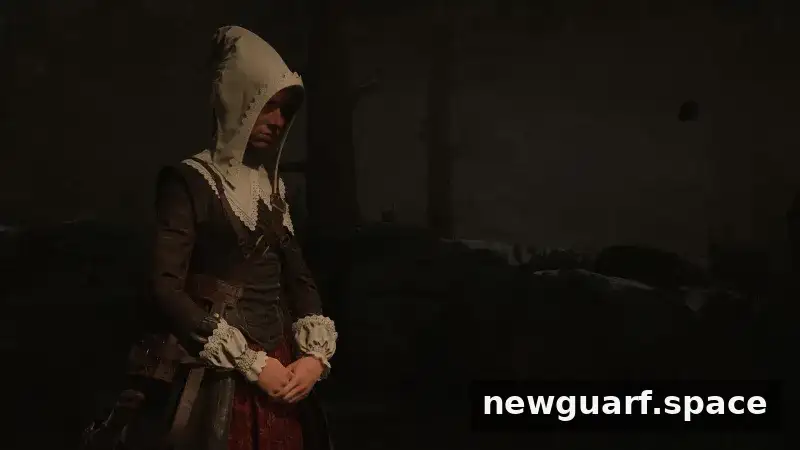
The game’s Amsterdam draws on the domestic interior paintings of 17th-century Dutch artist Johannes Vermeer. That influence gives the environments a painterly quality alongside their three-dimensional design. Taking time to look around may also support investigations, since clues can be found in homes and businesses.
Early Access plans and preview impressions
At its planned Early Access launch on August 25, the game is set to include its opening chapters, described by Désilets as a “pretty big chunk” of content. The story outline, lore and rules are complete, while Panache Digital Games is continuing to refine and expand dialogue and gameplay systems. The team expects Early Access to last at least one year and intends to develop the game with community feedback.
Désilets also confirmed that reported AI placeholder assets had been removed and would not appear in the Early Access launch. As with any in-development preview, features and presentation may change as work continues.
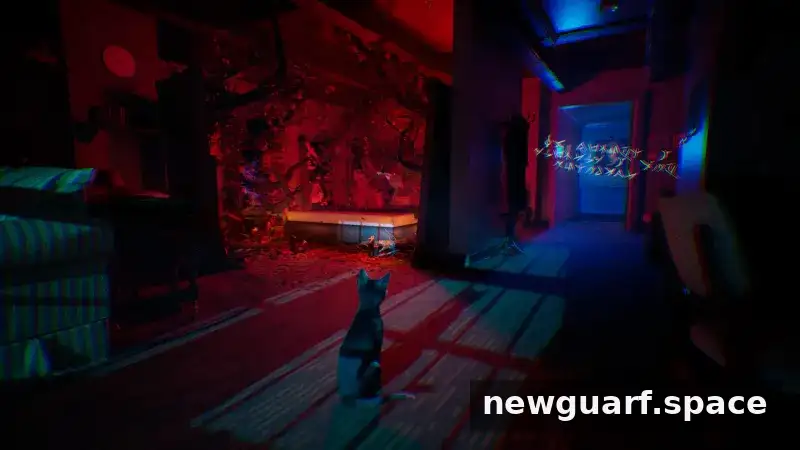
The preview build showed ambitious ideas but also rough combat, uneven platforming and systems still in progress. Its strongest hooks are the investigation-focused missions, the atmospheric setting and the different ways Noa and Aaron can work together. The witchcraft premise also gives familiar action-adventure elements a distinct context.
1666: Amsterdam has a long development history, and the Early Access version is only an early portion of the planned experience. Its mix of supernatural investigations, exploration and dual-character abilities gives it room to grow, but the quality of that growth will depend on how well the developers polish and expand its systems.
