admin

Final Fantasy Resonance draws on decades of series history, but its appeal goes beyond familiar characters and references. Based on the mobile game Final Fantasy: Brave Exvius, this new role-playing game from Square Enix and Lancarse updates that foundation with HD-2D presentation, party conversations, and tactical turn-based battles. A demo at Gamescom 2026 offered a look at how those elements come together.

Final Fantasy Resonance combines classic style with new ideas
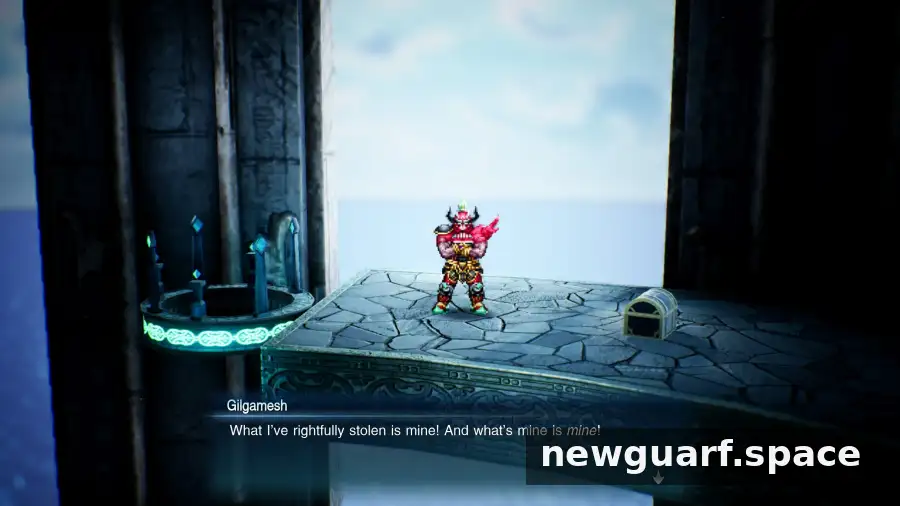
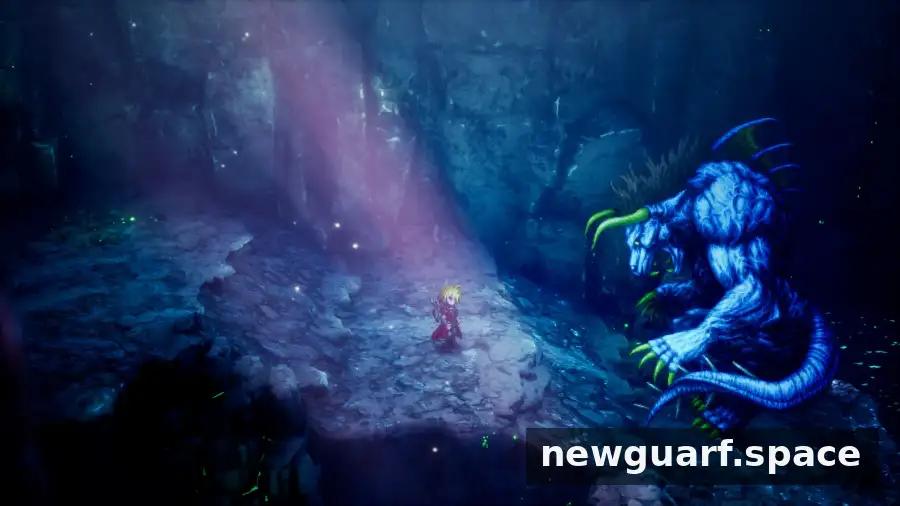
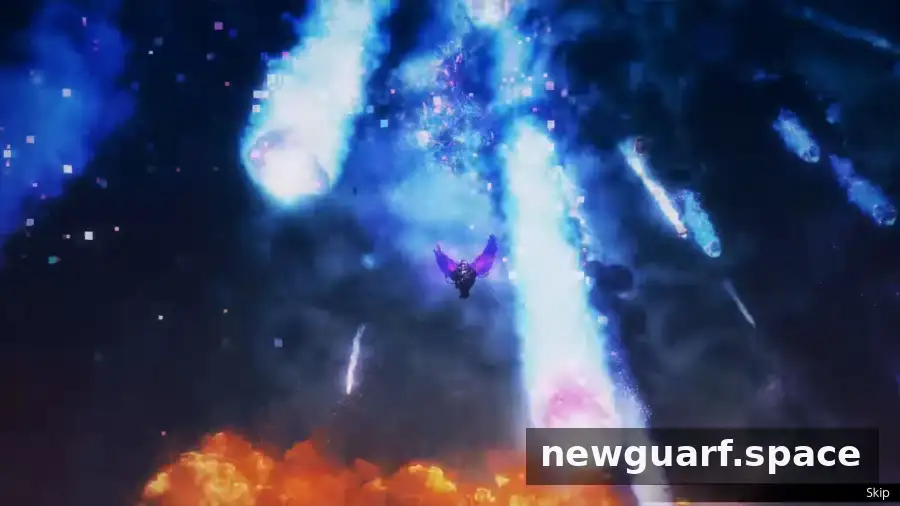
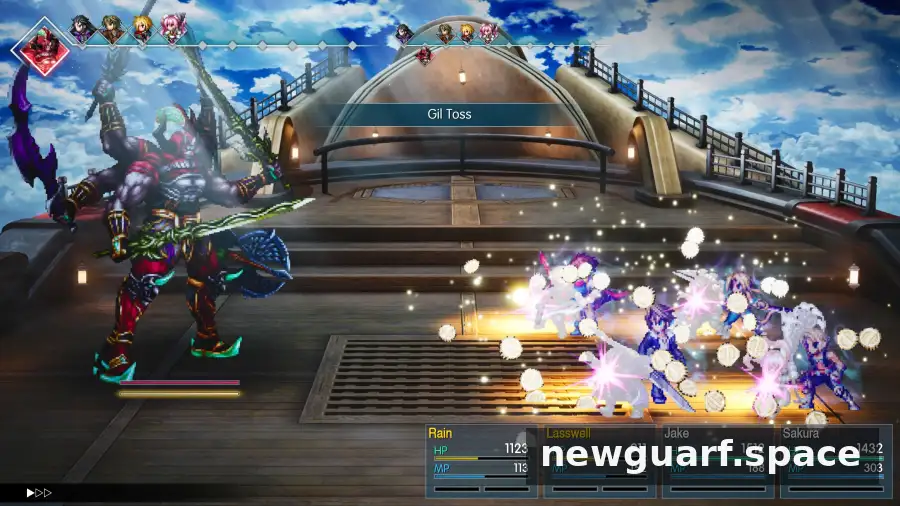
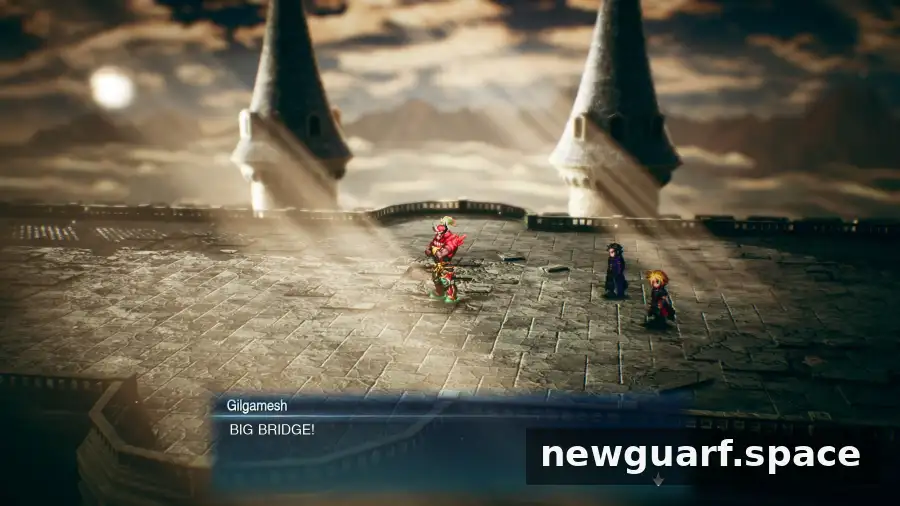
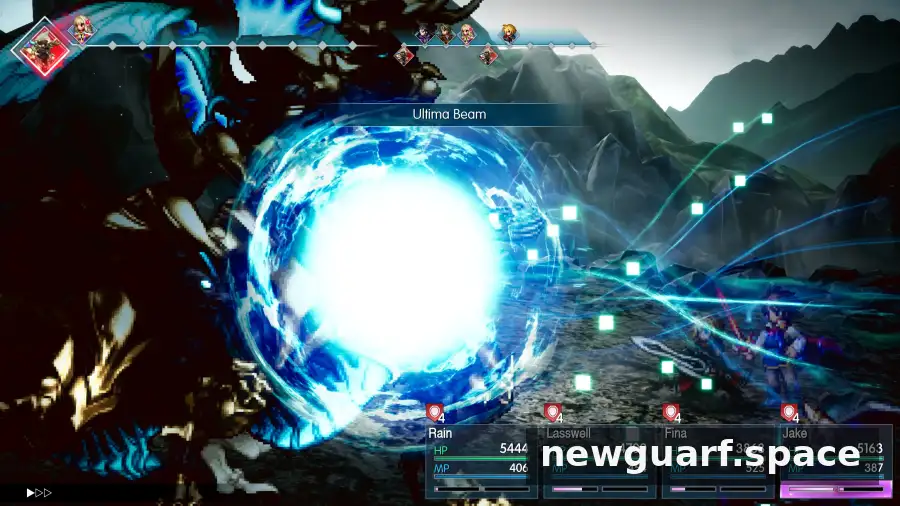
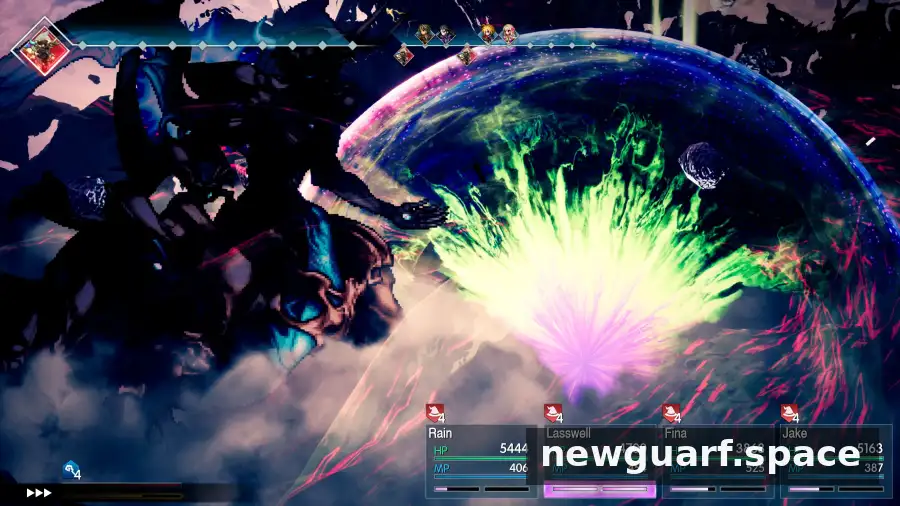
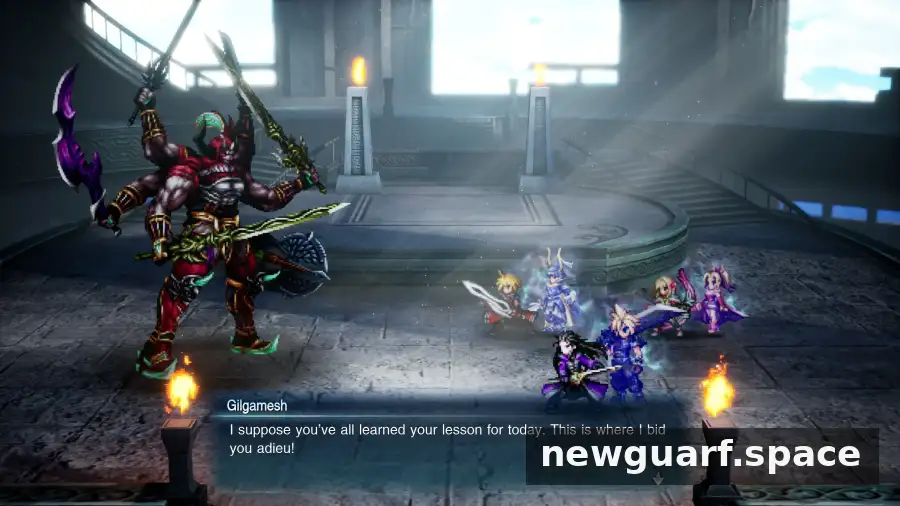
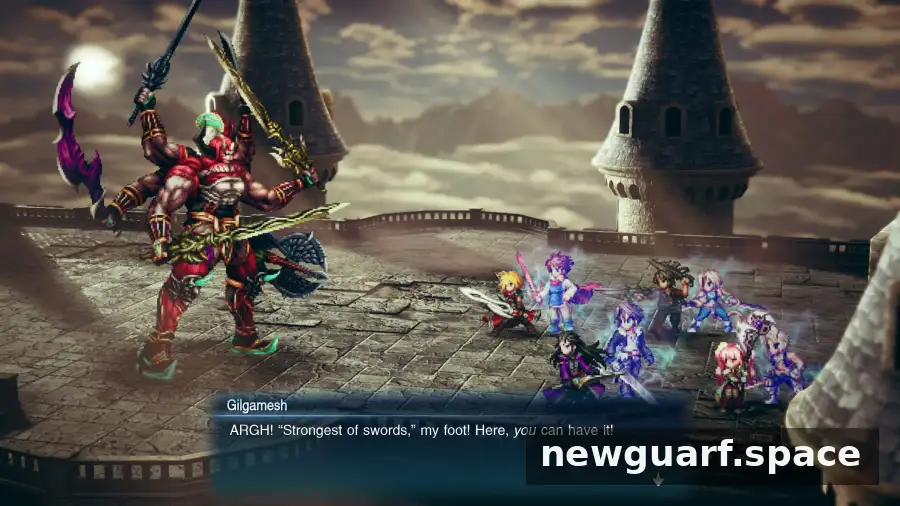
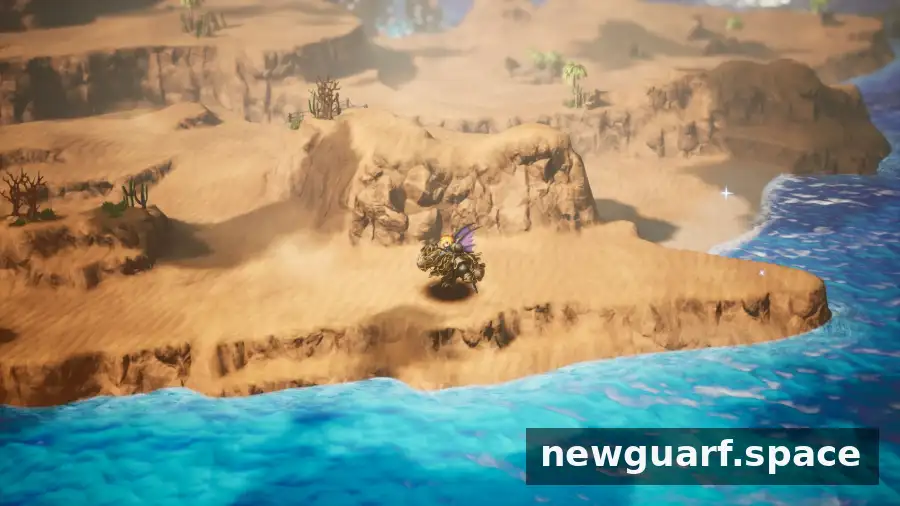
The game’s HD-2D art gives its world the retro-inspired look associated with other Square Enix RPGs, while adding visual flourishes of its own. Three-dimensional mapping built from pixel art creates striking story scenes, and powerful Vision attacks are presented in elaborate 3D CGI sequences. The cinematic style recalls some of Square’s films, including The Spirits Within and Advent Children.
Visions are spiritual forms of well-known Final Fantasy characters that party members can equip to expand their abilities. In the demo, Final Fantasy XV’s Noctis provided access to additional Blizzard attacks, while the original game’s Warrior of Light supported the party’s front line with healing and defensive magic. Choosing a Vision to suit a character’s role can help prepare the group for different encounters.
Turn-based battles reward careful planning
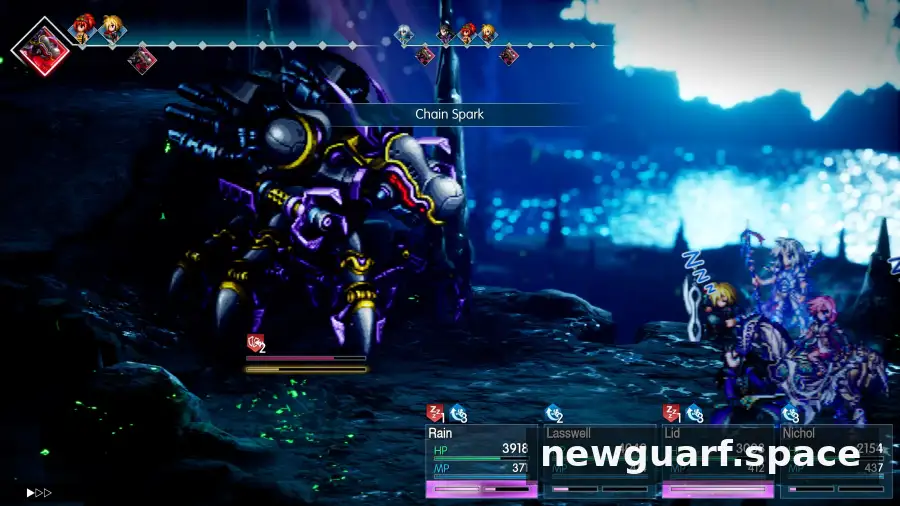
Combat uses a familiar turn-based structure, with a stagger bar that encourages players to exploit enemy weaknesses. Pressing an opponent’s vulnerability can build stagger and create opportunities for extra turns. Against tougher foes, managing that bar is key: players need to decide when to attack, defend, heal, or use items rather than focusing only on damage.
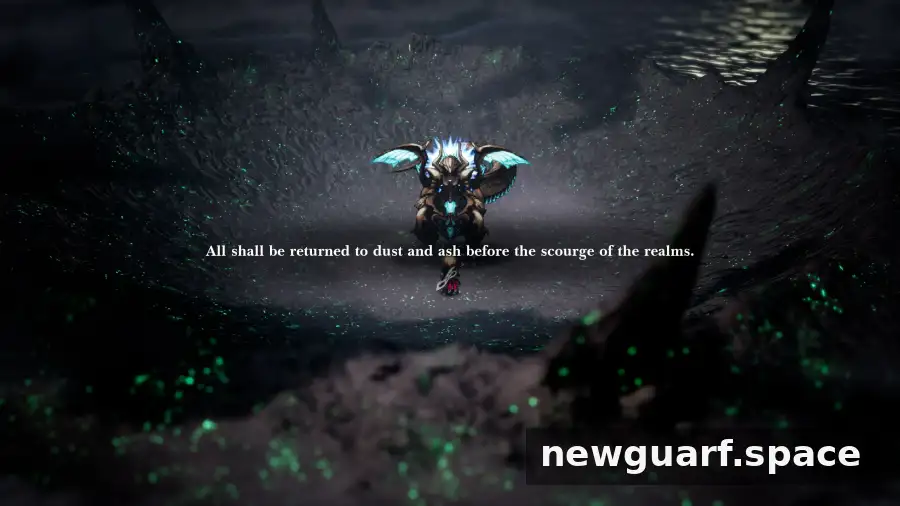
The demo’s dungeon boss, who used wind-based attacks, made that balance especially important. Keeping the party healthy while steadily reducing the boss’s stagger gauge meant coordinating each character’s actions. Practical tip: pay attention to enemy weaknesses and keep healing and item use in your plan, particularly during longer fights.
Party conversations add character and world-building
One of the more distinctive additions is the dialogue between party members as they explore dungeons. These exchanges help reveal the group’s personalities, relationships, and views of the world without relying only on lengthy introductory scenes. In the demo, the four adventurers debated whether summoning a primal entity to play a bedtime lullaby was a good idea—a lighthearted moment that also gave the party more definition.
This kind of optional-feeling conversation can make exploration more engaging. Listening to the group while moving through a dungeon offers extra context and gives players a reason to pay attention between battles.
A familiar foundation with room to grow
Final Fantasy Resonance follows a broader approach of turning a former mobile game into a standalone premium release, much like Octopath Traveler 0. It builds on Brave Exvius’s narrative framework and core ideas, while adding upgrades and quality-of-life changes. The familiar series references and returning characters provide an entry point, but the combat systems, presentation, and party interactions give the game its own identity.
For players considering the game, the key appeal is the combination of recognizable Final Fantasy elements and a traditional RPG structure that still asks for tactical decisions. Final Fantasy Resonance may attract fans through its history, but its HD-2D world, strategic battles, and character-focused moments are what make it promising as a new adventure.