admin

Dungeons & Dragons: The Long Rest Tavern offers a fresh take on life in Faerûn: instead of playing as an adventurer, you manage the inn where adventurers come to eat, drink, and rest. The game combines tavern building and business management with familiar D&D classes, creating a cozy change of pace from monster hunting and dungeon exploration.
Dungeons & Dragons: The Long Rest Tavern puts you behind the bar
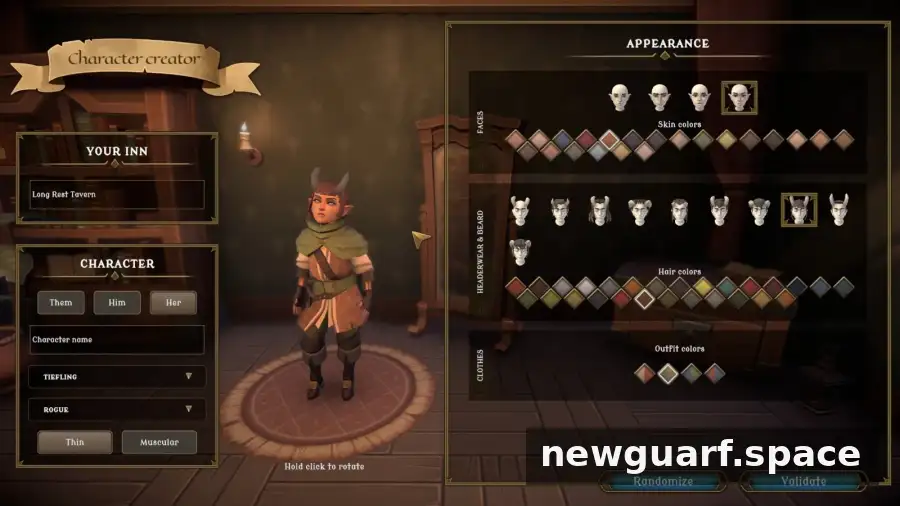
Players take on the role of a customizable innkeeper building a growing business. At the start, you choose one of seven classes: Bard, Wizard, Fighter, Druid, Barbarian, Rogue, or Cleric. A 45-minute hands-on demo introduced this choice, though the specific ways each class affects the wider game were not yet clear. It remains to be seen how much those class abilities shape tavern management and other activities.
For players deciding what to focus on first, the class selection is worth keeping in mind, but the demo did not establish that any option is better for running an inn. The tavern itself is the central part of the experience.
Build and furnish a welcoming tavern
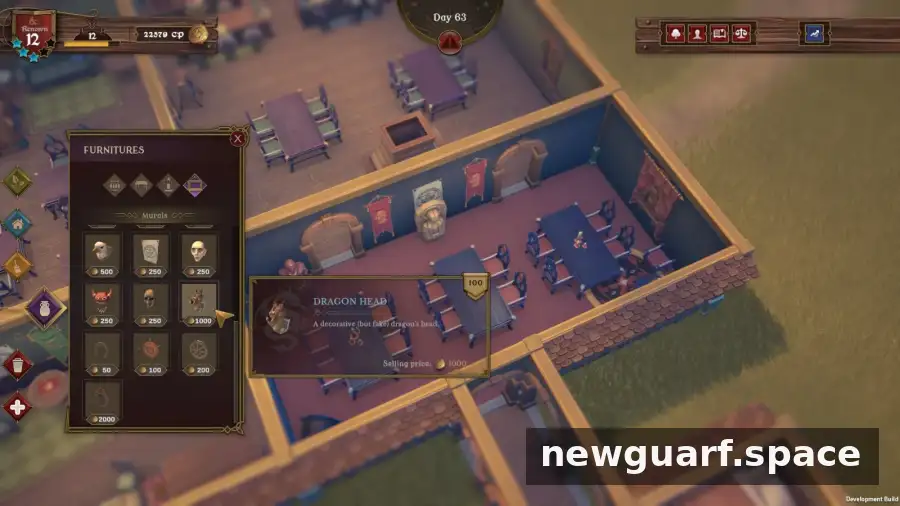
Construction uses a grid-based layout tool. Clicking and dragging lets players plan rooms and build the basic facilities, including a dining room, an inventory closet, and bedrooms. A range of floors, wall patterns, doors, windows, and furniture gives the inn a personal look. A fireplace can add a welcoming touch, while the bar serves as the main focal point of the business.
A useful early planning tip is to leave enough space for customers and staff to move around. The demo’s layout tools make it straightforward to arrange rooms, but a tavern also needs practical areas for serving guests and storing supplies.
Hire staff and prepare for each shift
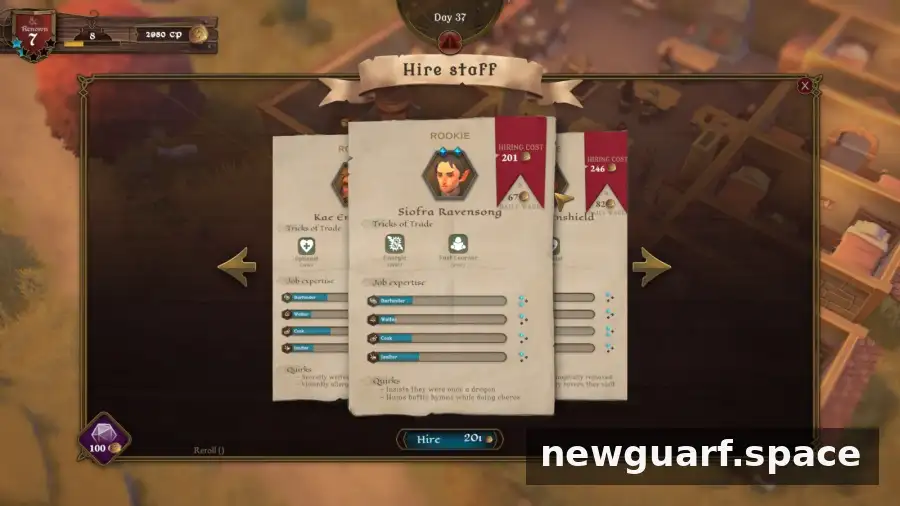
Once the bar is in place, you can hire a bartender and a server. Their stats affect how efficiently they work: pouring speed matters for bartenders, while servers benefit from a higher walk speed. Faster service can help turn tables over more quickly and make room for additional customers during the night shift.
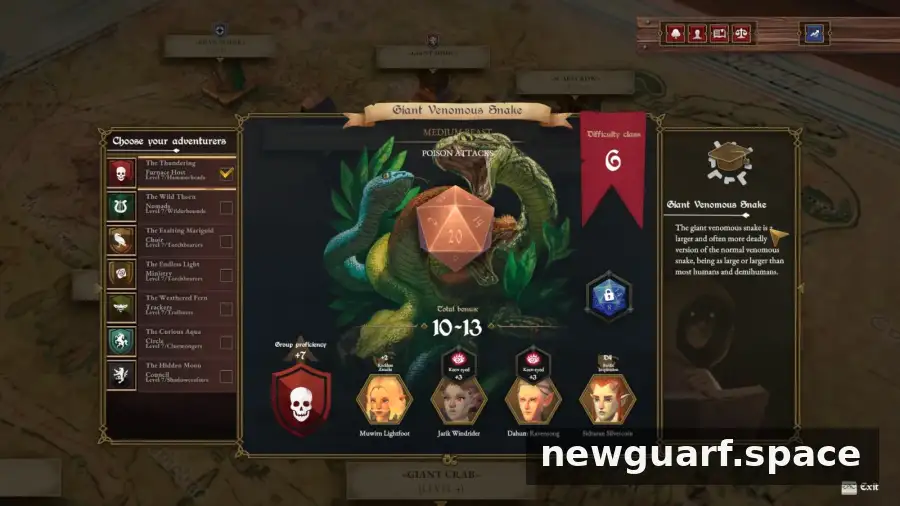
Days are used to expand or improve the tavern, order inventory, and handle other management tasks. Players can also send adventurers on quests to bring back resources. Planning ahead is important: a well-stocked bar and capable staff can help prevent delays once guests arrive.
Keep guests happy and earn Renown
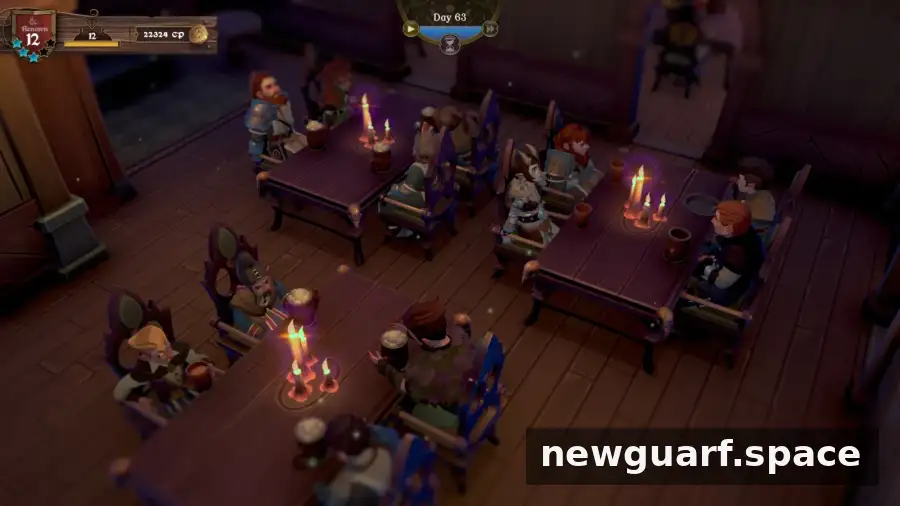
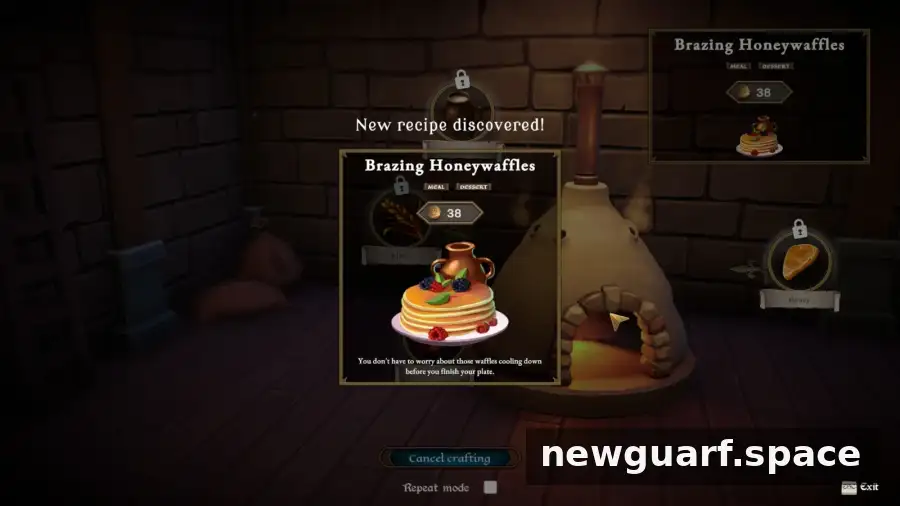
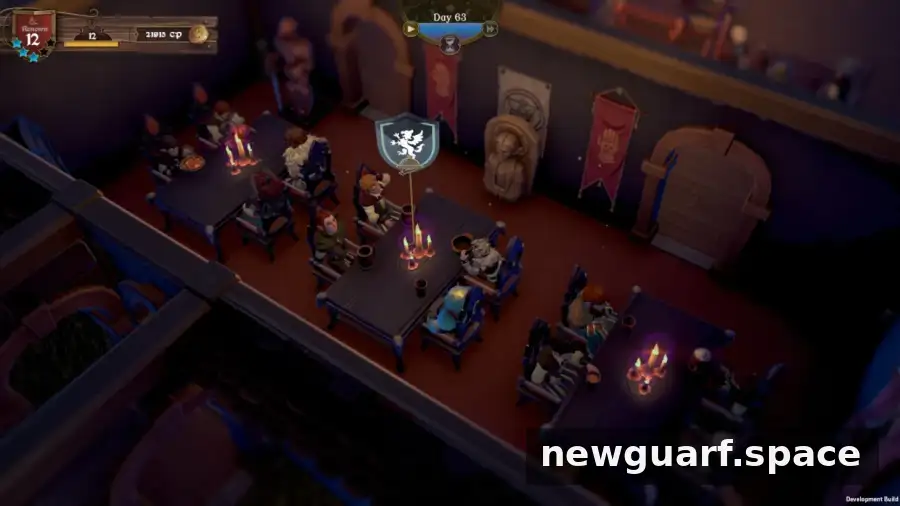
Night shifts bring groups of adventurers and other customers to the tavern. The innkeeper needs to keep tables available and clean, and make sure there is enough drink to serve everyone. The demo began with basic ale before introducing a recipe for higher-quality beer made with gathered ingredients. Running out of beer during a shift means turning customers away and missing out on income.
Guests who stay in rooms with beds can provide an additional source of revenue. At the end of each shift, Renown is awarded according to earnings, customer satisfaction, and the number of visitors. Higher Renown attracts higher-level customers who have more money to spend. For steady progress, balance serving guests with keeping the rooms, tables, and supplies ready for the next group.
A promising cozy management concept
The early shifts offer a relaxing introduction to running the tavern, and the familiar shop-management systems provide a solid foundation. The short demo did not reveal how deeply the game’s more D&D-focused features will influence the experience, so a longer play session will be needed to assess them. Even so, combining innkeeping with the world of Faerûn gives the game a distinctive premise that could appeal to tabletop fans.
Dungeons & Dragons: The Long Rest Tavern turns a familiar fantasy setting into a cozy business-management experience. Building the inn, hiring staff, serving adventurers, and earning Renown are the core activities shown so far; how the classes and quest systems add depth will help determine how far the concept can go.