 admin

The Duskbloods gameplay blends exploration, supernatural combat, and competition in a way that may appeal even to players who usually prefer FromSoftware’s single-player adventures. Rather than making every encounter a direct fight against another player, the game asks competitors to explore a dangerous world, defeat monsters, discover resources, and decide when to engage with rivals. In a hands-on preview of the Switch 2 exclusive, its mix of solo-friendly play and high-stakes multiplayer stood out as a distinctive approach to competitive action.
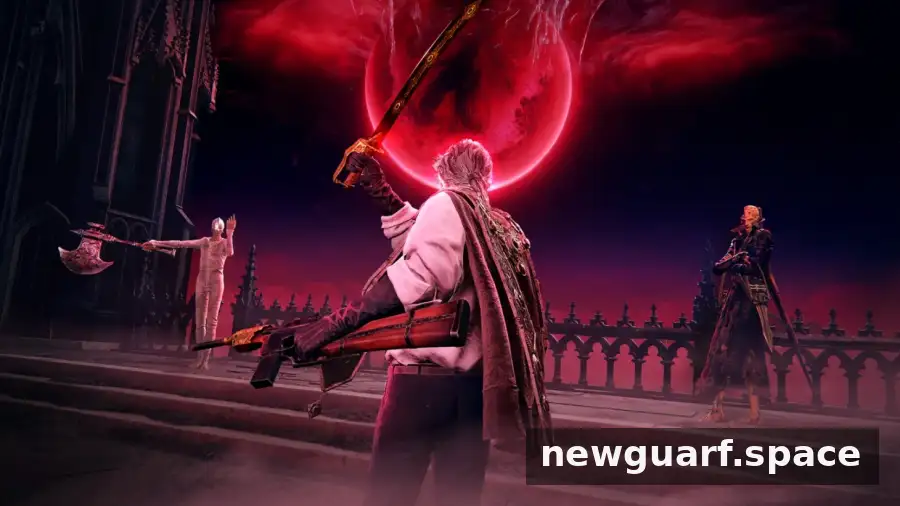
The Blood Moon Rises

In development since 2021, while FromSoftware was still working on Elden Ring, The Duskbloods follows the Bloodsworn: powerful, vampiric warriors competing in an event called the Twilight of Humanity. Their goal is to claim a prize known as First Blood.
Director Hidetaka Miyazaki explained that the project was not created as a response to Elden Ring’s success or as a continuation of a supposed studio-wide move toward multiplayer. Instead, it is the game he wanted to make. FromSoftware also says it is not leaving single-player games behind.
The game develops multiplayer ideas found in earlier FromSoftware titles, including Dark Souls, into a dedicated competitive experience. It was initially planned for the original Switch, but the move to Switch 2 avoided hardware limitations that could have required compromises. The preview build offered a substantial mix of exploration and combat, though it is a different kind of experience from Elden Ring.
Meet the Bloodsworn
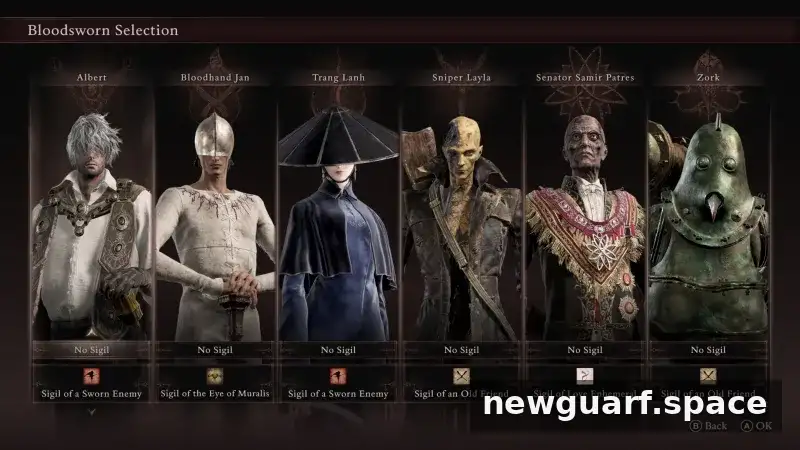
The Bloodsworn are the playable characters, each with short- and long-range weapons and distinctive abilities. More than 10 are planned for launch. Six were available during the preview and are also included in the closed network test beginning August 21.
- Albert: Uses dual sabers and an SMG, with blood-powered attacks. His balance of close- and long-range offense makes him a practical starting choice.
- Bloodhand Jan: Fights with a one-handed axe and shoots fire from his free hand. One special move sends him into the air before he crashes down with a large blood-infused area attack.
- Senator Samir Patres: Combines rapier attacks and spectral birds with a transformation into a charging, dinosaur-like creature.
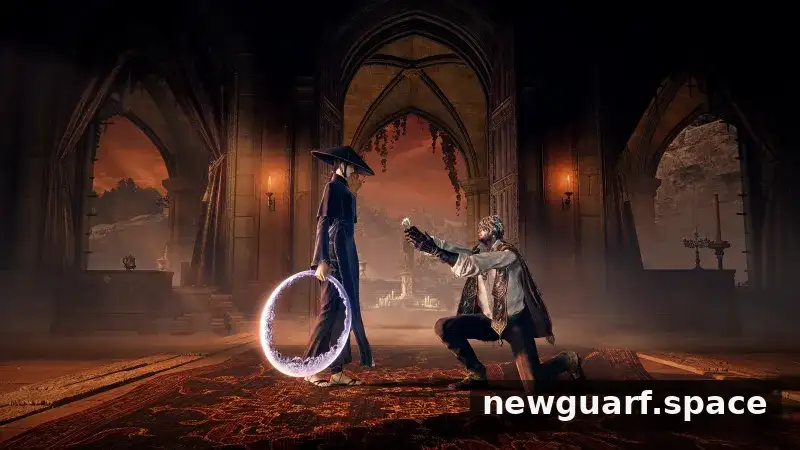
- Trang Lanh: Uses a large ring blade in close combat or throws it at distant enemies. Trang can also turn invisible temporarily and summon a giant white snake.
- Sniper Layla: Attacks from a distance with a rifle and carries blades for close encounters. She can transform into a swarm of insects to move quickly and produce a Gatling gun from her chest.
- Zork: A heavily armored fighter with slower movement and powerful attacks, including an electric cable, speargun, missile barrage, and headfirst rocket charge.
Combat will feel familiar to players of FromSoftware’s Souls games, but movement is more expansive. Bloodsworn can leap to great heights and chain up to four jumps before landing, making it easier to cross the map or approach enemies from above. Falling does not cause damage, and sprinting does not use stamina. Stamina is still consumed by attacks and dodges, so it remains important to manage it during fights.
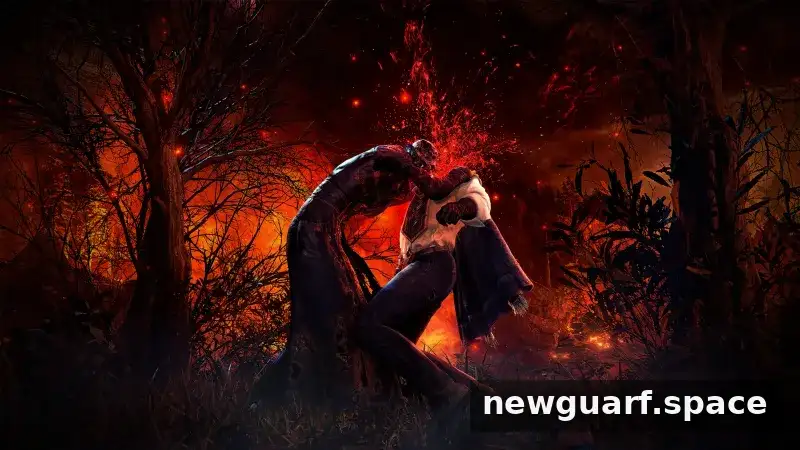
Bloodsworn can bite the necks of staggered enemies to drain blood, gaining a small amount of health and turning weaker foes into temporary allies. To create an opening, players must time a howl like a parry just before an enemy lands a hit. The resulting brief stagger window rewards quick reactions. The same technique can interrupt other players, and draining a rival’s blood deals significant damage.
Special portals summon Kin, unusual allies that remain with a player throughout a match and grow stronger as they defeat enemies. For example, Baritone provides a stat boost through song and attacks with wrestling-style moves. Other options include a healing gargoyle and a fast, dual-sword-wielding warrior. Kin can be recalled, but replacing one with another found at a portal resets the new companion to Level 1. Consider whether a fresh ability is worth giving up a higher-level partner before switching.
Know Your Kin
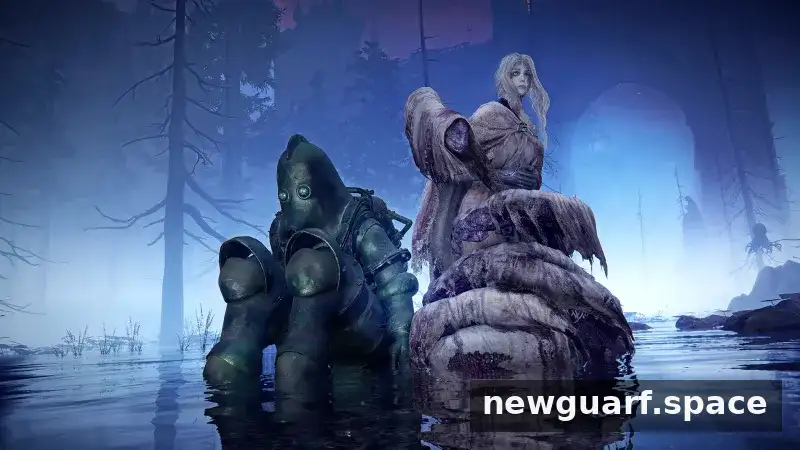
The preview featured eight Kin. It has not been confirmed whether that represents the complete launch selection. Each offers a different kind of support, so the right choice depends on a character’s build and the situation.
- Baritone: A singing behemoth who provides a stat boost and suplexes enemies.
- Undead Marlowe: A shambling, hard-to-kill fighter who attacks with awkward but useful flailing strikes.
- Nia, Sister of the Briar: A nimble swordswoman who uses acrobatic movements to cut down enemies while avoiding damage.
- Thaumaturge Avester: A floating mage who attacks with magical fireballs.
- Valentinos the Unwise: A large Kin in a wheelchair-like vehicle who attacks with a whip at range or grabs nearby targets.
- Gargoyle: A stationary, snake-wrapped statue that heals its master. Place it somewhere enemies are less likely to find or attack it.
- Gunslinger Beatrice: A Wild West-inspired ally who provides ranged support with her pistols.
- Black Wolf of Mars: A ferocious wolf that repeatedly attacks enemies and can complement Bloodsworn who prefer to fight from a distance.
How Dusk Battles and Virtue Work
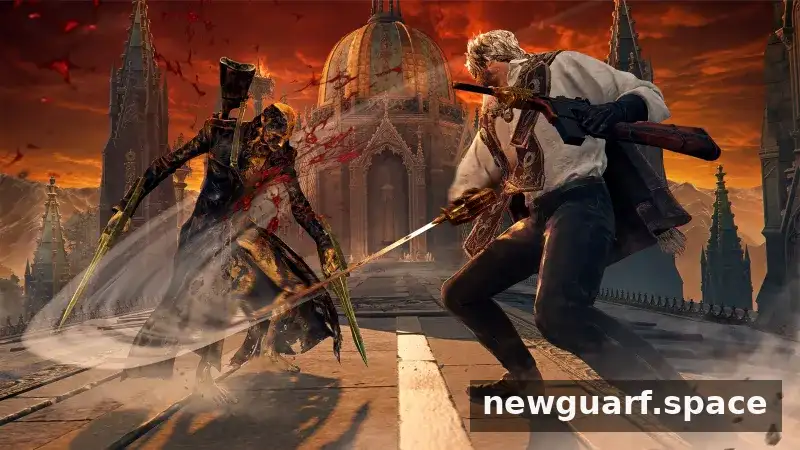
Players begin in the House of Night, a hub with a training area and other locations that were not available in the preview build. From there, they enter a Dusk Battle. Each match has eight players and four timed phases, with the field gradually narrowing until one player remains. Private lobbies are available for people who want to play with friends, alongside random matchmaking.
To advance, players must earn enough Virtue. This resource can come from defeating rival players, common enemies, and bosses, as well as exploring the map and finding hidden rewards. Different activities grant different types of Virtue. Defeating bosses, including particularly dangerous Trespassers, can earn Repulsion Virtue. Smaller achievements, such as defeating many ordinary enemies or collecting more dropped items than other players, award Commendation Virtue.
Flame Virtue is found on purple, throne-seated corpses hidden throughout the map. Each one can be claimed only once, so the first player to reach it receives the reward. When searching for one, be prepared for the possibility that a rival has already collected it.
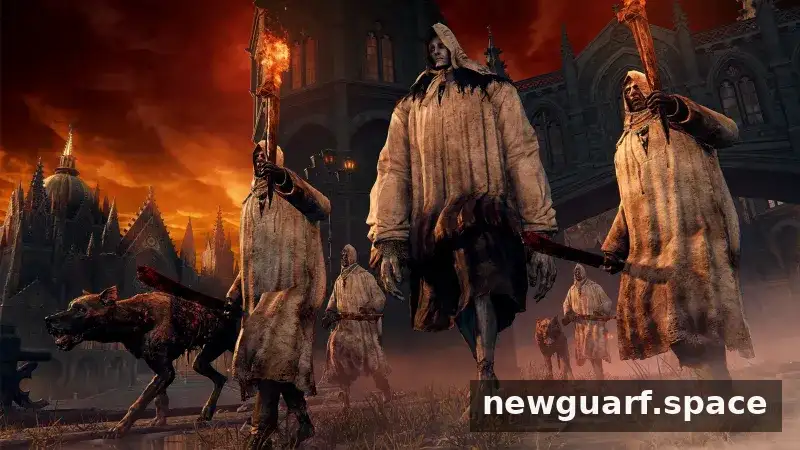
Players with enough Virtue move on when a phase ends; those below the required amount are eliminated. Phase I has no eliminations, making it a useful time to explore, defeat enemies, level up, and unlock character abilities. Dying during a match does not end a run: players respawn in a chosen area. Each character begins with two health flasks, and a special item can increase that limit.
Optional character missions called Sigils provide another way to earn Virtue. A Bloodsworn can activate a Sigil before a match. Albert’s Sigil of a Sworn Enemy, for instance, tasks the player with hunting a marked rival. The Sigil of Old Friend encourages players to seek out another competitor and offer an Alliance.
The Sigil of the Eye of Moralis sets a similar hunt in motion, marking a player as a Heretic. The target can also defeat their pursuer for a reward. Another option, the Sigil of Love, asks a player to propose marriage to a designated rival. If the proposal is accepted, they become lovers, though the preview did not clarify what benefit the other player receives.
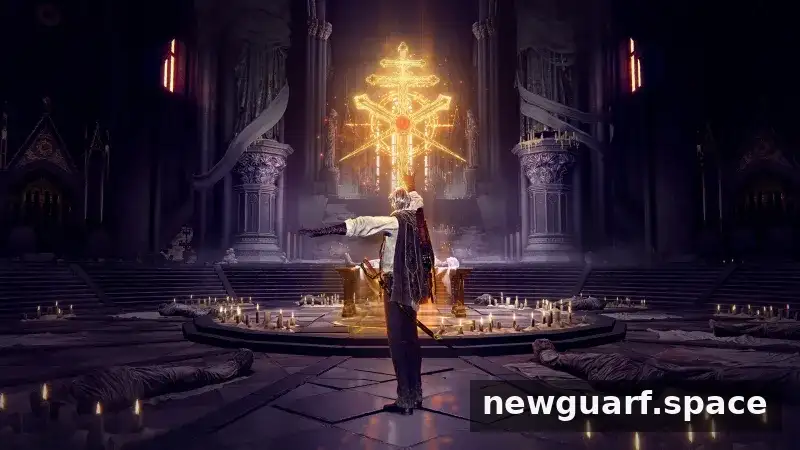
Eliminations begin in Phase II, when the three lowest-ranked players are removed. Phase III eliminates two more, leaving the top three to advance. These stages also introduce Ritual Sites, where players can seek large Virtue rewards by fighting rivals or capturing and defending special points.
Winning PvP fights at a Ritual Site grants Sword Virtue. Players who prefer another approach can activate golden symbols to earn Pledge Virtue. However, rivals can steal an activated Pledge, so staying nearby to defend it may be necessary. Because Ritual Sites open near the end of Phases II and III, they often create a rush as players try to improve their standing or block competitors.
Random Events add match-wide hazards and objectives. One brings a zeppelin that rains fire over the map. Another periodically teleports all players to random locations instead of striking them with lightning. Other Events send players to ring a bell at the top of Lowarno City’s tower or reward whoever can hold a fallen star’s shard until the phase ends. When an Event appears, check its objective quickly and consider whether the reward is worth the risk.
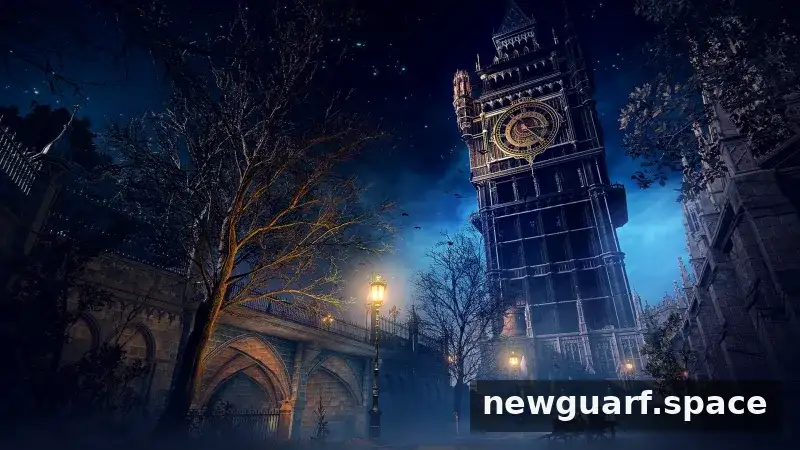
Phase IV is an arena battle between the final three players, and the last one standing wins. Arenas vary in design; one has no walls, allowing players to fall or be thrown from the edge. Each competitor has two lives, with a third death resulting in elimination.
The final round is challenging, particularly when opponents have levelled-up characters and powerful Kin. Players can attempt to conserve resources and let rivals fight, but opponents may recognize the strategy and target them together. Reaching the finale through exploration and careful Virtue gathering is possible, but Phase IV puts a strong emphasis on direct combat.
The preview included one map, Lowarno City, with three maps planned for the full game. The city is vertically layered and contains areas such as a cathedral, caves, underground ruins, a poisonous marsh, and a large bell tower. Special chests can improve melee weapons with elemental effects, including fire, lightning, and poison. Its scale leaves room to explore while keeping encounters with other players possible.
The Value of Teamwork
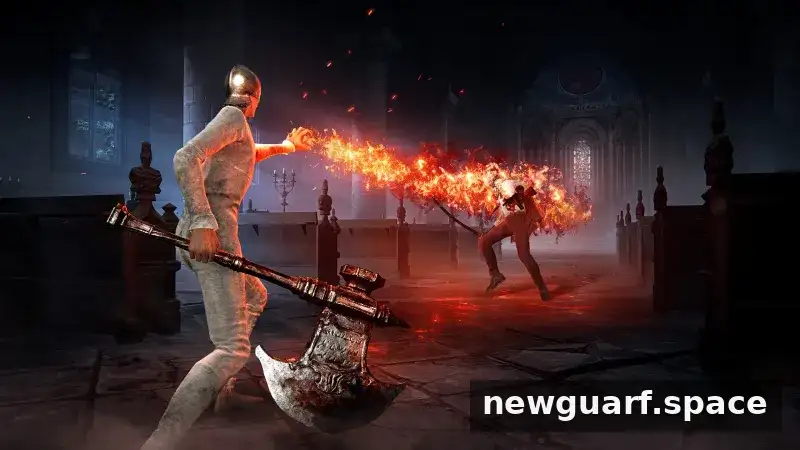
Although The Duskbloods is competitive, players can cooperate through informal coordination or a formal arrangement called an Alliance. An Alliance begins when one player makes an offer and the other accepts. Partners cannot damage each other and share certain rewards for the rest of the Dusk Battle.
Alliances can be formed before Phase IV. If both partners make it to that final stage, the agreement ends and they become opponents. A player who ends an Alliance early must give up some Virtue to their former partner, and may lose other resources as well. Forming a partnership can help a player near the bottom of the rankings improve their chance of surviving a phase.
Duos Mode is a separate format for teams of two, with four teams competing in a match. Teammates cannot hurt each other and share Virtue and weapon enhancements. One team is eliminated per round. In Phase IV, the top two teams face off, sharing a pool of two lives.
A Story Told Through Battle
Multiplayer is central to The Duskbloods, but FromSoftware says the game will also build a narrative. The House of Night contains an NPC on its second floor who will not be available until the full game launches. Miyazaki said that speaking with this character over time will help players learn more about the story.
Bloodlines, a customization system connected to the Bloodsworn, also reveals background details as players use particular characters in multiplayer. Progress can uncover information about their histories and relationships. Sigils and Events contribute to this approach, too: unexpected situations and interactions during matches can unlock Bloodlines and reveal more about the characters involved.
This means that story details are not limited to conversations in the hub. Match-specific encounters and player choices can shape what each person discovers, giving multiplayer events a role in how the narrative unfolds.
A Promising First Impression
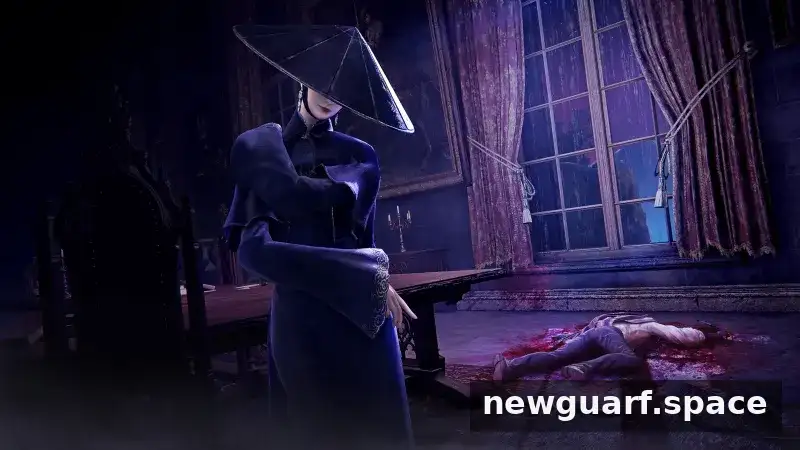
The Duskbloods does not require players to depend on friends or coordinate with a random teammate to make progress. Players can compete alone, gathering Virtue through exploration and fights against AI enemies while limiting encounters with other competitors. That flexibility is a key part of its appeal: avoiding PvP is not the same as opting out of the competition.
The combination of a timer and a Virtue threshold adds pressure to exploration, while the match structure gives players room to choose an approach suited to their character and skill level. Lowarno City’s variety also supports this freedom, offering different routes and locations to investigate. The result is a competitive game with some of the atmosphere and exploratory appeal associated with FromSoftware’s other worlds.

Different Bloodsworn support different playstyles. Sniper Layla suits players who want to attack from range, while Zork is a heavier option built around powerful strikes. Matches can turn on a mix of combat skill, planning, and chance, with Events, hidden rewards, and other players making outcomes difficult to predict. The Switch 2 preview build performed smoothly during the session.
Several details remain unknown, including the full story, how Switch 2-specific features may be used, and the game’s post-launch plans. Still, the preview suggests that The Duskbloods gameplay has room for both tactical exploration and intense final-round fights. Its blend of solo-friendly decisions, competitive objectives, and FromSoftware-style world design makes it a multiplayer experience worth watching.
