admin
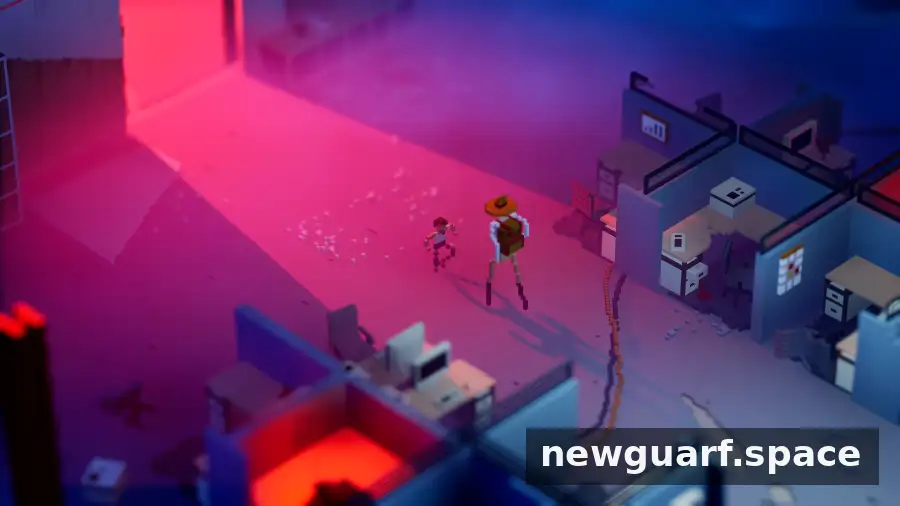
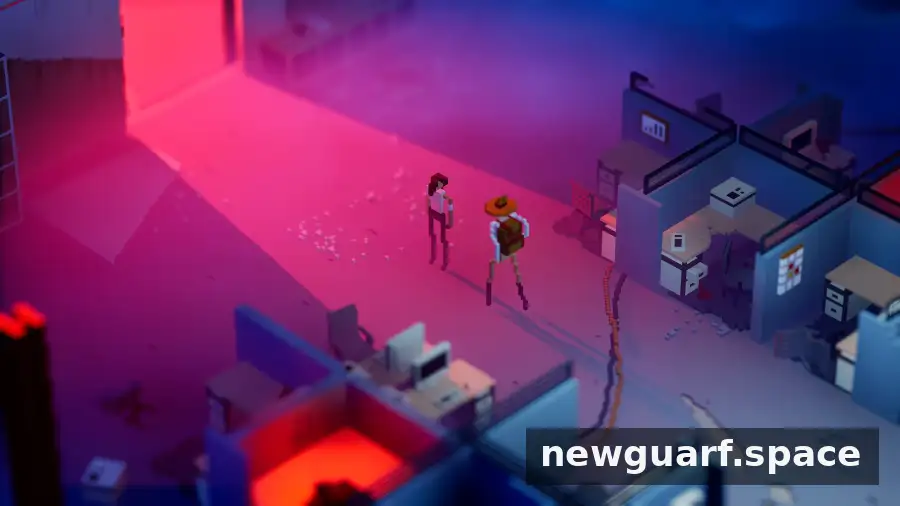
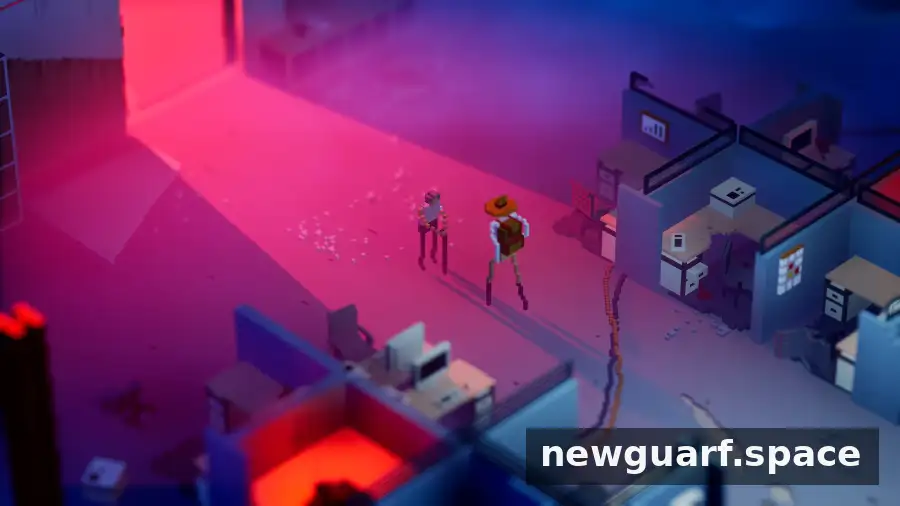
The Erosion game pairs twin-stick shooting and roguelike dungeon runs with a time-travel story built around a race to save the protagonist’s daughter. Each death moves the world forward by a decade, so choices can reshape the places and characters players encounter on later runs. Its voxel art and unusual setting give the action a distinctive style, while the changing timeline adds consequences beyond simply restarting after defeat.
How the Erosion Game Connects Death and Time
In Erosion, the player’s goal is to save their daughter, but dying advances time by ten years. The developers say the game has no conventional fail state, although the presentation does not explain exactly how the story’s timeline ends. That uncertainty makes the passage of time central to the game’s stakes: taking risks in a dungeon may also affect what happens in the wider world.
As you play, keep in mind that a run is connected to the larger story. Death is still part of the roguelike structure, but each defeat can change the date and the state of the overworld.
Explore Neu Amsterdam and a Changing Overworld
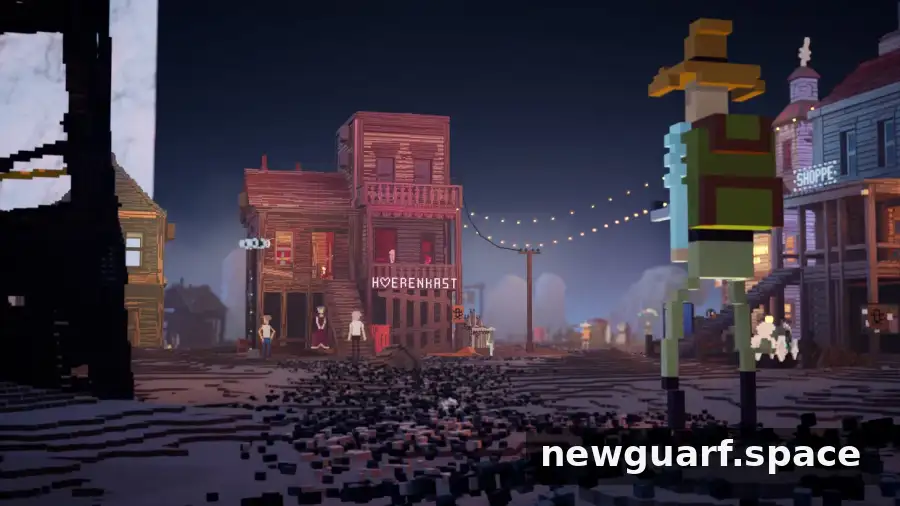
Between dungeon runs, players can explore an overworld that includes the town of Neu Amsterdam and an open countryside with a spaghetti-western feel. The preview also showed glimpses of swamp and desert environments. Neu Amsterdam is one of several biomes, and vehicles provide a faster way to travel; the game also features a racing minigame.
Decisions in the overworld can have effects that last across decades. For example, helping a shopkeeper drive chicken cultists from his farm leads to a future in which the shopkeeper uses his wealth to rule the town. Supporting the cultists instead results in the town being wiped out, with an ancient summoning ritual underway when the player returns ten years later. If both groups are eliminated, the town becomes a ghost settlement occupied by aggressive squatters.
These examples show why it is worth paying attention to who benefits from a choice. The same location may look very different the next time you visit it.
Twin-Stick Combat, Weapons, and Bosses
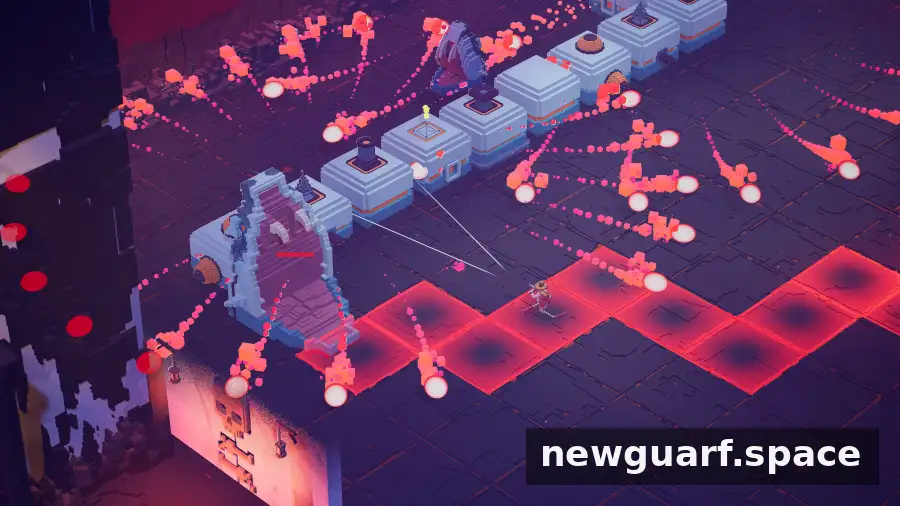
The dungeons focus on combat and use familiar roguelike elements. The developers describe a collection of more than 100 weapons and skills. Gameplay shown in the preview includes guns, bows, and even a chicken used to fight waves of zombie-like enemies. Players can also unlock passive and special abilities.
Boss encounters draw inspiration from classic video games. A giant snake resembling the one in Snake appears in the demonstration, while the developers also mentioned bosses based on Pong, Tetris, and Dance Dance Revolution. The voxel art makes destruction a visible part of combat: enemies and objects break into small rendered blocks when destroyed.
Revisiting the Timeline
After progressing far enough, players can unlock the ability to travel backward in time. This lets them explore different timelines within one save file, while preserving the option to see how earlier decisions changed the world. The ability is not available immediately, so the game first establishes the consequences of moving forward through time.
For players who enjoy experimenting with branching outcomes, this system may make it easier to compare the results of different choices. It also means the story’s consequences are not necessarily permanent once the time-travel ability becomes available.
What to Know About Erosion
The Erosion game is being developed by Plot Twist and is planned to launch in early access on Xbox and PC in Spring 2026. The preview introduced its time-based story, explorable overworld, and combat-focused dungeons, but left some details—including the timeline’s endpoint—unanswered.
With its mix of twin-stick action, decade-spanning choices, and roguelike replayability, Erosion offers a distinctive take on the genre. The key feature to watch is how each run changes the world: in the Erosion game, surviving a dungeon is only part of the story.