 admin

Nioh 3 builds on the series’ demanding, loot-focused action while introducing changes that could make this sequel feel substantially different. A hands-on preview of its mid-game content revealed two switchable combat styles, more expansive environments and a story that travels across centuries of Japanese history. The result retains the series’ familiar intensity while giving players new ways to approach its battles and exploration.
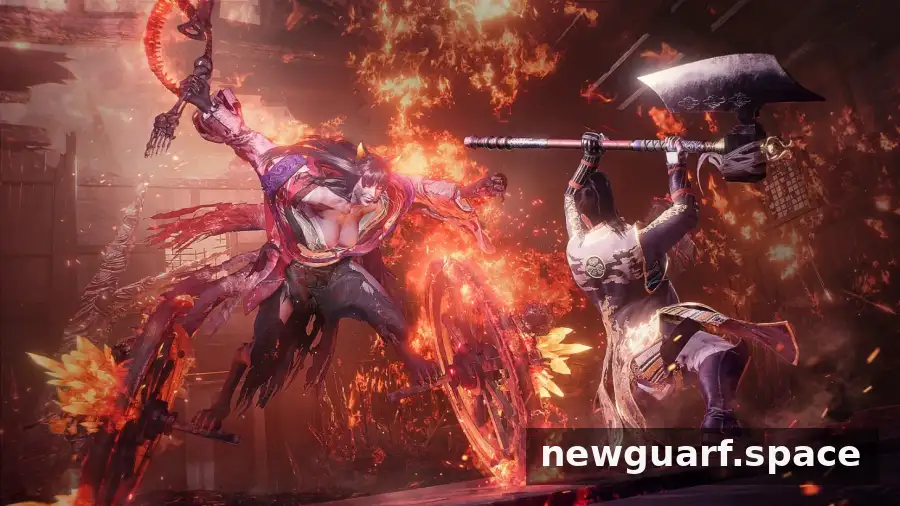
Nioh 3 combines familiar combat with a new Ninja style
The story takes place during Japan’s Sengoku period and follows Tokugawa Takechiyo, a warrior positioned to become the next Shogun. His younger brother seeks power by unleashing yokai across the country, transforming Japan into a demonic landscape. A mysterious time-travel element then expands the adventure across roughly 600 years of feudal Japanese history.
Team Ninja head and game director Fumihiko Yasuda has described the sequel as an opportunity to make a bigger leap than the transition from Nioh to Nioh 2. The new combat structure reflects that goal: players can switch between Samurai and Ninja styles during a fight, and each has its own strengths and equipment.
Samurai and Ninja offer different approaches
Samurai will feel familiar to returning players. Its four sword stances support powerful attacks, while the Ki Pulse helps recover stamina when timed after attacking. Guardian spirits can also provide supernatural assistance.
Ninja is designed around speed, evasion and Ninjutsu tools. Instead of Ki Pulse, it uses Mist, a spinning dodge that restores stamina and can help position the player behind an opponent. That makes it useful for taking advantage of the style’s increased back-attack damage.
Switching styles is also part of the defensive toolkit. A well-timed change just before certain crimson-tinted enemy attacks triggers Burst Break, combining the switch with a forceful counter. Players can experiment with the timing in combat to make the most of this response.
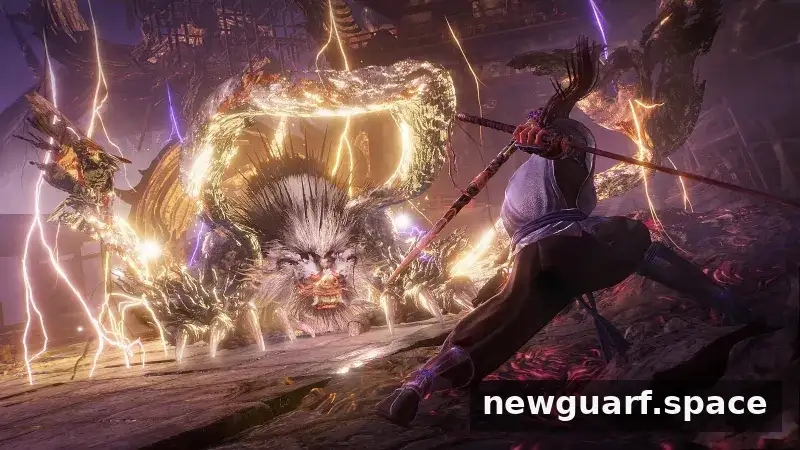
Ninja equipment includes options such as shuriken, caltrops and a fireball-style ninpo technique. Caltrops can deal light damage and sometimes stagger foes, creating a brief opening to attack. Yasuda has explained that the Ninja style was chosen both to represent another recognizable part of Japanese culture and to contrast with the grounded strength of Samurai combat.
Living Artifact rewards effective fighting
Successful combat builds a spirit meter that can activate Living Artifact, temporarily turning the player into a powerful, deity-like force. The transformation enables broad, heavy attacks that can overwhelm groups of enemies. It is not unlimited, however: the meter drains over time, and taking damage reduces it further.
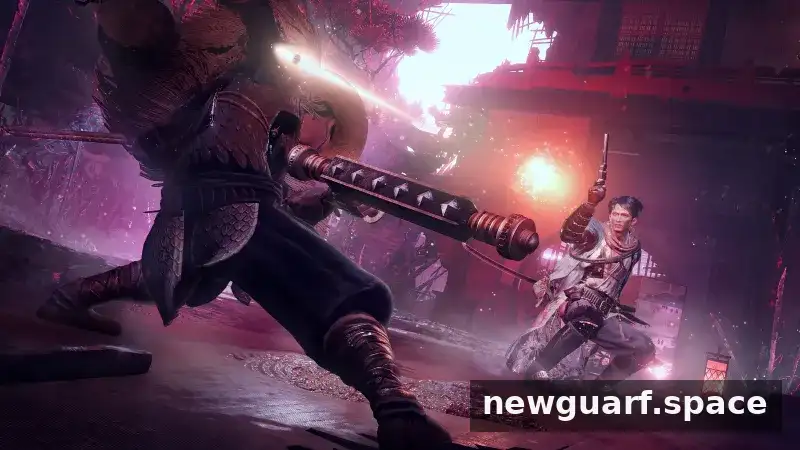
Samurai and Ninja have separate weapons, armor, guardian spirit attacks and skill trees. This gives each style the feel of a distinct character, but also adds more systems to learn. The demo’s mid-game build made the range of options seem extensive. Team Ninja says players do not need to master everything to finish the game; choosing one style and focusing on it is also possible.
More open areas change how Nioh 3 is explored
Earlier entries used mission-based level selection, while Nioh 3 moves toward larger areas with multiple routes and more direct transitions between locations. A traditional map helps players track their position and identify missed collectibles, including those they may want to find when revisiting an area. Fast travel between shrines is available, too.
For practical exploration, check the map when backtracking: it can make locating overlooked items easier. Taking alternate paths may also lead to secrets, including hidden Kodama spirits.
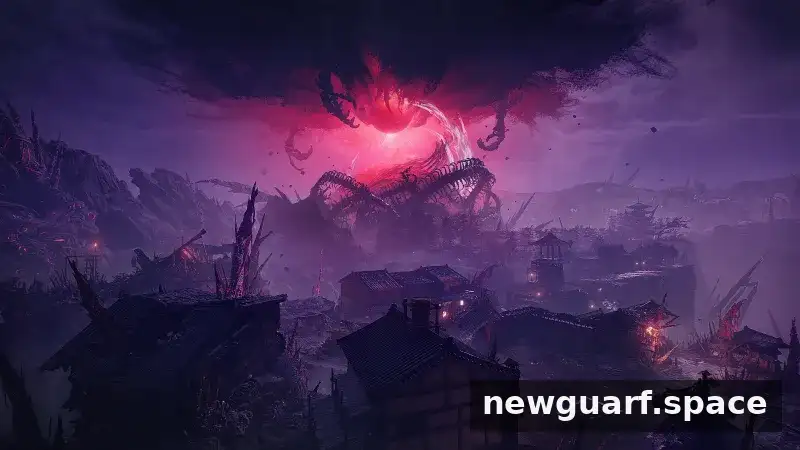
Some optional destinations are called Crucibles. These gated areas contain tougher enemies but can reward players with higher-quality loot, such as rarer weapons and armor. One previewed Crucible led to a ruined Kyoto in 1864, where demonic mountain spires and a crimson sky set the scene for a dangerous route toward the city center.
Difficulty, progression and what to expect
Nioh 3 is still built around challenging fights. Team Ninja has compared its difficulty with Nioh 2, while noting that larger zones offer players more ways to approach obstacles. The preview’s pre-built character made it difficult to judge the overall challenge, but a battle against the gun-wielding swordsman Takasugi Shinsaku delivered a demanding encounter involving both ranged attacks and deliberate sword strikes.
Each weapon type has its own skill tree, with new moves to unlock for weapons such as katana, dual axes and spears. Concentrating upgrades on a preferred weapon can help players develop a focused fighting style. Spreading points across many weapons may offer variety, but it also means progression is divided among more options.
Overall, Nioh 3 appears to preserve the quick, punishing combat and extensive equipment systems that define the series while making room for a more agile Ninja approach and broader exploration. Players who prefer speed can focus on that style, while those who enjoy precise stamina management can stick with Samurai. These changes give Nioh 3 a more distinct identity without abandoning the demanding action its audience expects.
