admin
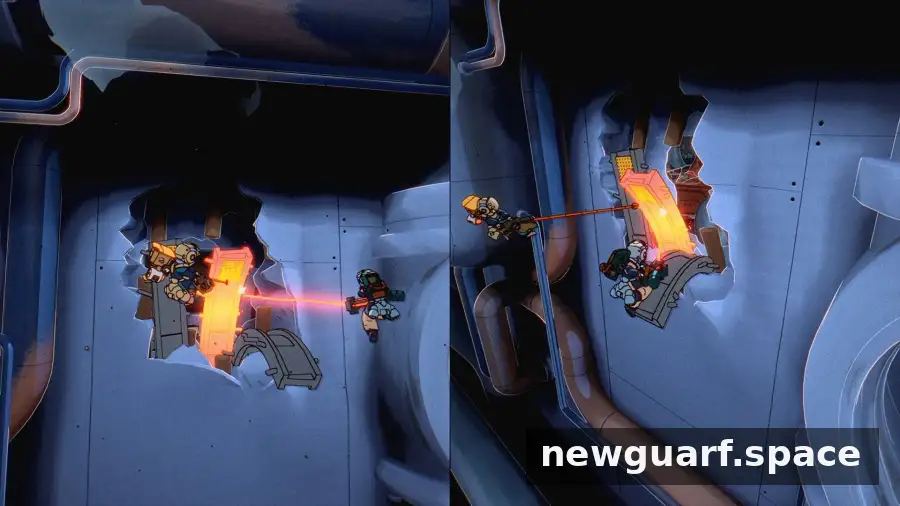
The Orbitals game blends cooperative puzzle-solving with colorful science-fiction adventure and anime-inspired art. Shown at Summer Game Fest 2026, the game follows Maki and Omura as they explore a spacecraft, tackle environmental challenges, and work together to make progress. Its split-screen presentation keeps both characters in view, making communication and coordination central to the experience.
Orbitals game: co-op puzzles built around teamwork
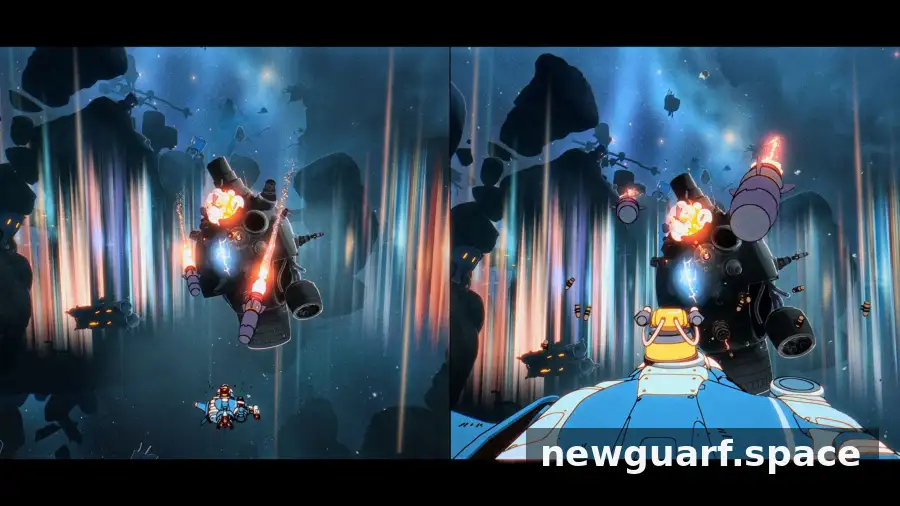
Developed by Shapefarm and published by Kepler Interactive, Orbitals is a co-op puzzle-adventure. Its split screen gives Maki and Omura their own sections of the display, so players can follow what each character is doing while navigating the same challenge. The format may feel familiar to players who enjoy couch co-op games, and game director Jakob Lundgren previously worked as a designer at Hazelight Studios on A Way Out, It Takes Two, and Split Fiction.
The opening section introduces players to life aboard a ship among the stars before moving into exploration and puzzles. Maki and Omura can carry different tools, including the Scrap Hook and Beam Cannon. Each has a clear purpose, but some solutions depend on using a tool in an unexpected way. For instance, the Beam Cannon can melt steel or power a generator cell, helping a partner reach another part of a station.
Practical tip: Talk through what each person can see and try to connect the tools’ functions to the objects around you. Some puzzles require one player to activate or adjust something so the other can move forward.
Exploration, timing, and shared problem-solving
Orbitals’ challenges ask both players to stay involved. Finding a route through a derelict spacecraft or a complicated mechanism can involve testing how tools interact with the environment, then coordinating jumps and actions. The preview’s puzzles were not presented as especially difficult, but they demand attention; a missed beat or mistimed jump can mean starting a section again.
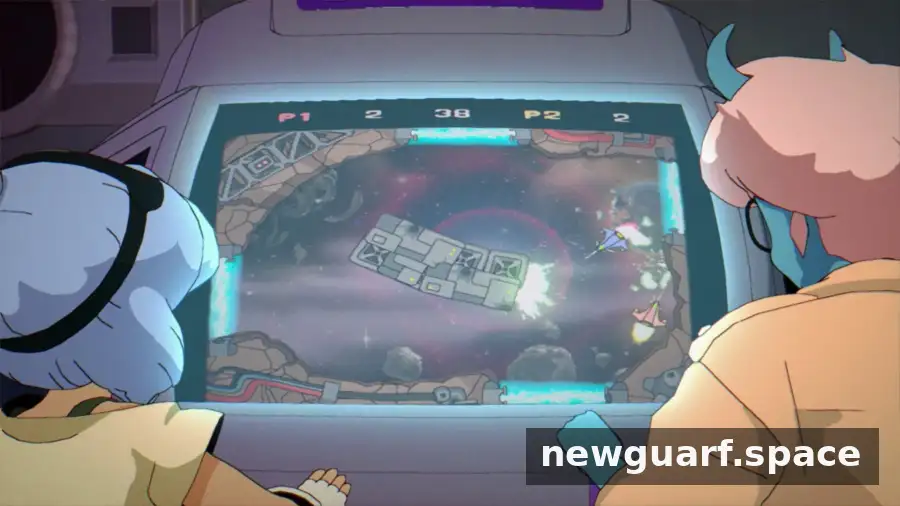
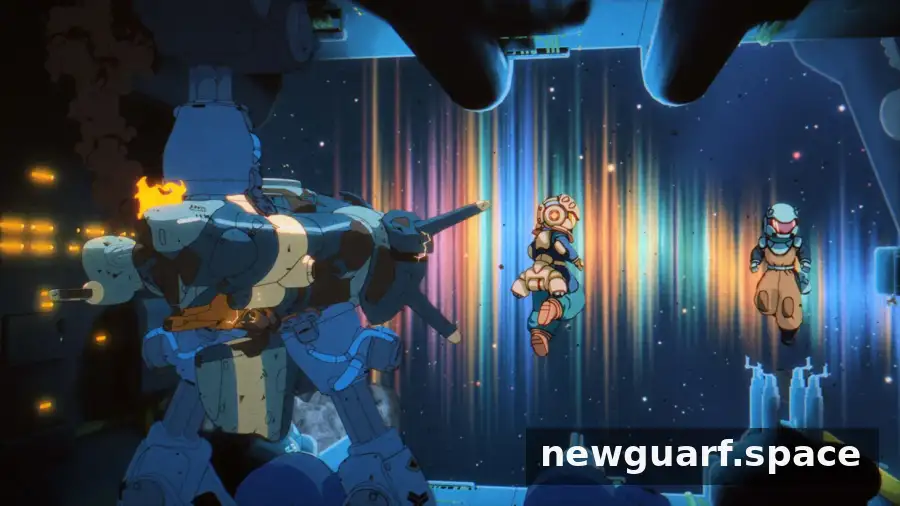
That makes clear communication useful, particularly during timed platforming. Rather than having one player handle the main task while the other waits, the opening puzzles give both characters a role in making progress. The preview also shifts between puzzle sections, platforming, and piloting a ship together through space, adding variety to the cooperative play.
Anime-inspired visuals and an atmospheric soundtrack
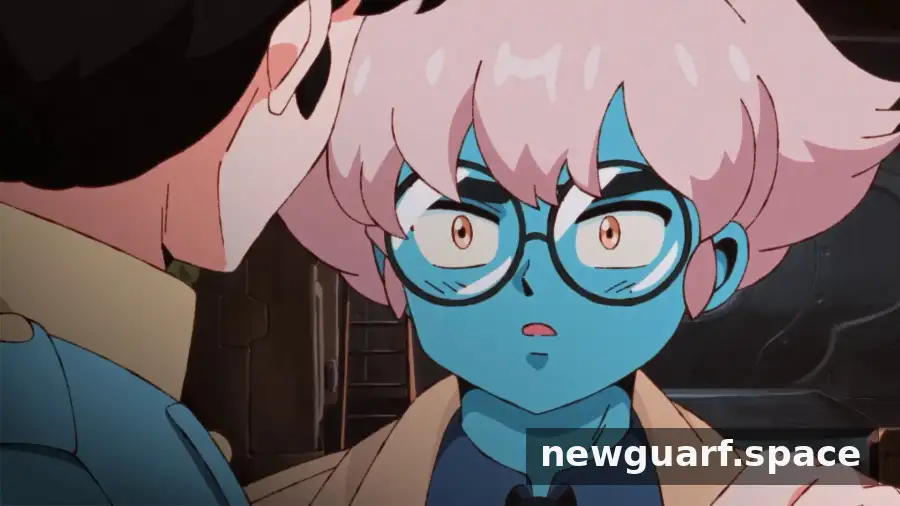
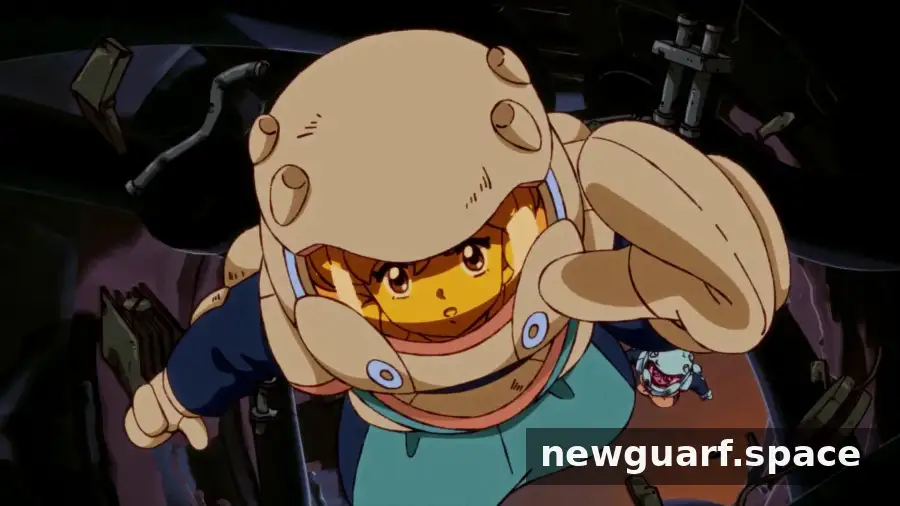
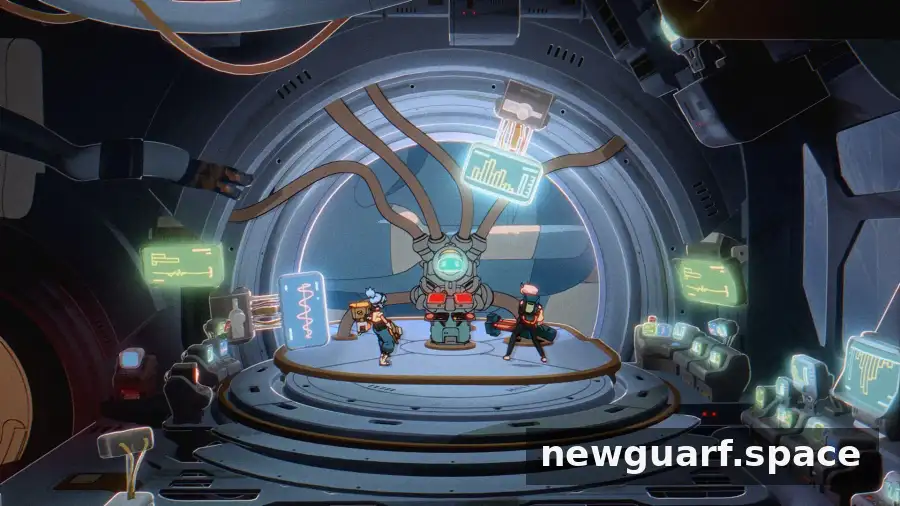
The game’s visual style draws on several recognizable anime traditions. Character designs may remind viewers of Ranma ½, while the ship’s mechanical look evokes Cowboy Bebop. A bright space hub also carries a sense of Studio Ghibli-inspired wonder. These references are woven into the game’s own art direction rather than serving only as visual decoration.
Small character interactions and emotes help give Maki and Omura personality, with voice acting adding to their dynamic. The soundtrack moves between synth textures, moody piano, and a prominent bass line. Together, the audio and visual details support the feeling of an adventurous journey through space.
What to expect from the Orbitals game
The preview presented Orbitals as a blend of cooperative puzzles, action, exploration, and animated cutscenes. Its split-screen layout and tool-based challenges make working together the core of the experience, while the anime-influenced presentation gives the adventure a distinct identity. The game was positioned as a title to watch for co-op fans with a Switch 2, with a possible September arrival mentioned in the preview.
For players considering the Orbitals game, the key appeal is its combination of active teamwork and playful science-fiction atmosphere. Expect to communicate, experiment with tools, and coordinate movement rather than simply solving each puzzle alone.