 admin

Death Stranding 2: On the Beach builds on the original’s unusual mix of exploration, delivery missions, and shared world-building. After spending four days playing more than 25 hours of the sequel—around 40 percent of the experience, according to director Hideo Kojima—the preview points to a game that strengthens the first title’s best ideas while making combat and storytelling easier to engage with.
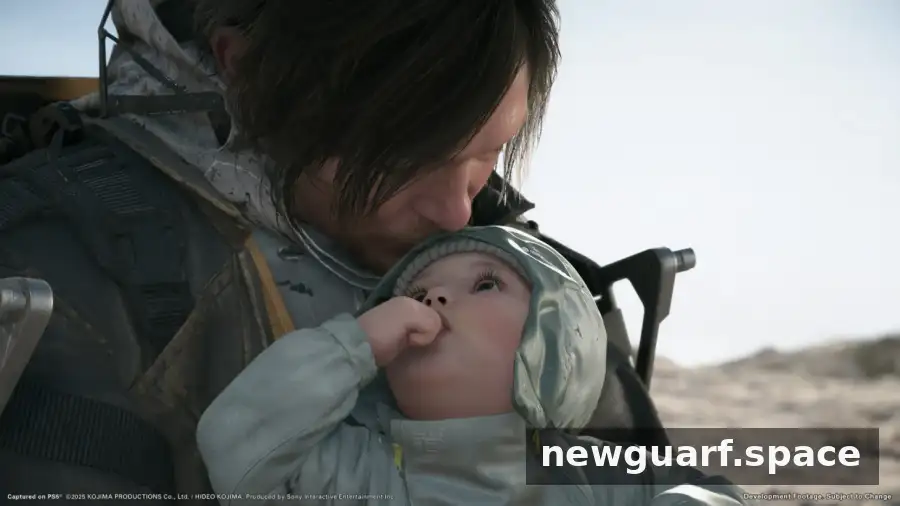
Death Stranding 2: On the Beach improves on the original
The first Death Stranding was a distinctive but uneven experience. Its long journeys across rugged landscapes, careful cargo management, and shared infrastructure projects could be rewarding, while combat and some major encounters felt less suited to its central delivery-focused gameplay. The sequel appears to respond to those contrasting strengths and weaknesses without losing the qualities that made the original stand out.
Its world is visually striking, with detailed terrain, foliage, and lighting powered by Guerrilla Games’ Decima engine. On a base PS5, both graphics settings looked impressive during the preview. Performance Mode is a practical choice for players who value smooth action: it runs at 60 frames per second, with some grass pop-in noted as a drawback. Quality Mode offers sharper visuals, so the best setting depends on whether image detail or responsiveness matters more to you.
A new mission and a more engaging crew
The story begins 11 months after the first game. Sam Bridges has helped reconnect the United States as the United Cities of America, then left the government and disappeared with Lou, his former BB. Fragile eventually finds him and asks him to resume his porter work, this time connecting communities in places including Mexico and Australia.
Fragile leads Drawbridge, an organization whose members include Dollman, Tarman, Rainy, and Tomorrow. The group’s mobile headquarters, the DHV Magellan, gives Sam more opportunities to interact with his new companions. Tarman is a ship captain with a difficult past, Rainy brings an upbeat presence, and Tomorrow—played by Elle Fanning—has mysterious origins and a remarkable power. Dollman’s talkative, eccentric personality also makes him a memorable member of the crew.
These characters help give the sequel a different group dynamic from the Bridges team. If you find a large cast difficult to keep track of, the game’s reference tools can help make conversations and story developments easier to follow.
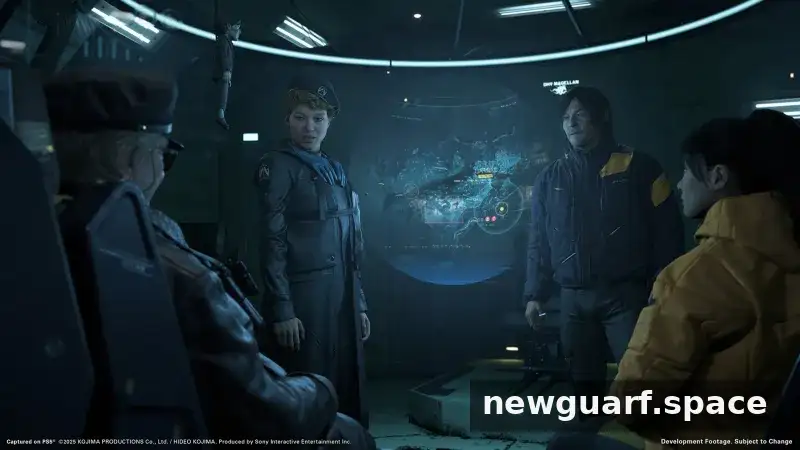
Clearer storytelling and varied environments
The sequel’s narrative has more established context to build on, and a new interactive encyclopedia called Corpus makes its lore more accessible. During cutscenes, key terms can appear on screen. Pausing with the Options button opens relevant information, while Corpus also includes a glossary, character profiles, and an evolving summary called The Story So Far. These features are useful for reviewing details without losing track of the main story.
Exploration also benefits from a wider range of landscapes. The preview included Mexico and Australia, moving between arid, rocky terrain and lush forests. Dynamic weather adds practical obstacles: sandstorms can make travel more difficult, while falling fireballs can trigger a bushfire. Before setting out on a delivery, consider the terrain and conditions, as both can affect how safely you transport cargo.
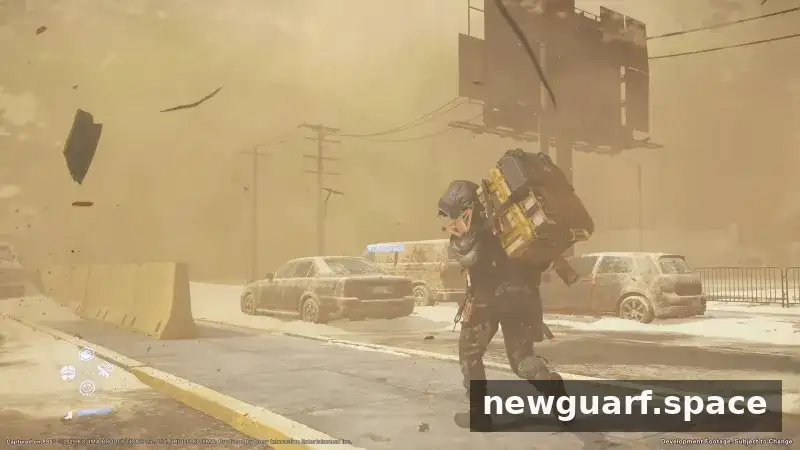
Delivery tools, shared construction, and combat
Reconnecting survivors to the Chiral Network remains central to the experience. Players still need to arrange cargo on Sam’s back and plan routes across long distances, but the sequel makes transportation more accessible early on. A motorcycle-like Tri-Cruiser becomes available within the first couple of hours, offering a quicker way to cover ground than the vehicle progression in the original.
Community construction returns, with players able to contribute roads, bridges, and other infrastructure that others can use and maintain. New monorail systems add a more involved option for moving materials from mines. These systems give players who enjoy planning and building more ways to support travel across the game world.
Combat is a major area of improvement. Encounters offer more freedom to rely on stealth, use firearms, or switch tactics during a fight. New equipment includes decoy holograms and a boomerang that can damage BTs. The weapons encountered in the preview incapacitated enemies rather than killing them; for example, the sniper rifle used tranquilizer rounds. This approach supports the game’s caution around deaths and the risk of a voidout, an explosion compared to an atomic blast.
Boss encounters also combine visual spectacle with gunfights against designed adversaries. For players who found the original’s combat slow or preferred to avoid fights, the sequel’s expanded options may make confrontations more appealing.
Kojima’s humor and hidden moments
The sequel retains the series’ eccentric tone. Dollman’s interactions, playful ways of dealing with enemies, and references to Metal Gear provide moments of humor. Higgs, who was a divisive presence in the original, is presented here as a more exaggerated, guitar-playing cybernetic figure.
Exploration may also reveal scenes and content that are not guaranteed to appear in every playthrough. One action-heavy cinematic seen during the preview could be missed by players who took a different route around the relevant area. That makes route choices worth considering: following an optional path may offer more than a shortcut, although the preview did not reveal every possible discovery.
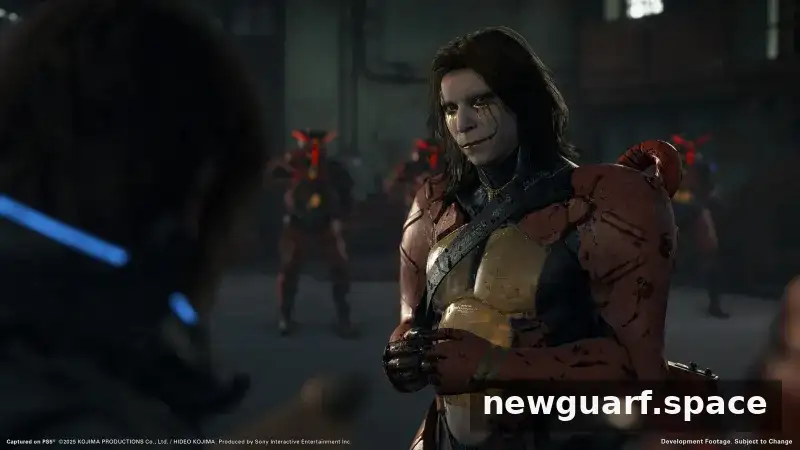
Preview verdict
After 26 hours across four days, Death Stranding 2: On the Beach left a stronger impression than its predecessor did for this preview. It preserves the appeal of deliveries and cooperative construction while introducing more varied environments, quicker access to transport, clearer lore references, and more flexible combat. The preview covered a substantial portion of the game but did not include every optional mission, weapon, gadget, or potential story moment, so it cannot account for the full experience.
Death Stranding 2: On the Beach is scheduled to launch on PlayStation 5 on June 26. For players interested in exploration, delivery planning, and a deliberately unconventional story, the sequel’s expanded systems and more approachable combat make it a promising continuation of the series.
