 admin
Death Stranding 2: On the Beach may feature unusual characters and dramatic encounters, but long-distance deliveries remain central to the experience. The game builds on the original’s cargo-focused gameplay with vehicles, new infrastructure, and additional ways to move supplies. These systems make Death Stranding 2’s journeys more flexible while keeping route planning and careful cargo handling important.
Death Stranding 2 Makes Deliveries More Flexible
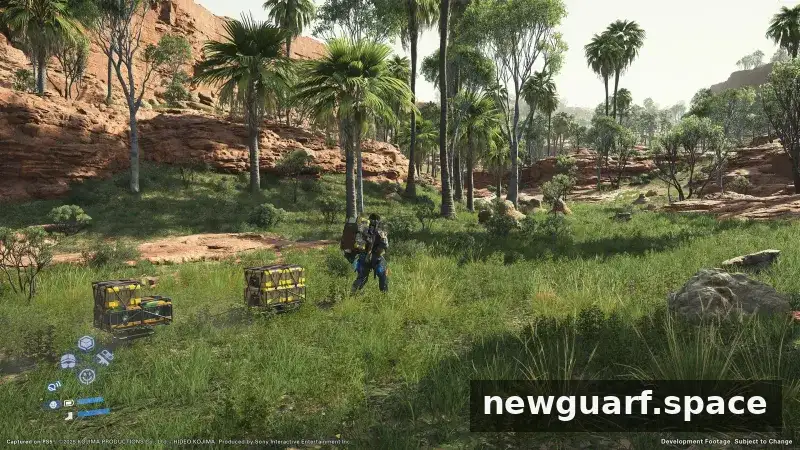
Sam still needs to balance packages on his backpack. Carrying too much or stacking cargo too high can make him more likely to lose his footing, especially on steep or uneven ground. Securing items with his Strand helps reduce the chance of cargo spilling if he falls, so it’s worth using before setting out on a difficult route.
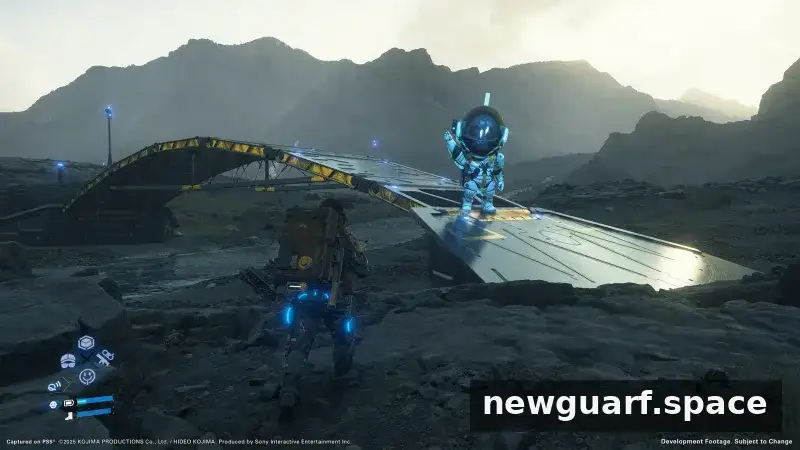
Some useful equipment from the first game, including the floating carrier, becomes available earlier. Battery-powered skeletons also return in Speed and Power variations, alongside a combat-focused model that offers added protection during fights. Together, these tools let players adapt their loadout to the distance, cargo, and hazards ahead.
Vehicles for Speed and Cargo Capacity
Vehicles become available early in the journey. The Tri-Cruiser is a fast motorcycle that can carry extra cargo, while the larger Pickup Off-Roader trades some speed for substantially more storage. Its covered roof also helps shield cargo from Timefall, the weather phenomenon that accelerates the passage of time, and other environmental effects.
Players can customize vehicles with accessories such as extra batteries for travel beyond the Chiral Network and armor to improve durability. Optional tools add practical functions: a gun turret can attack nearby threats, while a retractable cable can retrieve cargo and resources from the ground. The cable is especially handy when collecting items along a route, since Sam can avoid stopping and getting out for every pickup.
Build Monorails to Move Supplies
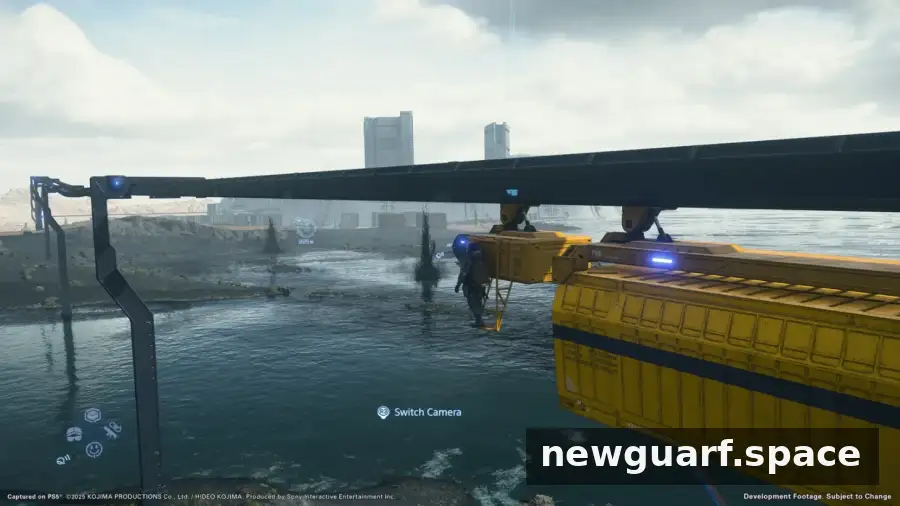
Monorails offer a way to transport large quantities of goods across long distances. Players can contribute materials to restore incomplete sections of track, much as they do when building roads and other infrastructure. Ziplines between restored sections provide a quick way to carry materials while connecting gaps in the network.
Once operating, monorails can carry resources, vehicles, and Sam. They are particularly useful for moving materials from mining facilities, which provide supplies needed for construction. Planning a route that links a mine to places where materials are needed can reduce the amount of cargo Sam has to carry himself.
More Useful Structures and New Jobs
Returning structures gain extra functions. Timefall shelters can deploy blood-based defenses against nearby threats, and Sam can remotely operate nearby Watchtowers to survey an area and tag objects or enemies. These features can help players gather information or prepare for a dangerous stretch without approaching it first.
New Preppers also offer jobs involving live animals. An animal shelter in Australia asks Sam to rescue creatures so they can be cataloged, cared for, and, in some cases, rehabilitated. The Odradek Terrain Scanner can highlight small animals nearby; approach carefully, collect them, and later visit the shelter to check on their progress. When transporting a rescued animal, take the route’s conditions into account and avoid unnecessary risks.
The DHV Magellan, the Drawbridge crew’s ship, can fast-travel between designated major locations. It can also transport garaged vehicles and resources stored aboard, making it useful when a direct trip on foot or by road is less convenient.
What These Changes Mean for Death Stranding 2
From improved cargo handling to monorails and animal rescue, Death Stranding 2 adds more options for planning deliveries. Players can choose between traveling quickly, carrying more supplies, or investing materials in infrastructure that supports future trips. The game is listed as launching on June 26 for PlayStation 5.
