 admin

The Outer Worlds 2 combines satirical takes on corporate power with role-playing choices that can shape the game world. A hands-on session suggests that the sequel builds on the first game’s foundation with smoother combat, new movement options, more involved interior design, and expanded character customization. While the full scale of its environments and role-playing systems remains to be seen, the changes point to a more developed approach to both action and decision-making.
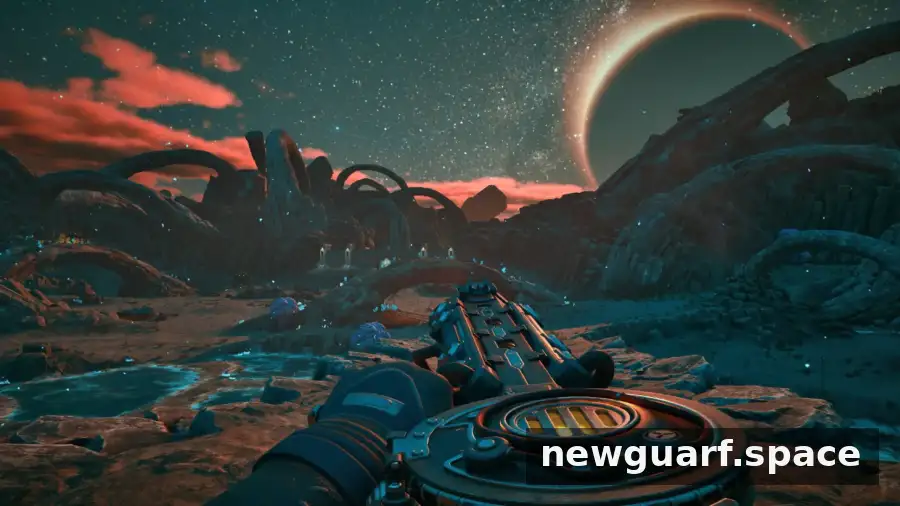
The Outer Worlds 2 expands its role-playing foundations
Developer Obsidian Entertainment appears to be refining several core elements rather than simply repeating the original formula. The session showcased new ways to move through environments and gunplay that felt smoother than before. More complex interior spaces may also add variety to exploration and encounters, giving players additional details to consider as they navigate locations.
Character building is another area receiving attention. The sequel offers a broader selection of perks alongside a reworked flaw system. These options are intended to support both familiar character builds and more experimental approaches. Because the available information does not explain every rule behind the updated system, players should wait for further details before settling on a particular build strategy.
Corporate satire and consequential choices
The game’s world features exaggerated capitalist characters and uses satire to examine its fictional society. That tone sits alongside morally complicated scenarios with significant stakes. Rather than treating these elements as separate parts of the experience, the game appears to connect its social commentary with choices that affect people and organizations.
Obsidian aims to make characters and groups respond more strongly to player decisions. Some choices may have long-lasting or permanent consequences, a level of reactivity the studio says it could not achieve in the original The Outer Worlds. This could make it useful to consider the likely consequences of a decision before committing, especially when a situation involves competing interests or uncertain outcomes.
What the preview reveals—and what remains unknown
The hands-on session offers an early look at improved fundamentals, but it does not establish how extensive the larger environments or deeper role-playing systems will be. Nor does it provide a complete picture of how the expanded perks and flaw mechanics work together. Those details will matter for players who enjoy planning character builds or seeing how different choices change a story.
For now, the clearest takeaway is that the sequel is developing its combat, exploration, and decision systems while retaining the series’ satirical outlook. The Outer Worlds 2 may appeal to players looking for an RPG where character customization and consequential choices sit alongside commentary on corporate power. More information will help show how fully these ideas come together across the complete game.
