 admin

The Screamer racing game combines arcade-style driving with an anime-inspired story about rivalry and revenge. Developed by Milestone, the studio behind MotoGP, Ride, Supercross, Monster Jam, and Hot Wheels Unleashed, it takes a less conventional approach than a straightforward race-to-the-finish experience. A hands-on preview offers an early look at its characters, driving controls, and high-risk combat mechanics.
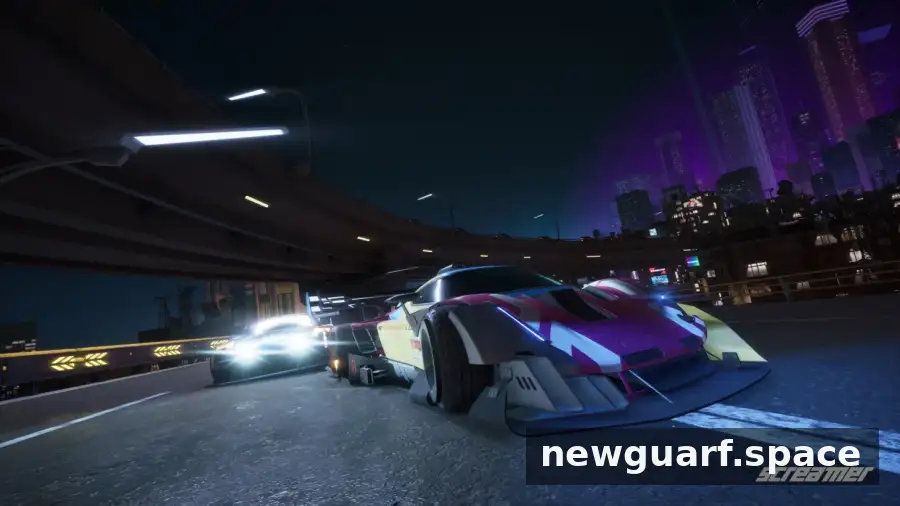
Screamer Racing Game Story and Characters
The story follows a team of three racers who enter a tournament seeking revenge against Gabriel. Hiroshi appears to be the central character, joined by Róisín and Frederic. The group, known as the Banshees, later adopts the name Green Reapers to hide its identity from Gabriel. The circumstances surrounding Quinn, who seems to have been another member of the crew, remain unclear in the preview.
Frederic speaks French, while the other characters answer in English. The game explains this with an implanted translator used by people in its futuristic setting; one character even has a device that translates a dog’s speech. As the story progresses, players take control of different characters, with Milestone promising that the tournament’s darker secrets will be revealed along the way.
The dialogue is witty and entertaining, though the preview leaves open how the story will develop across the full game. For players deciding whether the narrative is a draw, the shifting character perspectives and revenge-driven setup are key elements to watch.
Arcade Driving and Drifting Controls
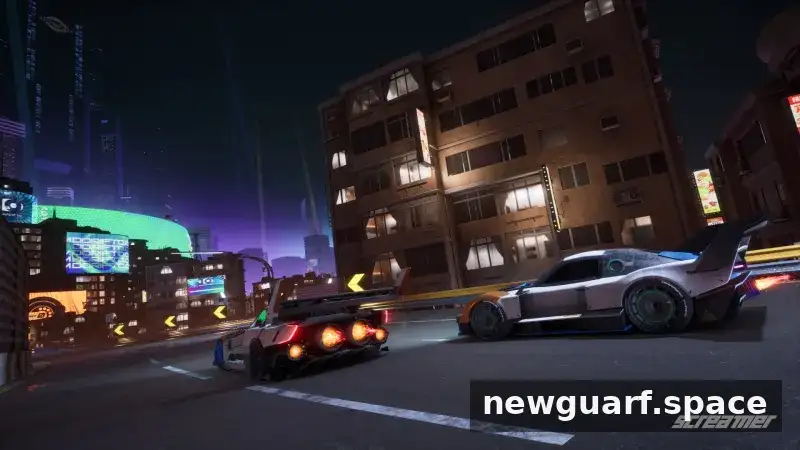
The driving aims for the feel of classic arcade racers. Cars handle corners without feeling overly strict, and drifting is assigned to the right stick while the left stick remains dedicated to steering. This differs from systems that require players to combine steering with an E-brake input.
The controls may take a few races to feel natural. Once they click, using the right stick to slide around a long corner can make drifting feel responsive and satisfying. A practical tip for new players is to focus on learning the steering and drift inputs before trying to manage the game’s combat systems at the same time.
Entropy, Shields, and Overdrive
Screamer adds several arcade-focused mechanics to its core racing. A quick-time-event-style boost provides another way to build speed, while the offensive and defensive options draw on the same resource: Entropy.
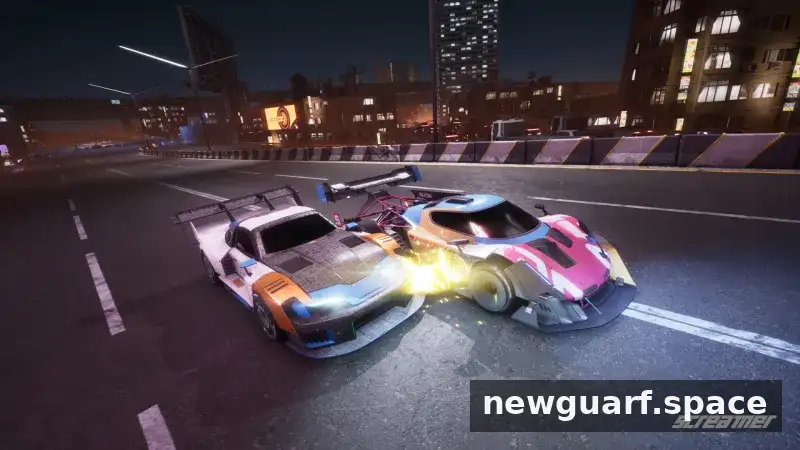
- Strike: Spend Entropy to gain a brief speed increase. Colliding with an opponent during the boost causes that vehicle to explode, so timing and positioning matter.
- Shield: Use energy to counter an incoming Strike. A successful counter refunds the energy, but the timing can be challenging.
- Overdrive: Activate this ultimate ability when all energy tanks are full. Other vehicles explode on contact, but hitting a track barrier also destroys your car.
These mechanics give attacks a counter or a risk, creating opportunities for tactical decisions rather than making aggression a guaranteed advantage. Players will need to balance spending energy on attacks with saving it for defense.
Early Impressions and Release Platforms
The preview presents Screamer as a blend of accessible arcade racing, anime-style storytelling, and combat-focused competition. Its drifting controls and shared offensive-defensive energy system help distinguish it from a conventional racer, while the larger story and its secrets will need to be judged in the finished game.
Screamer is listed for release on PS5, Xbox Series X/S, and PC on March 26. The Screamer racing game could appeal to players looking for fast arcade handling alongside a character-led narrative, though the full experience will determine how well those elements work together.
