admin

After more than a decade away from the spotlight, Joe Musashi returns in Shinobi: Art of Vengeance, a new 2D action-platformer developed by Lizardcube in partnership with Sega. The project is part of Sega’s wider effort to revive older franchises, pairing the series’ fast-paced roots with updated combat, expressive artwork and design aimed at contemporary players.
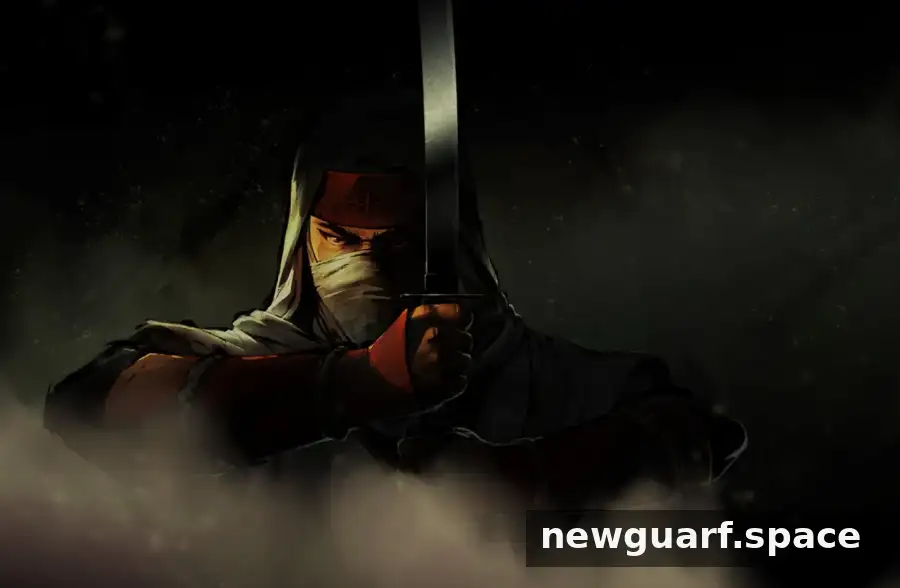
How Shinobi: Art of Vengeance brings the series back
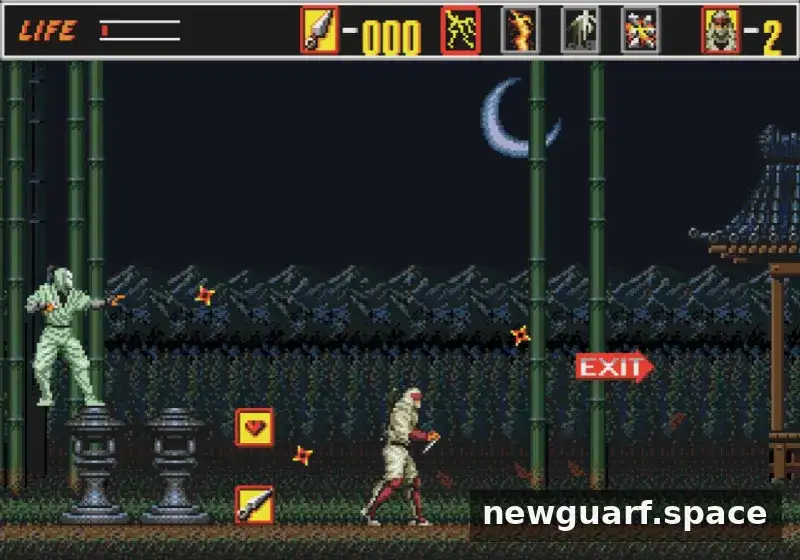
Sega introduced Shinobi in arcades in 1987, during a period when ninja stories were popular with mainstream audiences. The game’s success helped establish Joe Musashi as one of Sega’s early signature characters. It later reached platforms including the Sega Master System, PC and Nintendo Entertainment System, and led to sequels across arcades and systems such as Genesis, Game Gear, Saturn, PlayStation 2 and 3DS.
The series went quiet after Shinobi 3D launched in 2011. Sega released an enhanced version of the original game for Switch in 2020 through its Sega Ages collection, but fans had not seen a new mainline adventure for years.
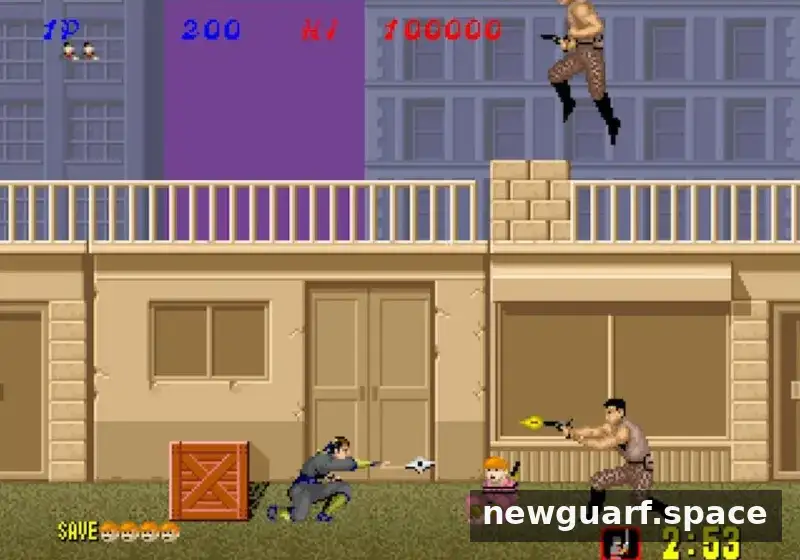
Shinobi was not the only Sega property to become inactive. The company’s extensive catalogue includes series such as Super Monkey Ball, Virtua Fighter, Golden Axe, Jet Set Radio and Crazy Taxi. Sega content production director Kagasei Shimomura has said that, while Sonic and Like a Dragon are important to the company, many fans also feel strongly about its other franchises.
Why Sega chose Shinobi for a revival
As part of a broader review of its classic properties, Sega considered ways to bring inactive series back and reach both longtime fans and new players. Shimomura, who also worked on Sega Ages, said enhanced re-releases alone would not be enough: the aim was to make new games that could satisfy existing audiences and introduce Sega’s history to a wider group.
Shinobi stood out as a natural starting point. Sega announced new projects for the series, Jet Set Radio, Golden Axe, Streets of Rage and Crazy Taxi at The Game Awards 2023. Shimomura also sees the original Shinobi as an important foundation for Sega’s action games, making it a fitting franchise to lead this revival effort.
Practical context: Players interested in the series can explore the Sega Ages edition to experience the original before trying the new game.
Lizardcube’s experience with classic Sega series
Sega selected Lizardcube, a Paris-based studio known for detailed 2D visuals and action-focused gameplay. The team had already worked on Wonder Boy: The Dragon’s Trap (2017) and Streets of Rage 4 (2020), both well-received returns to established Sega properties. Those earlier projects were licensed by Sega; this time, Sega took a more direct role as a development and publishing partner.
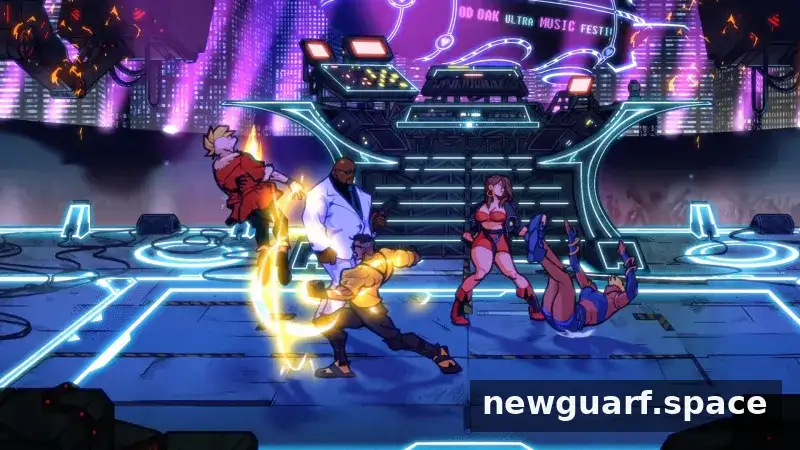
After Streets of Rage 4, Lizardcube CEO and creative director Ben Fiquet presented Sega with an idea for a new Shinobi. The pitch aligned with Sega’s interest in the franchise and impressed the company by balancing recognition of the original series with a fresh direction.
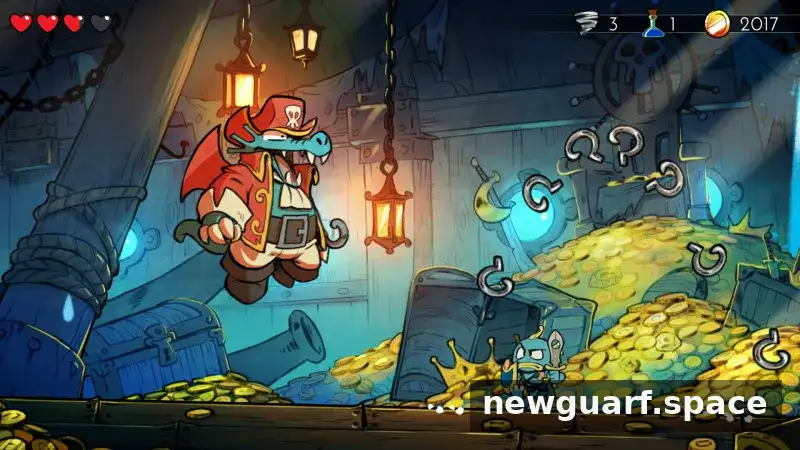
Fiquet has explained that nostalgia by itself cannot carry a modern game. Players may remember the original as a fast ninja adventure, but a new release also needs engaging systems and a clear appeal for people unfamiliar with the series. That principle shaped the team’s approach to Shinobi: Art of Vengeance.
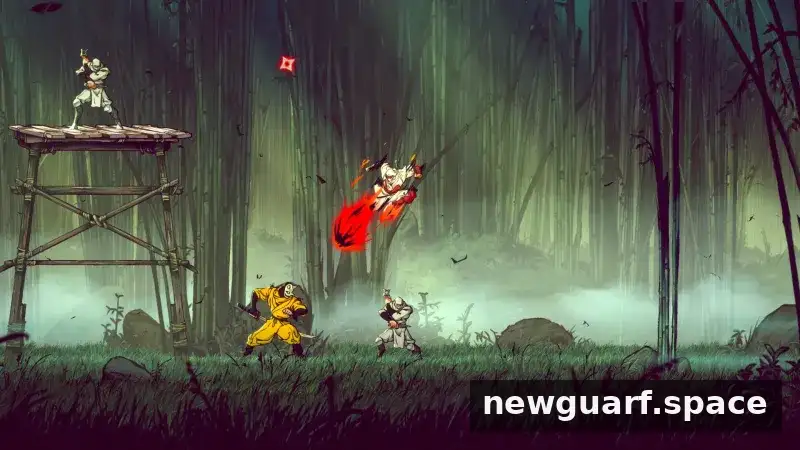
Modern combat built around Shinobi’s action-platforming roots
Lizardcube began by looking to the first three Shinobi games. Early prototypes followed their style more directly, but the team decided the fighting needed greater depth. The result combines platforming with beat-’em-up elements, including combos, a range of moves, powers and powerful special attacks.
Shimomura describes action-platforming as part of the franchise’s core identity. Sega wanted the new game to preserve that essential feel without simply reproducing an older title. For players, the expanded move set means combat choices can grow as they progress, while the platforming structure keeps the series’ familiar action at the centre.
A visual style shaped by Sega and Lizardcube
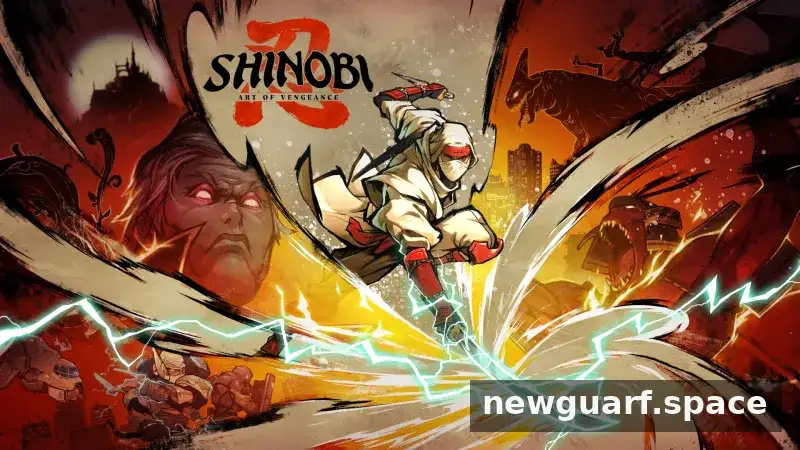
Sega’s involvement extended beyond approval and publishing. Producer Toru Ohara, who began working at Sega more than 30 years ago, and his team provided development feedback. They encouraged Lizardcube to make the visuals more expressive, with stronger brushwork and a more distinctive Japanese influence.
The teams discussed details such as brushstroke styles and building designs. The resulting look combines Lizardcube’s European artistic sensibility with Japanese-inspired elements. Sega also worked with the studio to keep the characters, setting and themes recognizably connected to the franchise.
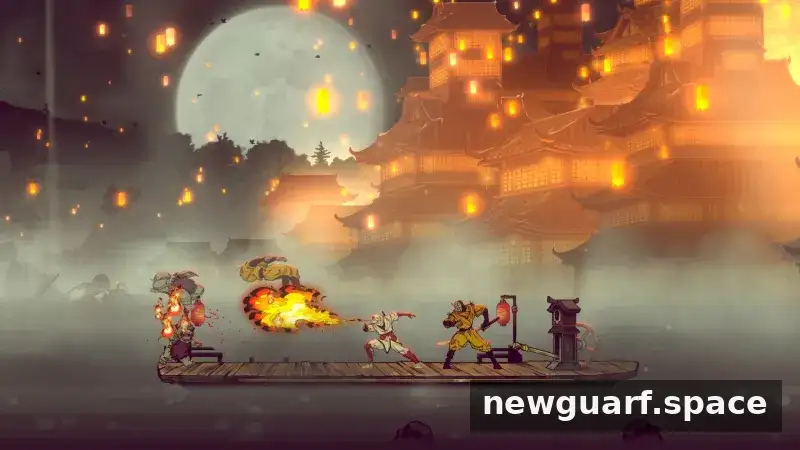
That collaboration was intended to protect what makes Shinobi distinctive while allowing the game to meet modern expectations. Sega did not want the team to preserve every old design choice simply for the sake of tradition; instead, the goal was to modernize the experience without losing its identity.

What the revival could mean for Sega’s other franchises
Shinobi: Art of Vengeance was not presented as the only possible return for a legacy Sega property. The company has also announced projects connected to Crazy Taxi, Jet Set Radio, Golden Axe and Streets of Rage, and has said it is considering multiple ways to develop its intellectual properties. Future plans are not guaranteed, but Sega has expressed interest in growing these franchises beyond individual game releases.
The game is scheduled to arrive on PlayStation 5, Xbox Series X/S, PlayStation 4, Nintendo Switch and PC on August 29. Sega and Lizardcube’s approach offers a useful model for reviving a classic: retain the core genre and atmosphere, then update the combat, presentation and accessibility for a new audience.
Why Shinobi: Art of Vengeance matters
Shinobi: Art of Vengeance brings Joe Musashi back through a partnership that draws on Sega’s history and Lizardcube’s experience with 2D action. Its expanded combat and distinctive art aim to make the return appealing to longtime fans while giving newcomers a modern entry point. The revival also signals Sega’s broader interest in giving its dormant franchises room to evolve.