 admin

Player choice is central to The Blood of Dawnwalker, Rebel Wolves’ debut game. Rather than guiding players through a fixed chain of main missions, the studio is building an open-ended narrative in which players decide how to pursue the central goal, what kind of person Coen becomes, and which consequences they are willing to accept.

How choice-driven is The Blood of Dawnwalker?
Rebel Wolves was co-founded by Konrad Tomaszkiewicz, director of The Witcher 3: Wild Hunt. After leaving CD Projekt Red following the release of Cyberpunk 2077, Tomaszkiewicz founded the studio in 2021. His interest in vampire stories, including Dracula, True Blood, Vampire: The Masquerade – Bloodlines, and Legacy of Kain, helped inspire a story that could span different periods. Player agency was also a key part of the team’s vision.

The design draws on the way optional stories can become just as memorable as a main storyline. In The Witcher 3, side quests could add context and meaning to the larger plot. Rebel Wolves wants to expand that approach by organizing The Blood of Dawnwalker around a central objective and a collection of connected quests, rather than a single sequence of missions.
Konrad Tomaszkiewicz describes these quests as “narrative samples.” Players have one overall goal, but the surrounding stories can be approached in different orders. They might gather allies, prepare Coen for the challenge, or try to reach the goal largely on their own. The structure is intended to let players decide what their route through the story looks like.
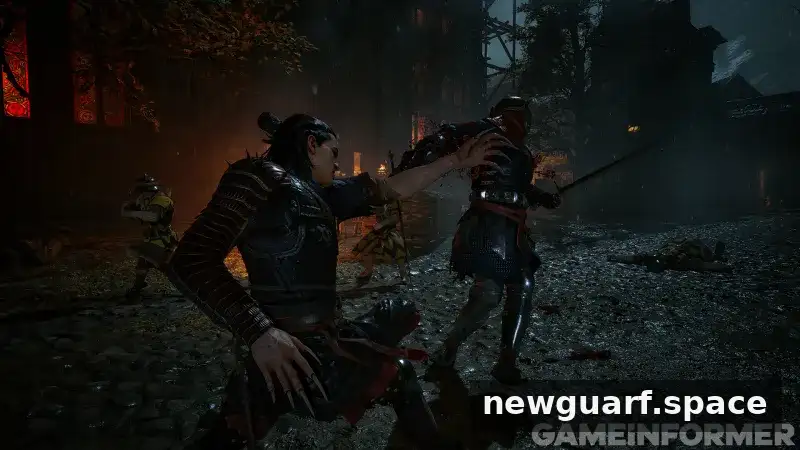
Quests are optional, but can make the goal easier
Lead quest designer Rafał Jankowski says nearly every quest is designed to contribute to the larger experience, without being a required step toward completion. The game takes place over 30 days and 30 nights, and players can choose to skip the available quests and attack the antagonist’s castle.
That direct approach is possible, but it may be difficult. Players who do not seek help or build up their abilities could arrive underprepared. Exploring quests can provide useful context and make the final assault more manageable, so consider weighing the freedom to move quickly against the advantages of preparation.
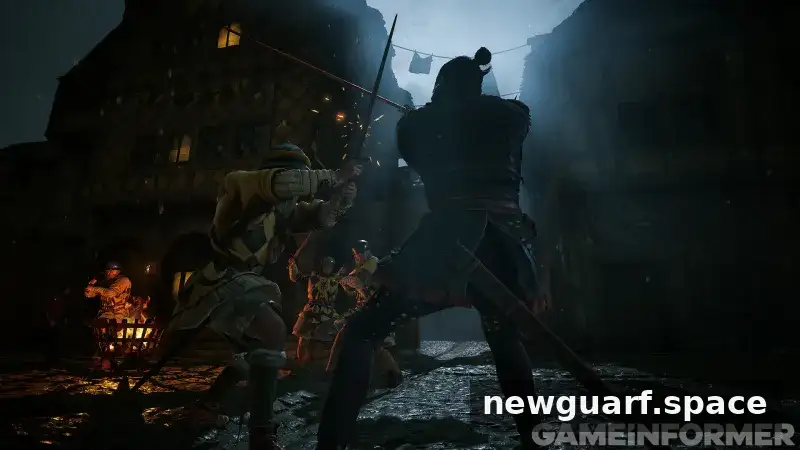
The team has also looked to tabletop role-playing games and classic computer RPGs for inspiration. Although players do not create a custom protagonist, they control Coen during a formative period, as he changes from human to Dawnwalker. Creative director Mateusz Tomaszkiewicz says players can influence how far Coen gives in to vampiric corruption, how accustomed he becomes to violence, and whether he tries to hold on to his humanity.
This gives players room to shape Coen’s outlook through their decisions. Those who want to emphasize his human side can choose actions consistent with that approach, while others can let him move toward a darker path. For a more coherent role-playing experience, it can help to decide what motivates Coen and make choices that reflect it.
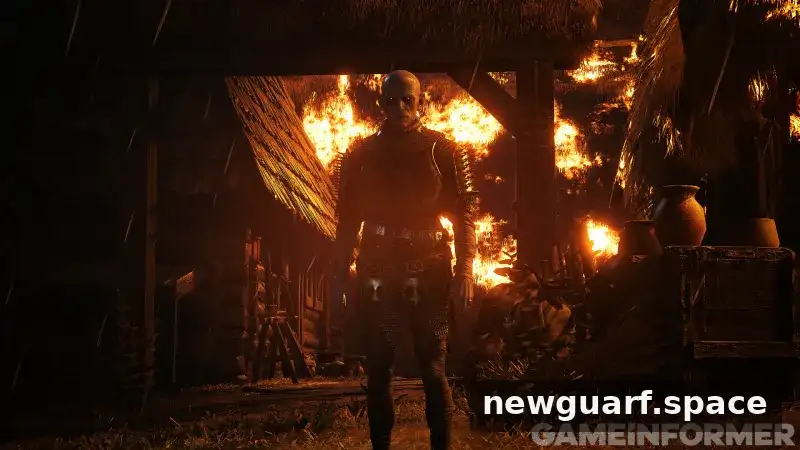
Actions can affect relationships and reputation
Choices also extend beyond major quest decisions. The game tracks interactions with characters, including dialogue and hostile actions. Its infamy system records behavior that draws negative attention from the vampiric court and the people of Vale Sangora.
Rampages, theft, killing, and decisions to target Brencis, his followers, or their organization can all affect Coen’s reputation. The system can bring both positive and negative consequences. Individual choices are also tracked, allowing non-player characters to remember what Coen has done and respond to it in later situations.
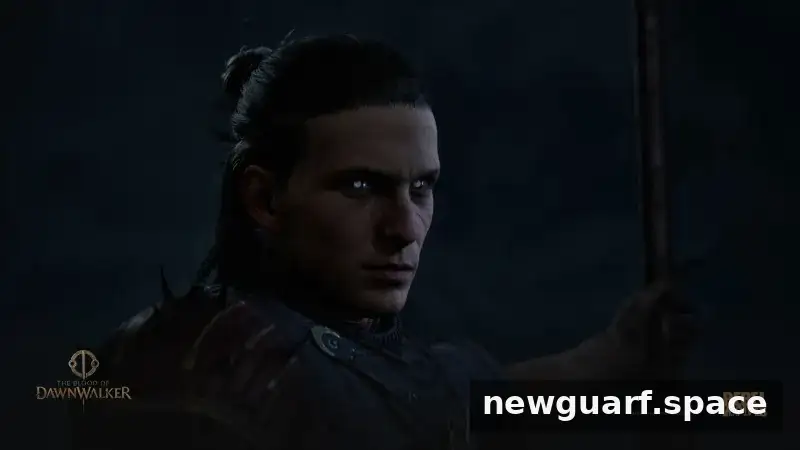
Some outcomes may close off entire questlines. Characters can die because of deliberate actions, the consequences of earlier decisions, or Coen losing control when his hunger is not managed. As a result, paying attention to his needs is more than a combat consideration: it may also affect which people and stories remain available.
Mateusz Tomaszkiewicz describes the game as a narrative sandbox, with quests of different sizes that may connect to one another or stand alone. The team wants vampiric hunger to remain a persistent part of Coen’s journey, rather than a minor ability with no lasting cost. Players should therefore consider how managing hunger, pursuing objectives, and protecting characters may intersect.

What the choice system could mean for players
The design aims to make decisions feel specific to the situation instead of repeating a predictable pattern. Konrad Tomaszkiewicz says the team considers the consequences of each choice individually and wants some outcomes to surprise players, since people cannot always anticipate what a decision will lead to.
That ambition is notable for Rebel Wolves’ first game, especially given the number of interacting systems described by the developers. The structure promises flexibility, but it also means that players may need to accept missed content or unexpected fallout as part of their own version of the story.
Conclusion
The Blood of Dawnwalker appears designed to make player choice shape more than dialogue or a final ending. Quest order, Coen’s character, reputation, relationships, hunger, and even access to storylines may all respond to what players do. The game is scheduled to arrive on PlayStation 5, Xbox Series X/S, and PC on September 3.
