 admin

Fable has long centered on choices and the consequences that follow. In Playground Games’ upcoming interpretation of the series, physical changes are no longer part of the experience, but player decisions and their effects remain central. A developer demonstration offered a closer look at how relationships, work, business, and reputation could shape daily life in Albion.
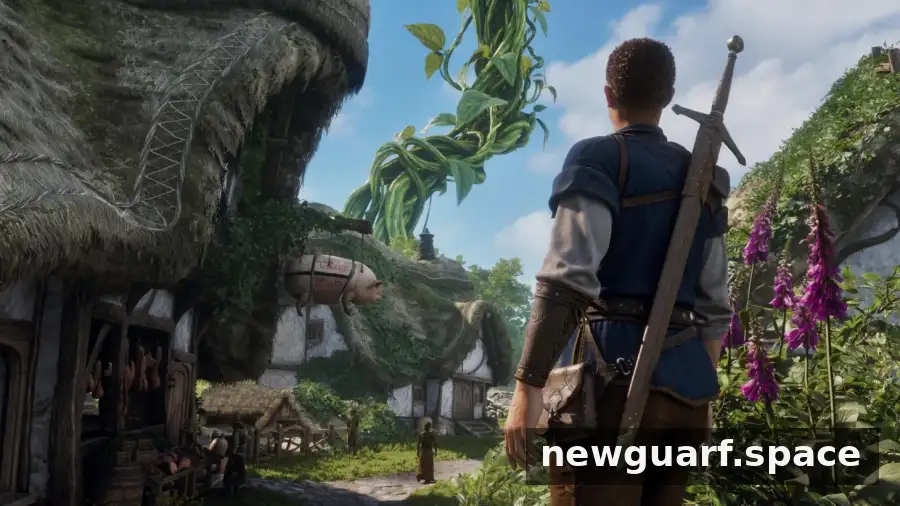
Fable puts everyday choices at the heart of Albion
The demonstration took place in Oakshire, one of six regions in the open world of Albion. Inspired by the British countryside, Oakshire contains several settlements. The 30-minute session focused on Silverbrook, a peaceful farming town, and showcased social and economic systems rather than revealing much about the story or combat.
Associate game director Will Kennedy described the game as combining life-simulation, social-simulation, and economic-simulation elements. Players can pursue relationships and families, spend time with the people of the world, build wealth, and influence the economic fortunes of settlements. For players interested in these systems, the demo suggests that ordinary activities can be as consequential as major decisions.

Relationships and routines give NPCs their own lives
During the demo, the hero saved a talking pig from slaughter and gave money to a struggling beggar before trying to court Megan, a shopkeeper. She responded well to flirting, but her preferences set a higher bar: as an “ambitious commoner,” she wanted a partner who was entrepreneurial, dressed well, and owned a home in Silverbrook.
Kennedy said the game features more than 1,000 handcrafted, fully voiced non-player characters. They have relationships, routines, homes, jobs, memories, hobbies, and families. Their daily behavior is powered by real-time systems, so characters may go to work, return home, or spend time at a pub. When exploring, pay attention to what individual characters value; those details can affect how they respond to the player.
Building a business can support your goals
To meet Megan’s expectations, the hero bought a nearby pub, adjusted its prices, and hired employees to manage its profits. The beggar from earlier was hired as well. Businesses can produce passive income, which players can collect from any property they own.
The hero also bought expensive clothes and took a blacksmith job to earn enough for a house. With those requirements met, he went on a date with Megan. The developer then ended the relationship abruptly, leaving her heartbroken. The sequence demonstrated that the game allows players to pursue relationships, but also to damage them through their actions.
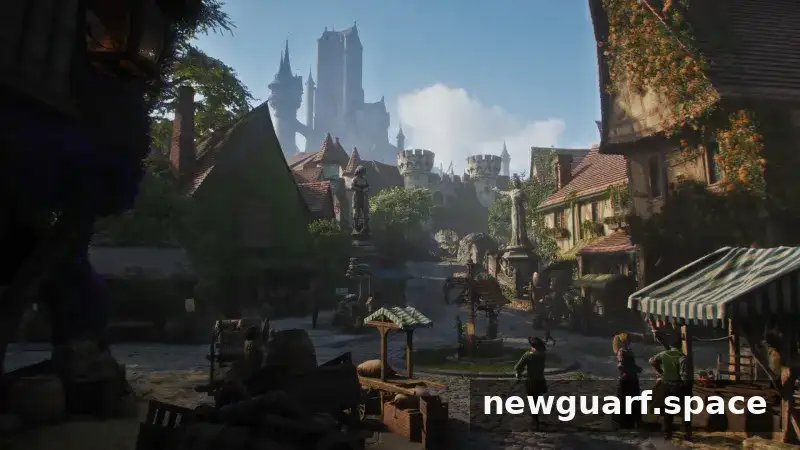
Fable’s reputation system responds to local actions
After the date, the hero turned to cruelty, including attacking civilians and drawing the attention of the town’s security forces. These actions built distinct reputational qualities. According to Kennedy, reputation is local: a character’s standing follows them throughout a region, while entering another part of Albion gives them a clean slate.
People judge the player through their own moral perspectives, so the same action may be viewed differently by different characters. This approach makes reputation more nuanced than a simple good-or-evil measure. A practical point for players is that behavior in one settlement may affect how its residents treat them, even if reactions differ elsewhere.
What the Fable preview suggests
The demonstration highlights a version of Fable where relationships, employment, property, and reputation are closely connected. Its systems suggest that players can shape their place in a community through small, repeated decisions as well as dramatic acts. The preview leaves questions about the story and combat unanswered, but it offers a detailed look at the social and economic activities available in Silverbrook.
For players following Fable’s return, the key takeaway is that choices appear to influence both personal relationships and local standing. As more details emerge, these connected systems will help show how life in Albion responds to the way each player chooses to live.
