 admin
Eternal Anima is a time-twisting RPG built around a flooded world, memories from the past, and turn-based battles that reward careful planning. A hands-on preview offered a look at its setting and combat, where predicting enemy moves can matter more than simply dealing the most damage.
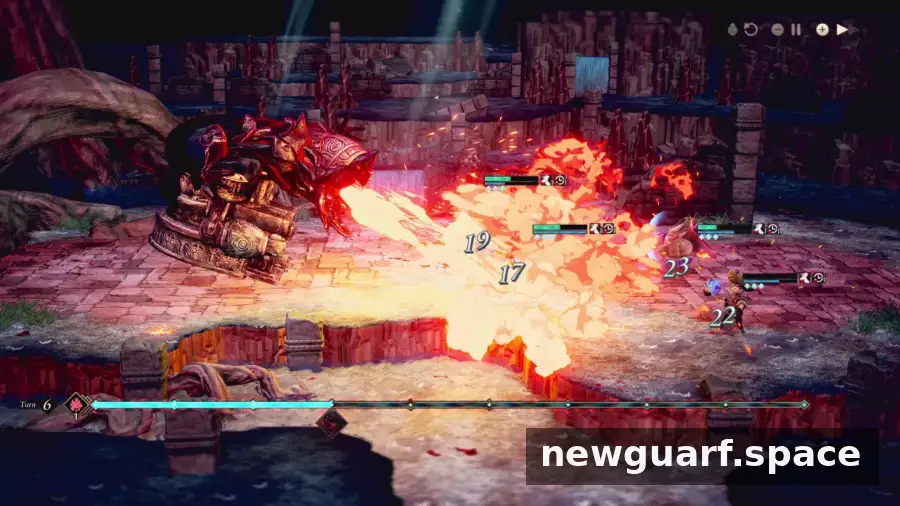
Eternal Anima’s story and setting
The world of Eternal Anima has reached what feels like its final chapter. Urvis Ael is the last remaining stronghold of civilization in a world overwhelmed by water. Life there is stable, but change is discouraged—including the hope of a better future.
Wade, the protagonist, refuses to accept that outlook. He believes another way of life may be possible and sets out to challenge the conditions around him. The story’s central tension connects his choices in the past to the state of the world he inhabits.
Practical detail: The premise makes the timeline important to the adventure. Pay attention to conversations and discoveries from earlier periods, as they help explain why the present looks the way it does.
How Eternal Anima’s combat works
Wade’s Psychometry ability lets him examine the past, see memories, and inherit abilities and classes that can be used in battle. The preview focused mainly on combat, which adds a time-based layer to the familiar turn-based format.
Wade also has Future Sight, allowing him to see what enemies are preparing to do. The interface displays upcoming actions, intended targets, and the likely outcome. Each ability has an action speed, shown on the timeline at the bottom of the screen.
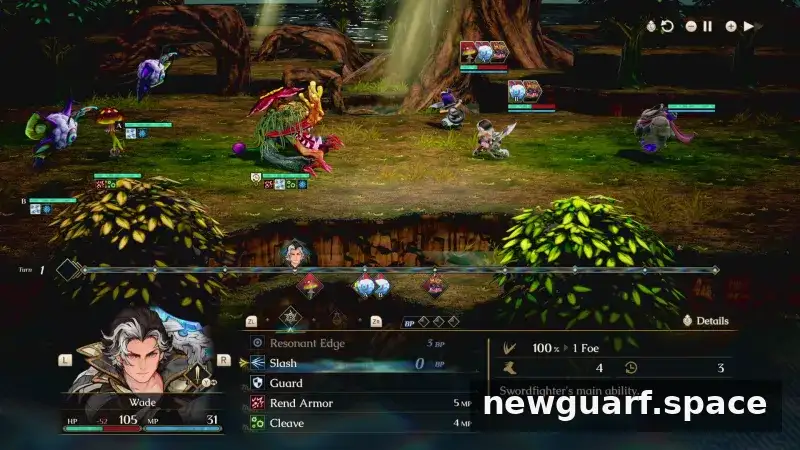
Attacking an enemy’s weakness can push its planned move farther back in the battle queue. That gives the party an opportunity to defeat it before it acts. Against larger foes, pushing an enemy off the timeline triggers a Break, cancelling its action and creating an opening for another round of attacks.
- Check the timeline before choosing an ability.
- Use enemy weaknesses to delay dangerous actions.
- Look for chances to trigger a Break against tougher opponents.
The result is less about reacting quickly and more about arranging a sequence of moves, then watching it play out. This gives battles a deliberate, tactical feel and makes forecasting enemy actions central to each decision.
Exploration, memories, and visual design
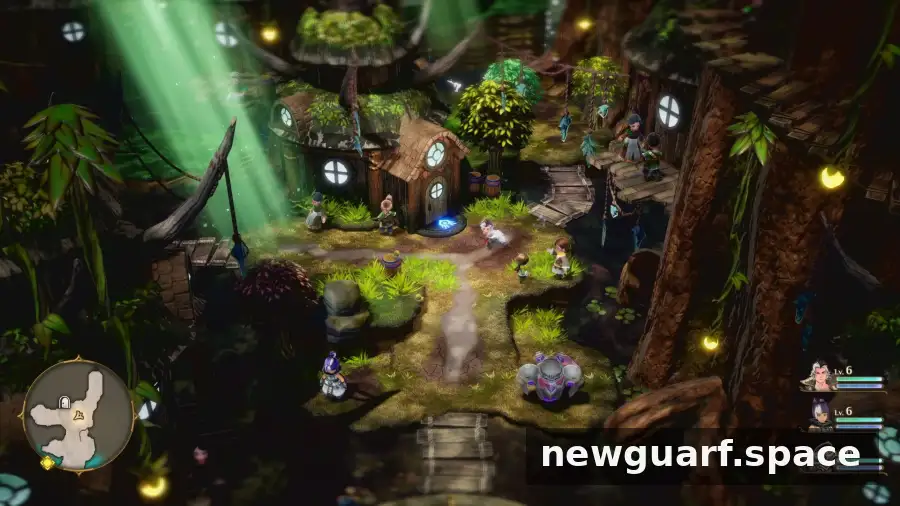
The game’s small environments resemble enclosed dioramas placed across a larger map. While exploring, Wade can fish, collect items, fight enemies, and meet people connected to earlier points in time. Interacting with a glowing sword, for example, triggers a memory that tells part of Fletcher’s story and grants a bow from his past.
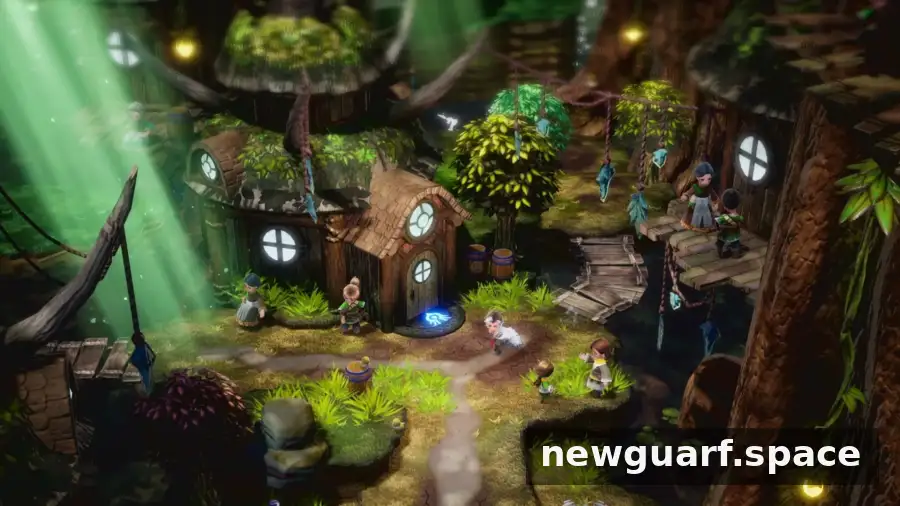
In another sequence, Wade meets a person trying to protect a forest hometown from flooding. Wade knows the disaster will eventually happen, but suspects that warning someone in the past could change the present. The preview ends before showing how that possibility develops.
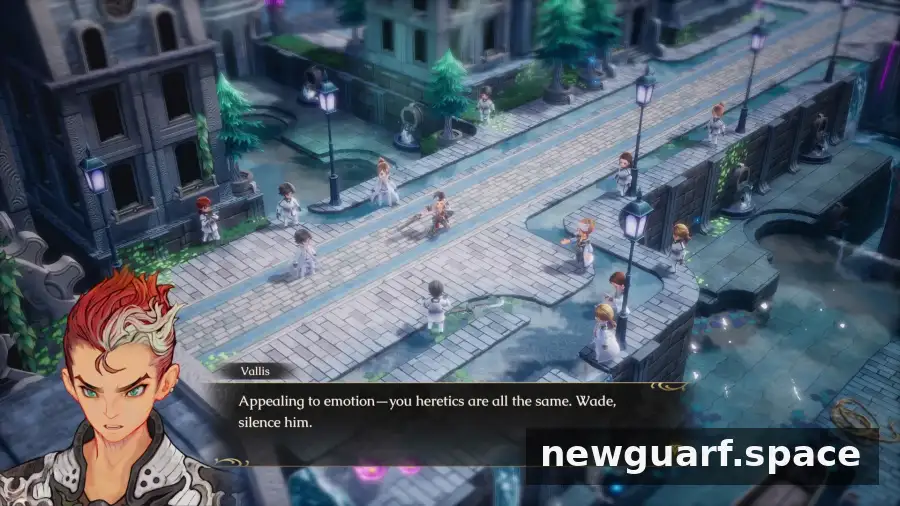
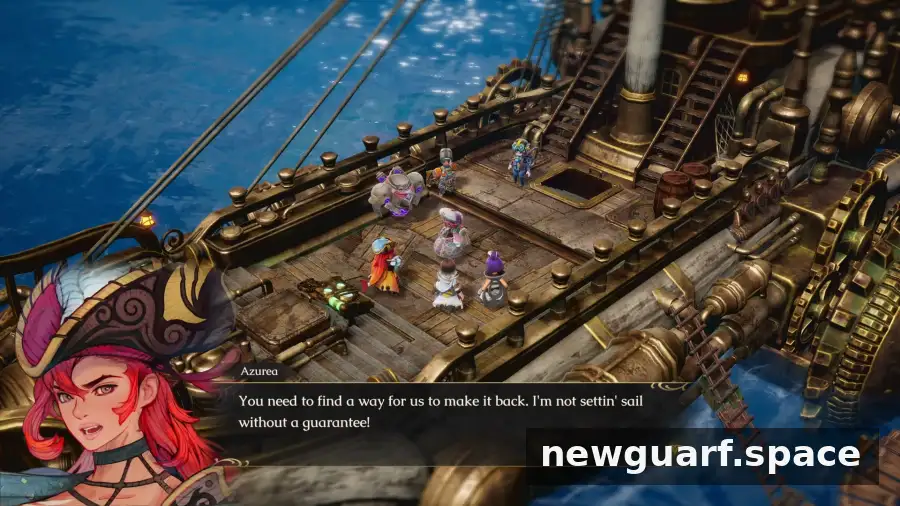
Eternal Anima uses a painterly, bokeh-enhanced visual style that may initially suggest an HD-2D game, though its presentation is distinct. The environments and enemies suit the atmospheric look. The chibi-style character models, however, feel less aligned with the detailed backgrounds and the story’s heavier themes.
Conclusion: why Eternal Anima’s battles stand out
Eternal Anima combines time-linked storytelling with combat that rewards prediction, weakness targeting, and timeline management. Its battle system aims to make players feel clever rather than merely powerful, while its flooded setting gives the adventure a clear emotional question: can changing the past improve the future? For players interested in strategic turn-based RPGs, Eternal Anima’s combat and time-bending premise are the most compelling elements to watch.
