 admin
The Monster Hunter Wilds demo at Summer Game Fest Play Days offered a close look at how Capcom is expanding the series’ large-scale hunts. Its Alpha Doshaguma encounter combined a seamless world, changing conditions, environmental hazards, and cooperative combat into a pursuit where preparation and quick decisions mattered as much as weapon choice.
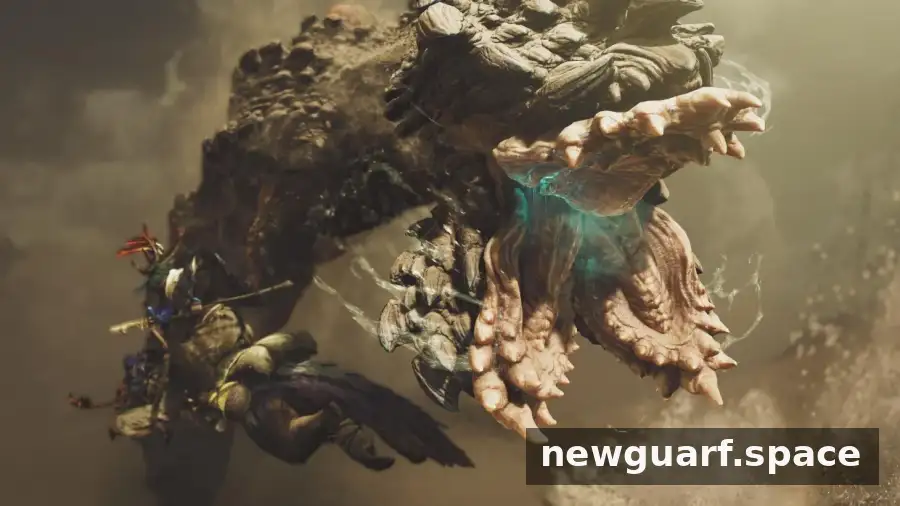
Monster Hunter Wilds builds on World
Monster Hunter World helped introduce the long-running franchise to a broader global audience. Its quality-of-life improvements, simultaneous release in Japan and Western markets, and expanded language support contributed to its success. With Wilds, Capcom aims to build on that foundation and create a world with greater environmental detail.
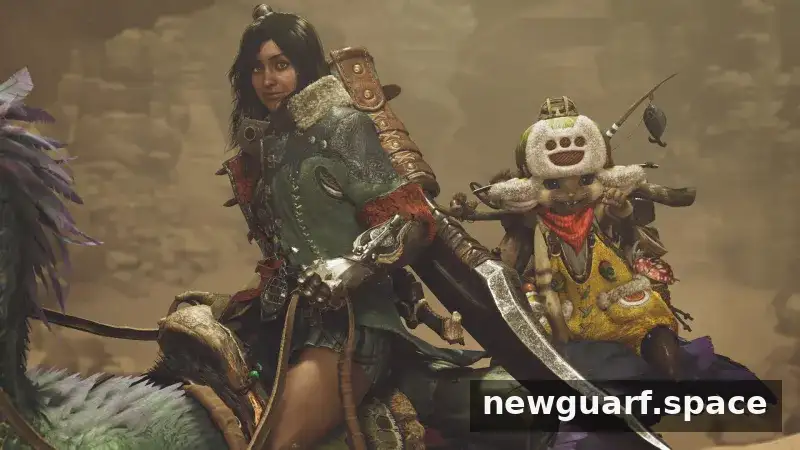
Series producer Ryozo Tsujimoto described the approach as a continuation of the goals behind World, using powerful hardware to make the setting more detailed and immersive. The demo showed this through lush landscapes, more expressive character faces, and refined animations. Even the base camp felt more active, with hunters and Palico moving through the space.
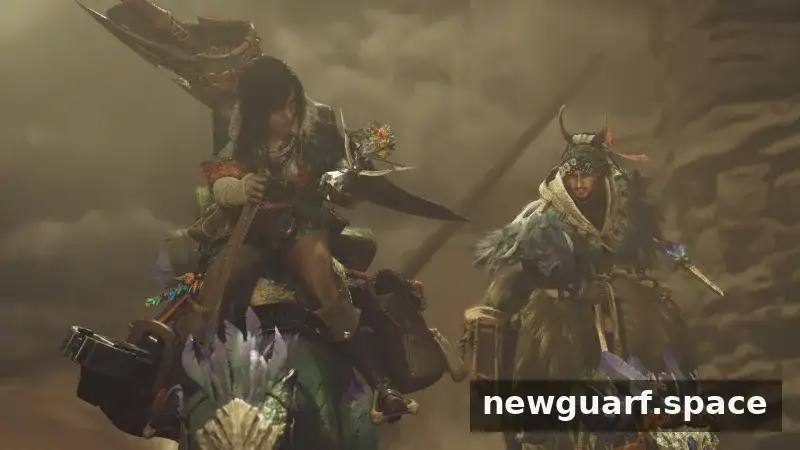
Travel also plays a larger role in the hunt. The hunter can ride a mount through the field, and a new tool allows items to be collected from a distance while mounted. For players, this can make gathering resources during travel more convenient without stopping to approach every item on foot.
Planning a hunt around the changing field
The demo moved from base camp into the wilderness without a loading screen. A day-and-night cycle affects when certain monsters appear, so timing can shape a hunt. While waiting for suitable Doshaguma hunting conditions, the hunter asked the Palico companions to set up a mobile camp. These camps offer a useful field base, but monsters can destroy them, making placement an important decision.
Before setting out, the hunter prepared a meal. The detailed cooking sequence highlighted the food and the character’s reactions. The hunter then used a Ghillie Mantle to approach the Alpha Doshaguma unnoticed. A heavy opening strike alerted nearby Doshaguma, turning the encounter into a chase as several monsters crowded the hunter in a confined area.
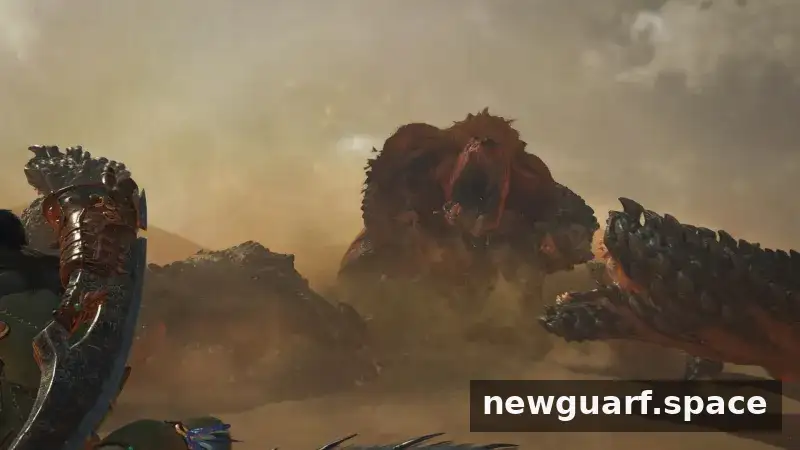
Rather than trying to fight the entire group in a tight space, the hunter used a mount to escape and looked for ways to disrupt the pursuers. The demo showed how terrain and other creatures can change the situation: a group of smaller monsters attacked the Doshaguma and slowed them down, giving the hunter a chance to create distance.
Use terrain to control the pursuit
The Alpha remained on the hunter’s trail, so the route became part of the strategy. The hunter led it into Balahara territory, where a quicksand trap pulled the monster down. When it escaped, a thunderstorm brought an area Apex monster into the fight. The chase continued into a cave, where falling boulders struck the Doshaguma.
Director Yuya Tokuda explained that the maps are seamless and at least twice as large as those in Monster Hunter World. The aim is to give players several possible approaches rather than dictate a single route. Daylight and extreme weather can also change what is available, so learning the landscape may help hunters adapt their plans on later attempts. A practical approach is to pay attention to the terrain, weather, and monster activity before committing to a route.
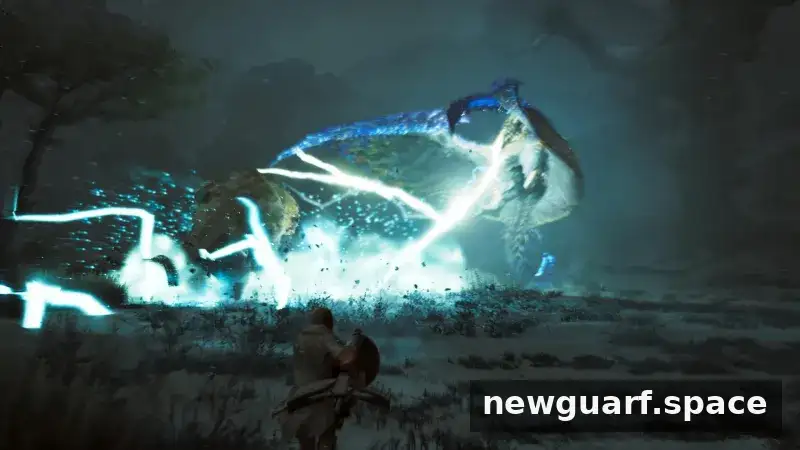
Because a large field can offer many possible actions, Palico companions can point out useful opportunities, such as an approaching storm. These reminders are intended to help players notice features without forcing them to use a particular tactic.
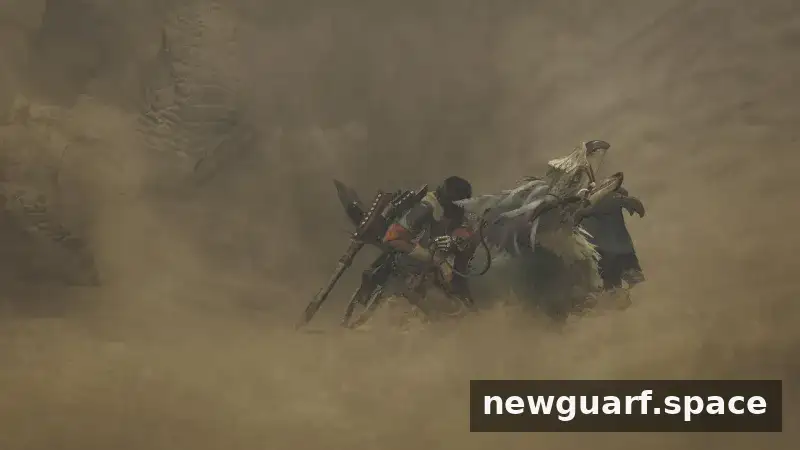
Finishing the Alpha Doshaguma hunt
After the chase, the Alpha began limping, while the hunter needed time to recover. The hunter returned to the mobile camp, switched to a long sword, and fired a signal flare to summon co-op partners. The group prepared traps near the monster’s roaming area. The main hunter then placed explosive barrels beside the sleeping Doshaguma and detonated them to start the next encounter.
As the injured monster pursued the team, the hunter guided it into a pitfall trap. The hunters attacked while it was stuck, and the main hunter later climbed onto its back to strike from above. The combination of earlier damage, coordinated teamwork, and careful use of the environment brought the Alpha down. The team then carved the carcass for materials.
The demo presented Monster Hunter Wilds as a hunt shaped by more than direct combat. Camps, changing conditions, route choices, and cooperation all influenced the outcome. For players preparing to explore its fields, learning how the environment can help or hinder a monster may be just as valuable as mastering a weapon. The Alpha Doshaguma chase offered an exciting preview of how Monster Hunter Wilds could make each pursuit feel different.
