 admin

Lost in Random: The Eternal Die takes the series in a new direction, turning its chance-driven fantasy world into an action roguelike. Its fast combat and layered upgrade systems may feel familiar to fans of Hades, but the game adds its own dice-inspired mechanics and a distinct approach to building a character during each run.
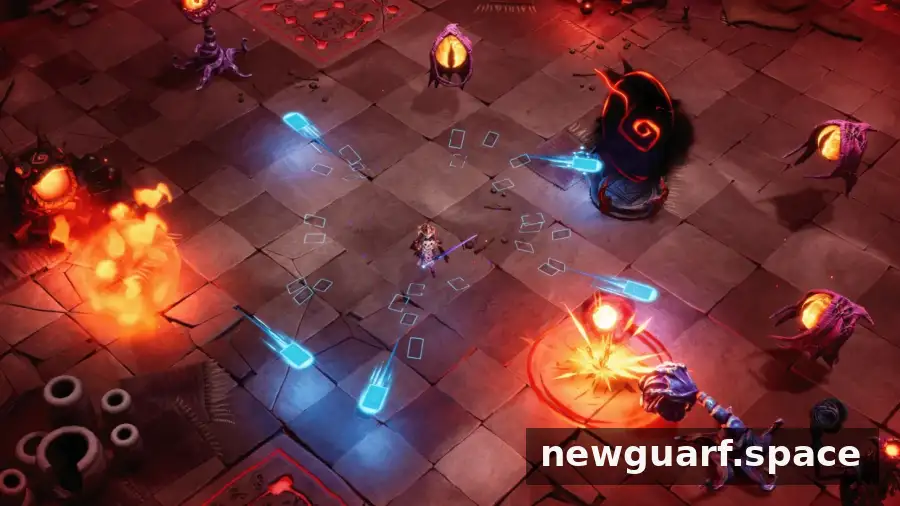
Lost in Random: The Eternal Die and the Hades effect
Unlike the 2021 game, which played more like a third-person action adventure with card-and-dice battles, The Eternal Die is built around repeated runs through randomized arenas. The shift is a substantial one, though it suits a setting where chance is part of everyday life. Stormteller Games leads development this time, following Zoink’s work on the first game.
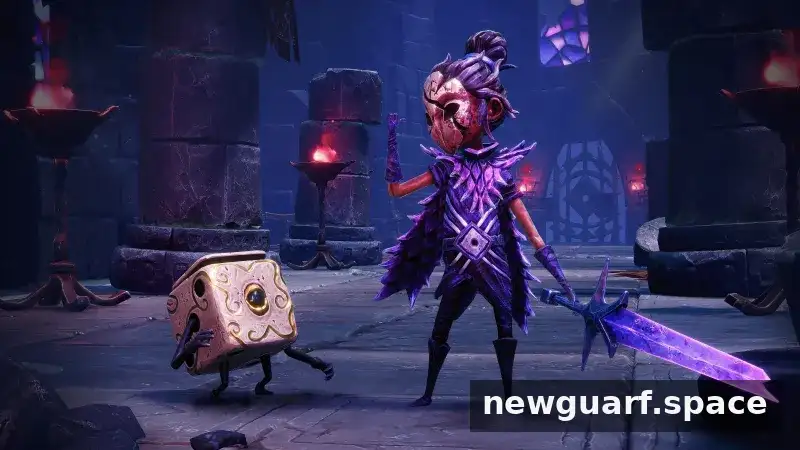
The story takes place after the events of the original, but the developers describe it as a standalone follow-up. Players take control of Queen Aleksandra, the former antagonist, after the Black Die betrays her. Its true form, Mare the Knight, turns Aleksandra back into a child and traps her in an ever-changing game. With her sentient die companion Fortune, she sets out to defeat Mare and reclaim her lost power.
Each run sends Aleksandra through shifting combat rooms where she can find health, power-ups, and currencies. A defeat ends the run and returns her to the Sanctuary, a hub populated by new and familiar characters. The cast is colorful and well-voiced, although conversations do not change as often as they do in Hades, so some returns to the hub can feel quiet. Bosses introduce new dialogue and tactics during rematches.
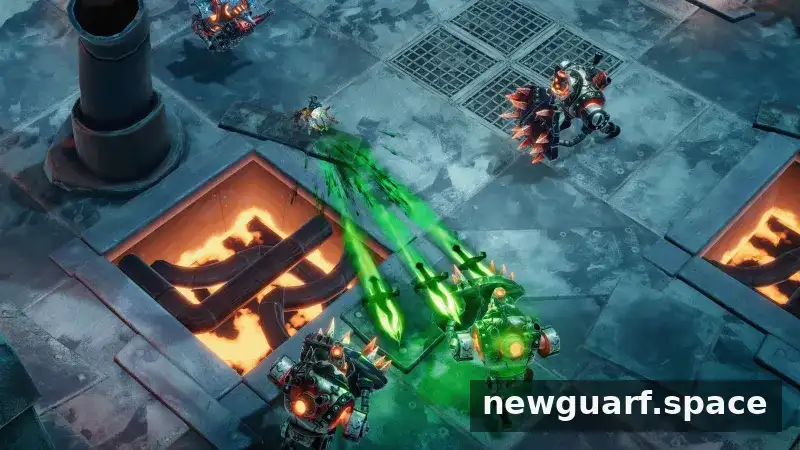
Fast combat and flexible weapons
Movement is quick and responsive, with a dash that makes it easy to reposition during fights. A straightforward three-hit combo forms the core of melee combat, while Fortune can be thrown at enemies and then retrieved manually. That returning-die mechanic echoes the first game’s use of Dicey.
Aleksandra starts with a sword, and players can unlock a bow, spear, and hammer. Each weapon has four upgrade paths, with options ranging from increased damage to gusts of wind released when an enemy is defeated. Cinders unlock these upgrades. The weapons support different play styles: the bow is useful for attacking from a distance, while the hammer trades speed for heavier hits.
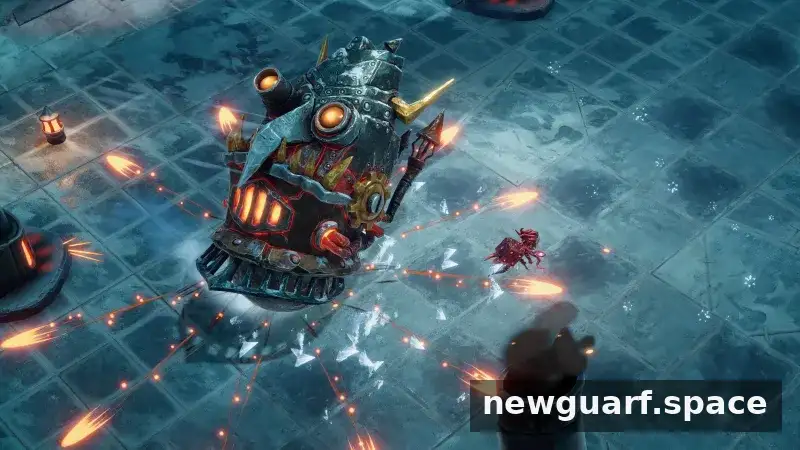
Cards, Relics, and run progression
Cards remain part of combat, but they work differently from the first game. Rather than drawing from a full deck, players equip one card at a time to gain a special attack. The 15 cards include a cry that pushes back and stuns enemies, homing projectiles, and lightning that bounces between targets. Energy Shards, generated by melee hits, refill the meter used to activate these attacks.
Relics provide another layer of strategy. More than 100 are divided into five categories: Weapon, Card, Dice, Conjurations, and Luck. They are placed on a grid, and their abilities activate when three Relics of the same color line up horizontally or vertically. Matching them clears the pieces from the board. Some Relics have two colors, while others contain Pearls that improve an associated stat when matched.
Because the board has limited space and Relics arrive at set points during a run, placement matters. New Relics can expand the grid, and new tiles can replace active pieces when a more useful perk becomes available. A practical approach is to leave room for future matches instead of filling every tile immediately.
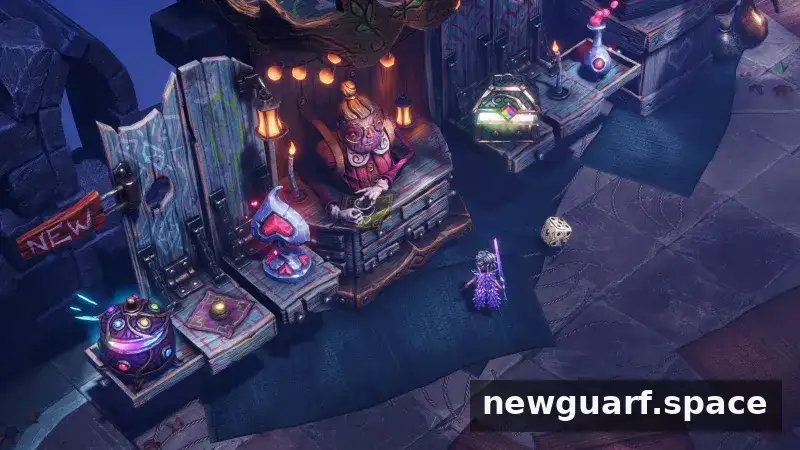
Blessings offer permanent passive benefits purchased with Pip Dust. They can increase maximum health, make Fortune throws generate Energy Shards, or allow Aleksandra to return once after dying. Each Blessing has two versions that can be switched between, and spending more Pip Dust can strengthen its effects. This makes Blessings a useful way to shape a preferred play style over time.
Convenience features and overall impressions
The game includes several features that make roguelike runs easier to manage. Players can save and exit during a run, then continue from the same point later. Fast travel also lets them revisit certain rooms, which is helpful when backtracking. Exploration can introduce Sanctuary characters and optional tasks, including finding a robot’s head and locating a talking fish’s missing dice friends.
The Eternal Die combines lively voice performances, dark fantasy art, and satisfying combat with a substantial mix of upgrade choices. Its Relic board adds a puzzle-like element to progression, while Cards and Blessings provide more ways to tailor each run. At the same time, its overall content feels less extensive than Hades, and the frequent similarities make comparisons difficult to avoid.
For players who enjoy action roguelikes, the strongest reasons to try Lost in Random: The Eternal Die are its responsive movement, weapon variety, and distinctive dice-themed systems. It was scheduled to launch on June 17 for PlayStation 5, Xbox Series X/S, and PC.
