admin

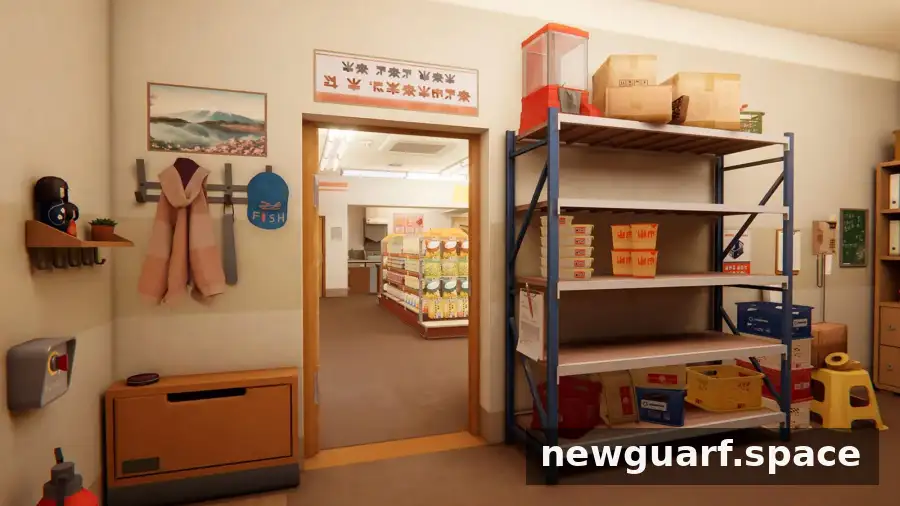
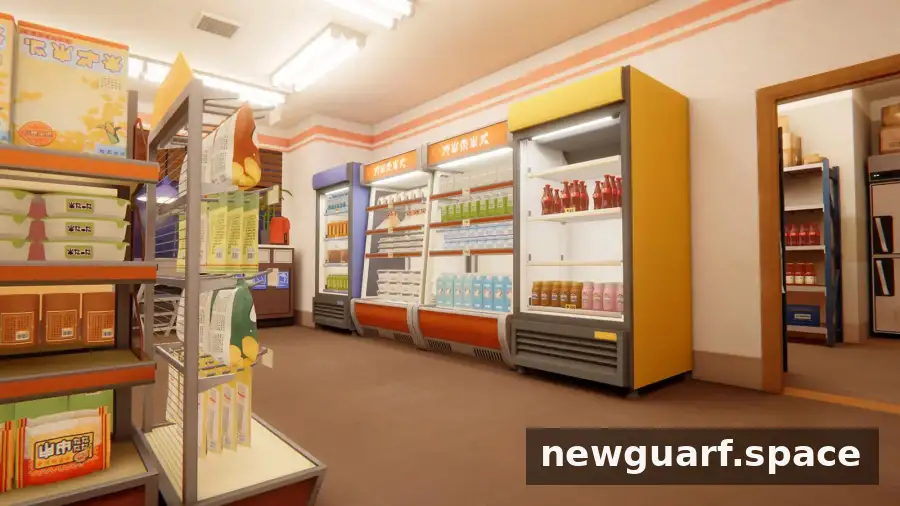
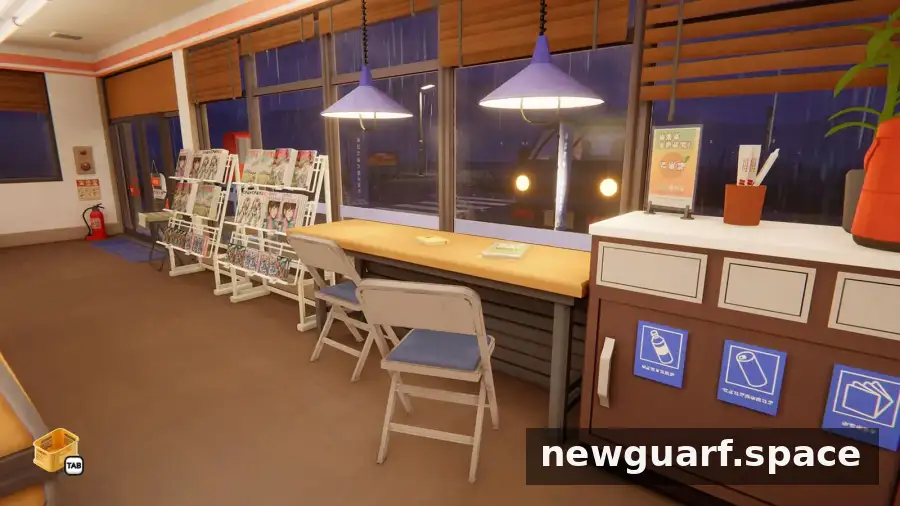
Japanese convenience stores are more than quick stops for food and everyday essentials. In the upcoming narrative game InKonbini: One Store. Many Stories, a small-town shop becomes the setting for a thoughtful story about routine, fleeting encounters and the people who pass through. Developed by Tokyo-based Nagai Industries, the game looks to the atmosphere of 1990s Japan for a warm, reflective adventure.
Japanese Convenience Stores Inspire InKonbini
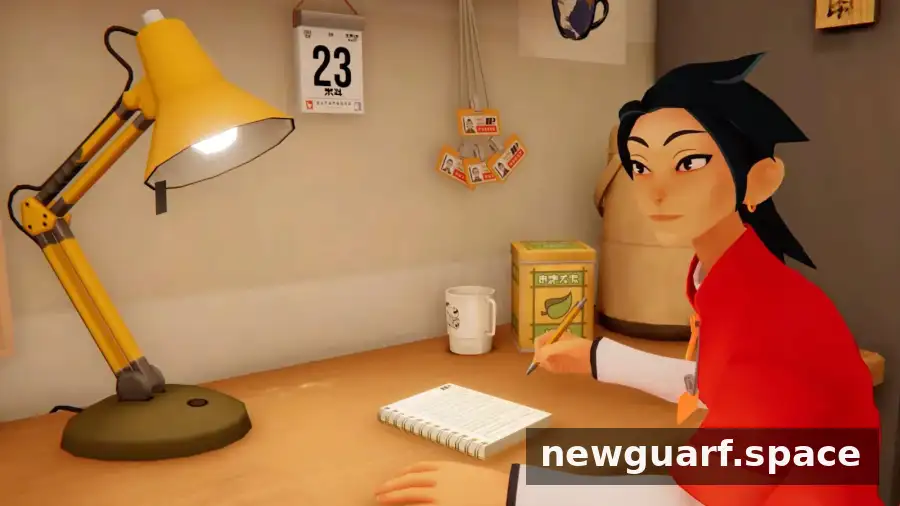
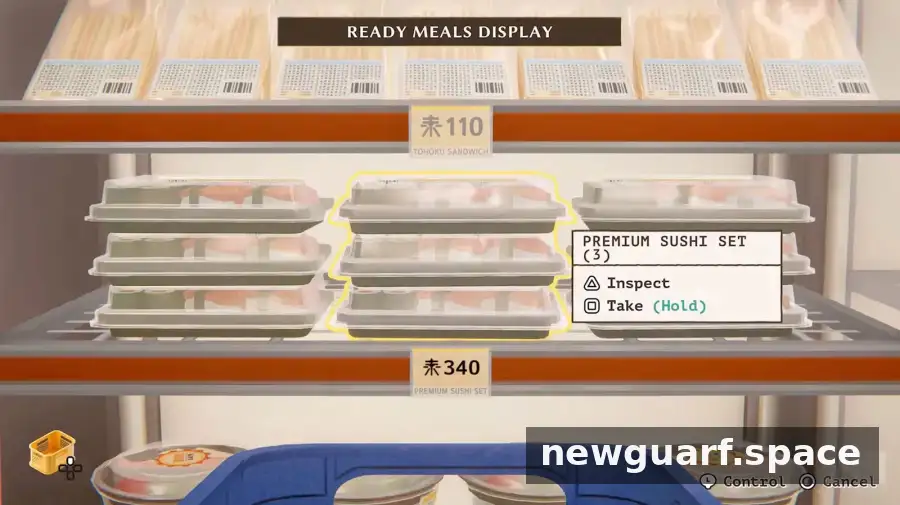
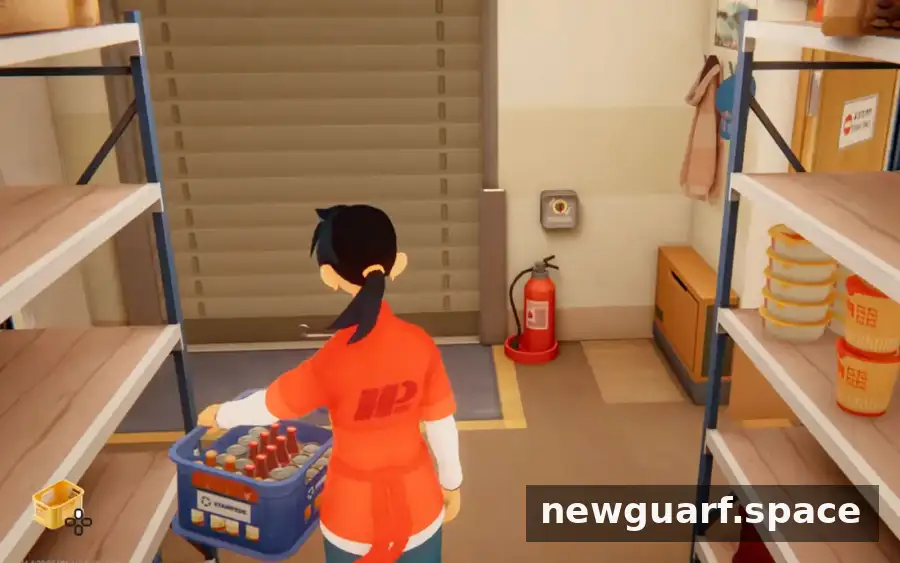
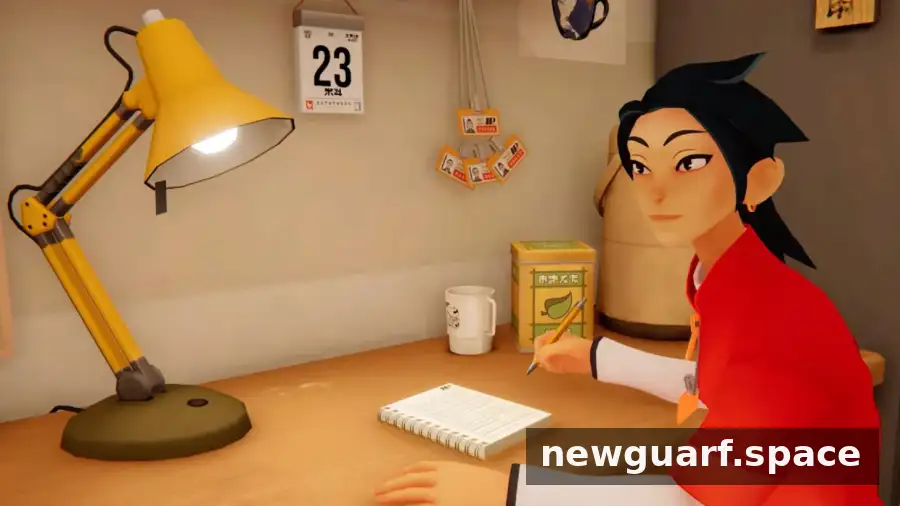
Players take the role of Makoto Hayakawa, a college student who pauses her studies to help her aunt run a local convenience store. The game combines everyday shop work with conversations and personal stories from customers. Rather than treating routine tasks as background, it uses them to create a calmer, character-focused experience.
Nagai Industries founder Dima Shen has described the project as a meditative narrative adventure and simulation. The idea began as a summer project between two friends, one of whom was preparing to move to Argentina. What started as a limited collaboration grew into a larger development effort, with eight full-time employees and additional contributors working on the game.
For players: The premise suggests a game suited to people who enjoy slower-paced experiences and character interactions more than constant action. Its shop setting also gives ordinary tasks a clear role in the story.
A Cozy Story with a Touch of Sadness
The developers aimed for a mood that feels beautiful and comforting while retaining a hint of sadness. Shen connected this balance to mono-no-aware, a Japanese idea often described as an awareness of the fleeting nature of things and the bittersweet beauty that can come with it.
The choice of a 1990s convenience store helped shape that atmosphere. Shen also cited the welcoming shops in Shenmue as an inspiration. Together, these influences point toward a nostalgic setting where familiar surroundings matter as much as major plot events.
Context: The game’s emotional tone is built around ordinary experiences, not a mystery or an investigation. Players looking for a quiet story should expect the pace and small details to be central to the experience.
Everyday Work and Meaningful Encounters
Working behind the counter provides the practical framework for play, but customer conversations are just as important. Each interaction gives Makoto a chance to hear another person’s perspective and build a connection. The developers want these encounters to make routine work feel meaningful without turning the shop into the setting for an elaborate mystery.
The story draws on the concept of ichi-go, ichi-e, commonly translated as “one time, one meeting.” The idea emphasizes that an encounter cannot be repeated in exactly the same way. Makoto spends only one week at the store, but the people she meets and stories she hears are intended to leave a lasting impression.
Practical takeaway: Pay attention to conversations as well as shop duties. In a narrative game built around brief meetings, small exchanges may be the main way its characters and themes come into focus.
Why InKonbini Celebrates the Mundane
Rather than promising a dramatic revelation, InKonbini focuses on the value of slowing down. Makoto’s week at the store becomes a reminder that familiar places and everyday moments are temporary. Even a neighborhood shop that seems like a permanent part of life may not always be there.
The project was announced for PC and consoles, with a 2025 release planned at the time of the original reporting. The developers’ broader aim is to let players appreciate the journey itself: the work, conversations and brief connections that make up an ordinary week.
Conclusion: The Appeal of Japanese Convenience Stores
InKonbini: One Store. Many Stories turns Japanese convenience stores into a setting for a gentle story about routine, nostalgia and human connection. Its focus on small tasks and passing encounters offers a different kind of adventure—one that asks players to notice the details and value moments that cannot be repeated.