 admin
The Borderlands 4 open world takes the series to the planet Kairos, where connected regions, varied missions, and optional activities encourage players to explore beyond the main story. Rather than describing the experience simply as an open-world game, Gearbox calls it a seamless world: an environment designed to reduce interruptions and keep exploration flowing.
How the Borderlands 4 open world connects Kairos
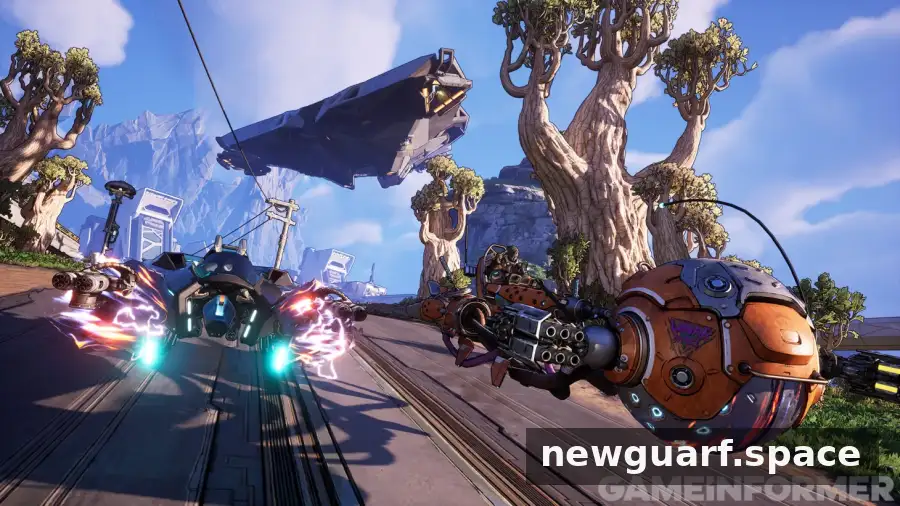
Earlier Borderlands games offered large areas to explore, but Kairos expands that approach with connected zones and fewer loading breaks. The journey begins in the Fadefields, a bright, vegetation-rich region with main missions and side activities spread across the landscape. From there, players can travel to Carcadia Burn without a loading screen. The scenery shifts gradually from green fields to a sandy wasteland, making the change in region feel continuous.
Carcadia Burn carries the impact of an event from Borderlands 3: Lilith teleported Pandora’s moon, Elpis, into Kairos. The planet also includes Dominion, the Timekeeper’s stronghold city. For players, these contrasting locations offer a practical reason to keep exploring: each zone presents different environments and activities to discover.
Why Gearbox calls it a seamless world
Senior project producer Anthony Nicholson explained that the team did not begin with a goal of making a traditional open-world game. Instead, the world’s connected structure and growing range of side activities shaped the experience. The term seamless world reflects a design goal of keeping players immersed, with fewer reasons to pause their progress.
According to Nicholson, Unreal Engine 5 provided new capabilities that helped the team pursue this approach after Borderlands 3 and its downloadable content. The result combines broad exploration with missions and encounters that can arise naturally while players travel.
Exploration tip: When heading toward a main objective, keep an eye out for nearby activities. Some objectives begin as players approach them, so checking the surrounding area can reveal content without requiring a search through menus.
Traversal and combat across larger areas
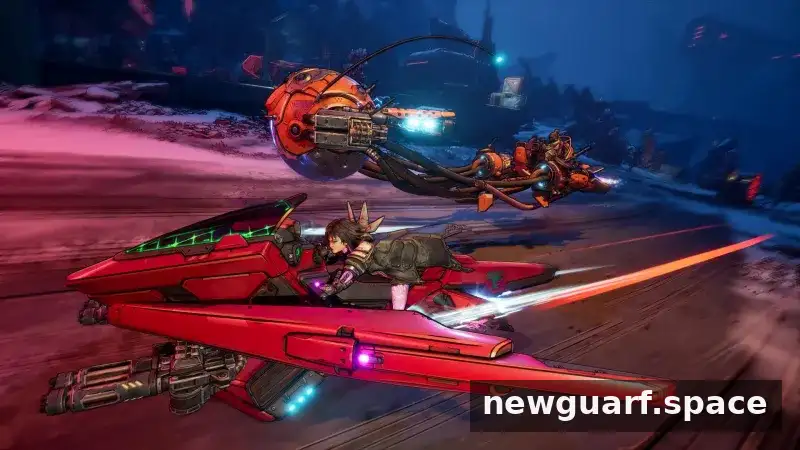
World building director Jason Reiss described a shift away from the series’ previous pattern of large hub areas leading into more linear sections. Borderlands 4 instead features more expansive combat spaces that players can enter from different directions, including from above. Grappling and gliding add movement options, so environments need to support varied approaches on foot and in the air.
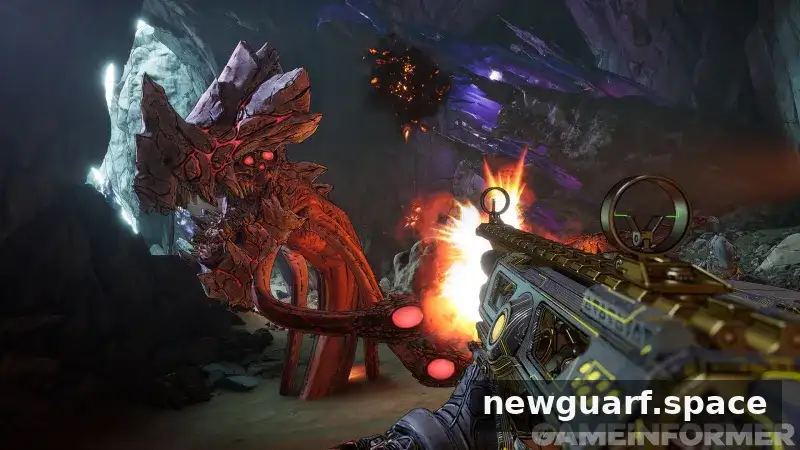
The wider spaces also affect enemy design. Lead game designer Josh Jeffcoat noted that enemies must remain convincing even when seen at a distance, while the game handles higher enemy counts than previous entries. Keeping opponents active and integrated into the environment helps preserve the sense that the world continues beyond the player’s immediate view.
Side missions and activities worth finding
The Fadefields begin with vivid greenery, while later regions introduce darker, more desolate scenery. Art director Adam May said the contrast is intentional: starting in a bright environment makes the changing moods of the wider planet more noticeable. As players travel, the landscape helps distinguish one part of Kairos from another.
Main missions follow the Vault Hunters as they contend with the Timekeeper’s rule, but optional content is spread across the regions as well. Nicholson explained that activities such as Crawlers and Silos can present objectives as players reach them, rather than requiring them to locate a mission giver first. Side missions range from story-focused tasks, including one involving Claptrap and keepsakes from past moments, to repeatable activities found throughout the world.
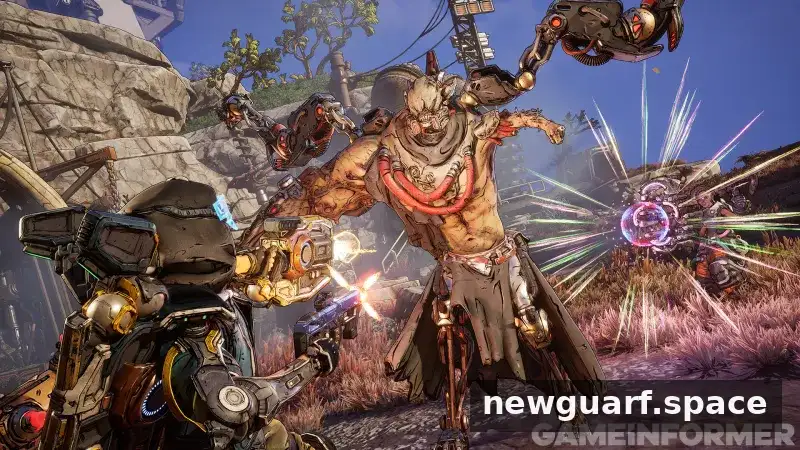
Lead level designer David Ruiz described the side content as a way to balance the main story with varied, sometimes humorous experiences. Some missions also build emotional turns into their stories, giving optional quests a range of tones rather than making them all feel alike.
Activities and rewards mentioned in the preview include:
- Crawlers: Puzzle-like challenges that involve moving a battery to a slot to unlock a reward. One example awarded a cosmetic skin for the Digirunner.
- Silos: Challenges that require reaching a terminal. Activating it releases a balloon that launches the player upward, allowing a long glide and helping reveal Vaults.
- Safehouses: Clearing these locations unlocks fast travel and bounty boards.
- Rift Champions: Tougher enemy variants found in quarantined spheres that drop substantial loot.
Other discoveries include Drill Sites, Auger Mines, Survivalist Caches, Propaganda Towers, and collectibles. A useful approach is to explore these diversions when they appear along a route; some provide loot or practical unlocks, while others offer a change of pace from story missions.
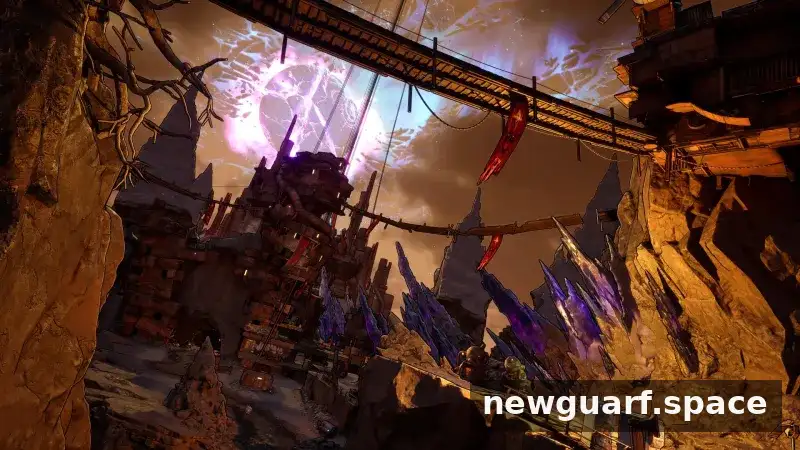
What to expect from exploring Kairos
The seamless layout, changing biomes, traversal abilities, and optional objectives give Kairos several ways to draw players away from the main path. Fewer loading screens can help maintain momentum, while activities such as Safehouses and Silos provide tangible reasons to investigate the map. The full scale of a large game world takes time to assess, but the preview showed a design focused on continuous exploration and varied encounters.
The preview listed Borderlands 4 for PlayStation 5, Xbox Series X/S, and PC on September 12, with a Nintendo Switch 2 version planned for a later date. For players deciding how to approach its planet, the key takeaway is simple: follow the main missions when desired, but leave room to explore. The Borderlands 4 open world is built around connected travel, unexpected activities, and rewards waiting away from the central route.
