 admin
Witchfire has spent years in development, and that long creative process has helped shape a game that is difficult to place in a single genre. The project comes from the team behind The Vanishing of Ethan Carter, but it takes a very different direction. Players may recognize elements associated with shooters, soulslikes, roguelites, and fantasy role-playing games, yet Witchfire brings those influences together in its own way.
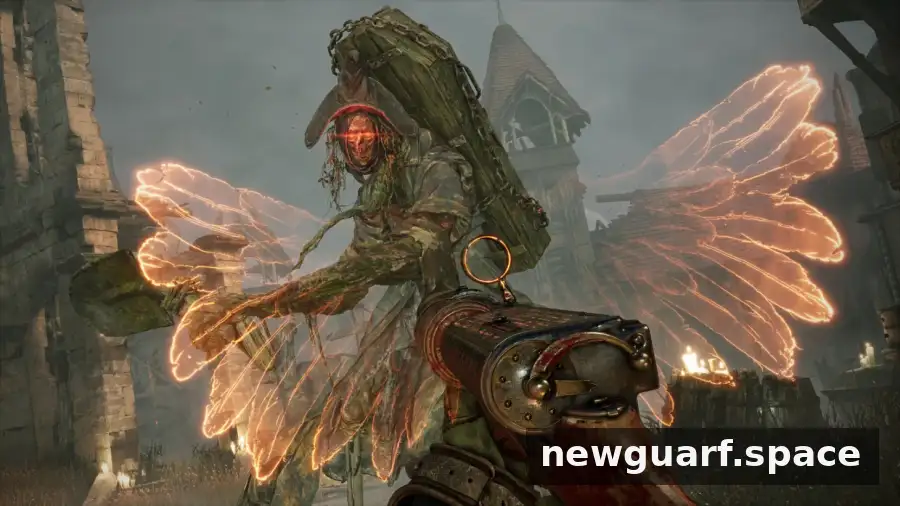
Witchfire and its blend of genres
Part of Witchfire’s appeal is that different players can describe it from different angles. Its first-person combat suggests a shooter, while its challenging approach may remind some players of soulslike games. Progression systems and extraction-focused fantasy RPG elements add further layers. Rather than fitting neatly into one category, the game appears to draw on several familiar ideas.
That mix can make it harder to know what to expect before playing. A useful approach is to treat genre labels as a guide, not a complete description: they highlight certain influences but may not capture how those elements work together. Players deciding whether the game suits them should look beyond a single comparison and consider the combination of combat, challenge, and progression.
A long development with a distinct result
Witchfire’s extended development has been part of its story since early glimpses of the project appeared. A long schedule does not automatically make a game better, but in this case the result is described as unusual within the first-person shooter landscape. That distinct identity also means the team cannot always rely on established genre examples when making design decisions.
Director Adrian Chmielarz has explained that the game’s uniqueness was not the product of a deliberate plan. He has also characterized it as both an advantage and a challenge: standing apart can make the experience feel fresh, while making it harder to find existing games that offer ready-made solutions to design problems.
Why Witchfire’s identity matters
When a game combines several styles, its systems need to work together rather than feel like separate features. That can influence how players approach encounters, learn the rules, and make progress. For readers, the key takeaway is that Witchfire is best understood as a hybrid experience instead of a straightforward example of any one genre.
The same qualities that make the game distinctive may also make it difficult to compare with familiar titles. Genre descriptions can set expectations, but they are not guarantees that every part of the experience will match another game. Keeping that in mind can help players approach Witchfire with a clearer sense of its unusual design.
Conclusion
Witchfire’s long development has led to a game shaped by multiple influences and a clear identity of its own. Its blend of shooter, soulslike, roguelite, and fantasy RPG elements is central to what makes it stand out, while also creating unique design challenges. For anyone curious about Witchfire, its cross-genre nature is the most useful place to start when forming expectations.
