 admin

Screamer is returning in 2026, three decades after the original introduced Milestone’s take on arcade racing. The series began with a game designed to bring the immediacy and spectacle of the arcade experience to PC. Its revival will bring that arcade-inspired identity to consoles as well as PC.
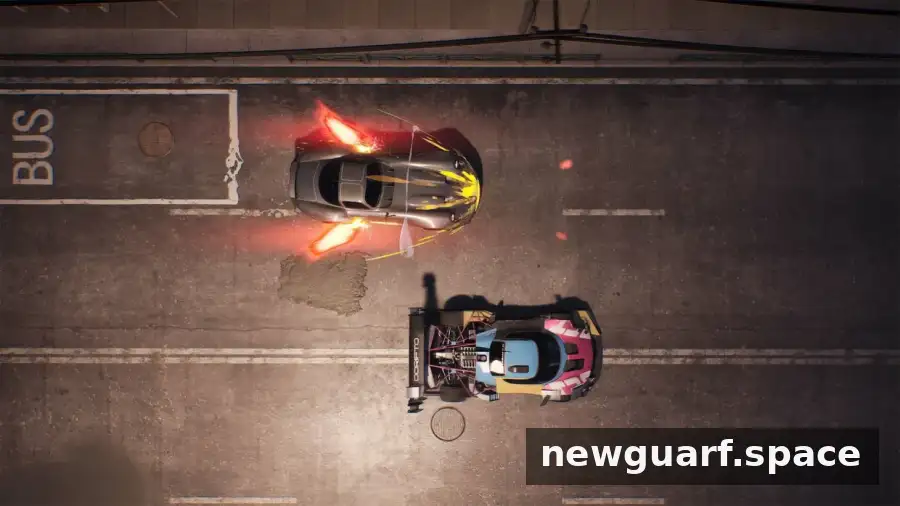
Screamer and the arcade racing legacy
When discussing the series’ history and its place in the racing genre, Screamer director Federico Cardini describes the original game as a way of bringing arcade racing to PC. That idea shaped the game’s approach: rather than relying only on realistic driving, it used exaggerated visual effects to make races feel more dramatic.
For example, cars leaned noticeably through turns, while crashes could send vehicles into barrel rolls. These flourishes gave the racing a heightened, arcade-style character. They also helped distinguish Screamer from simulations, where realism and precise vehicle behavior are typically central to the experience.
For players exploring the series’ origins, those design choices offer useful context. The first game was not simply about reaching the finish line; its presentation made the action itself part of the appeal.
Milestone’s return to Screamer in 2026
Milestone has been making games since 1996, with racing titles spanning simulation, arcade, and approaches between those styles. The studio was originally founded in 1994 under the name Graffiti, and its debut release was the first Screamer.
Returning to the series in 2026 marks a 30-year gap from the original. The upcoming game is intended to bring the arcade experience to modern consoles and PC. The announcement connects the new release to Screamer’s original purpose while placing the series on platforms beyond its initial PC audience.
Arcade racing often emphasizes accessible action, striking moments, and a strong sense of speed. Those qualities can appeal to players who want an energetic alternative to a driving simulation. However, the available details here do not specify the new game’s individual mechanics or features, so it is best to wait for confirmed information before drawing conclusions about how it will play.
Why Screamer’s history matters
The series’ return highlights how racing games can draw on different traditions. Screamer’s roots lie in an arcade approach, while Milestone’s broader history includes racing games across a range of styles. That background helps explain why the original remains a meaningful part of the studio’s story.
For returning fans, the 2026 release offers a chance to see the series continue after three decades. New players can also approach it as a revival of a PC racing game built around exaggerated arcade action. In either case, Screamer’s defining point of reference is clear: bringing the arcade experience to players, first on PC and now on consoles and PC.
