admin

Valor Mortis brings One More Level’s first-person action style to a slower, more deliberate Soulslike adventure. After more than 15 hours with a preview build covering its first four chapters, the game shows plenty of promise: its combat abilities offer variety, its environments are memorable, and its story raises intriguing questions. The main concern is the Valor Mortis difficulty, which often feels inconsistent enough to undermine otherwise exciting encounters.
Valor Mortis difficulty makes boss fights uneven
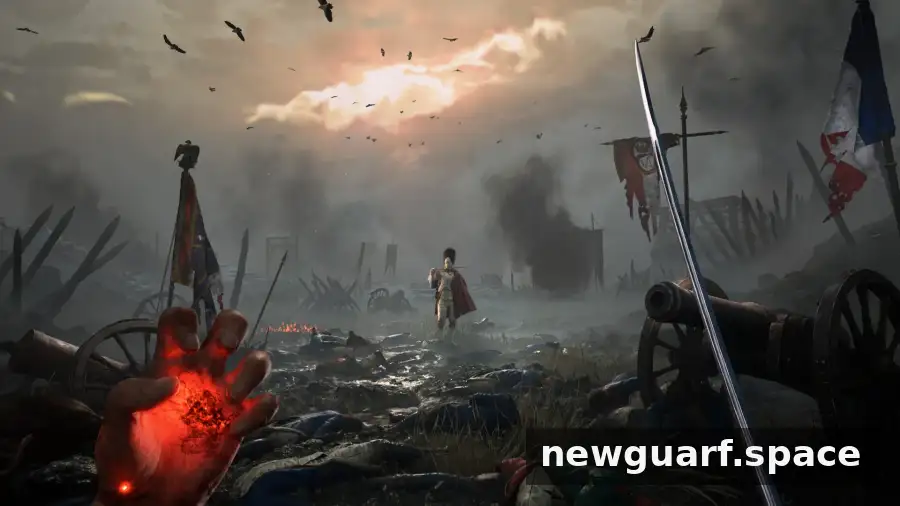
The preview follows William, who awakens after dying in the opening and finds himself receiving telepathic messages from Napoleon Bonaparte. He pushes through trenches, battlefields, abandoned buildings, and burned villages while trying to understand what has happened. Along the way, supernatural abilities begin to transform his right hand.
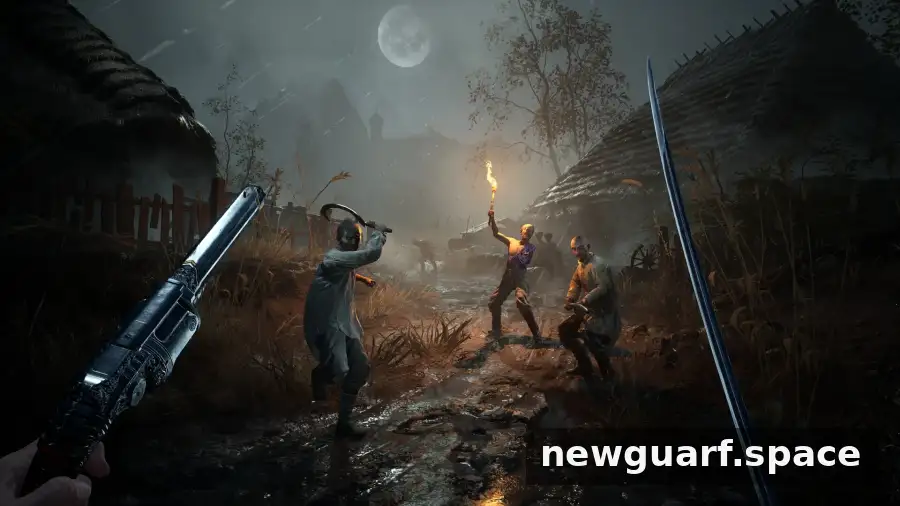
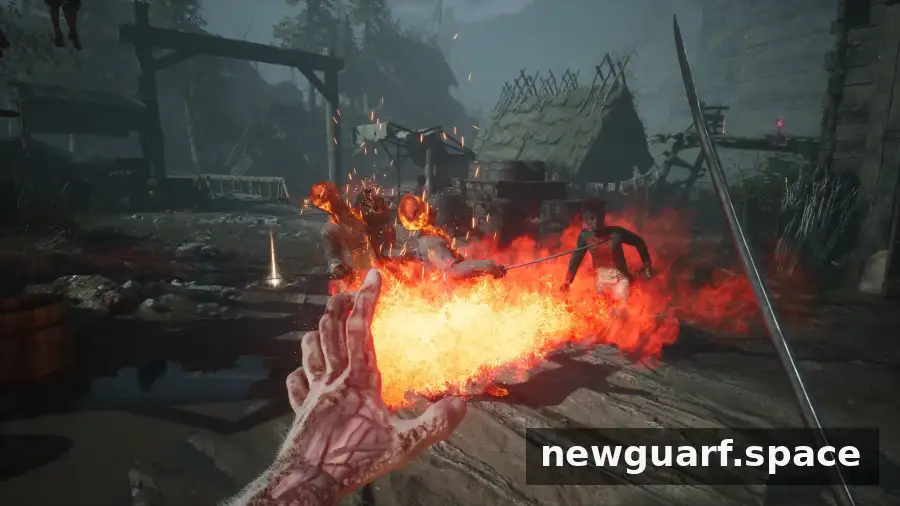
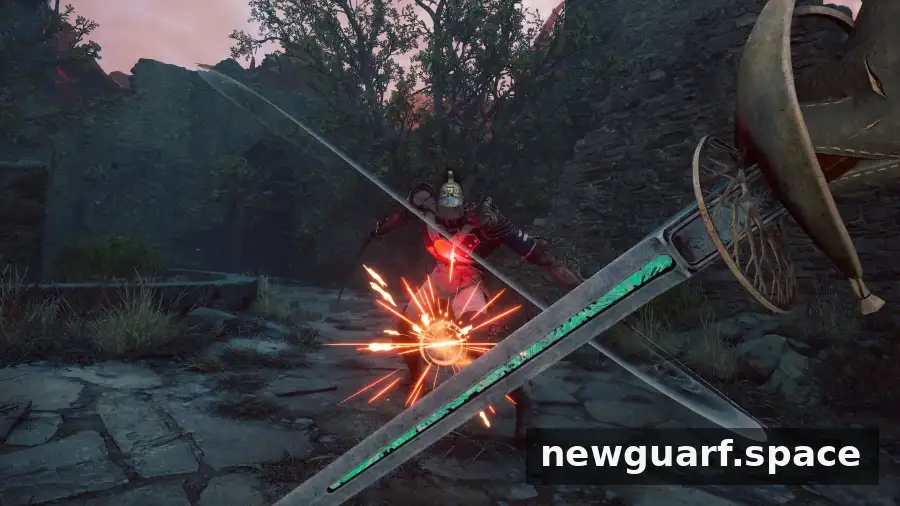
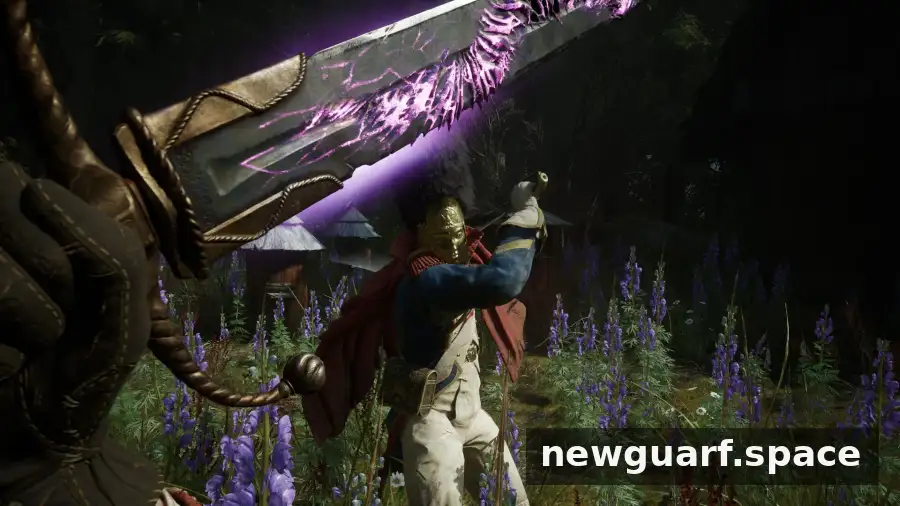
Those powers add useful options to the combat. Fire can build an enemy’s burn gauge and leave them stunned, while a time-freezing ability can create an opening for heavy damage once an opponent’s freeze gauge is full. These skills complement William’s guns and melee weapons, giving encounters more variety than swordplay alone.
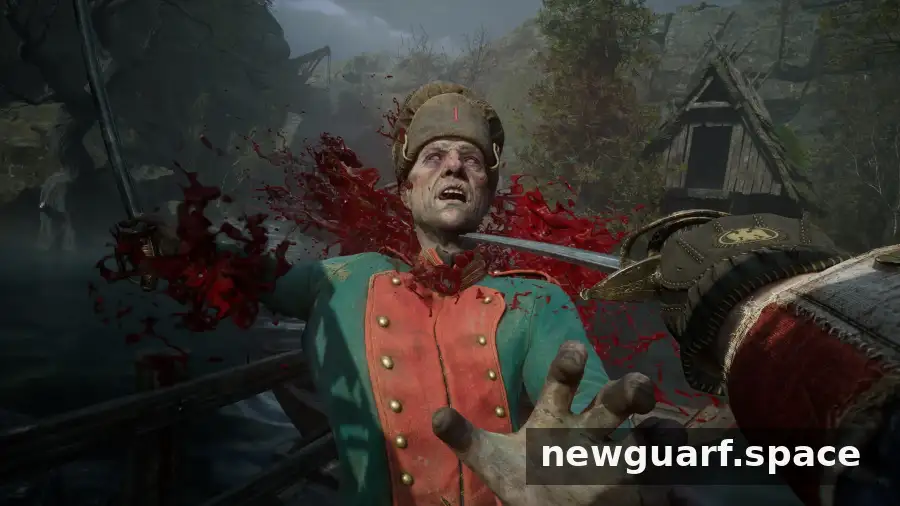
The saber offers dependable damage and the ability to block. The rapier, by contrast, uses thrusts to target weak points and can produce greater stagger when parrying, but it cannot block. Choosing between them means weighing offense and defense against the enemy in front of you. When a fight gets difficult, experimenting with weapon choices and abilities may help reveal a more manageable approach.
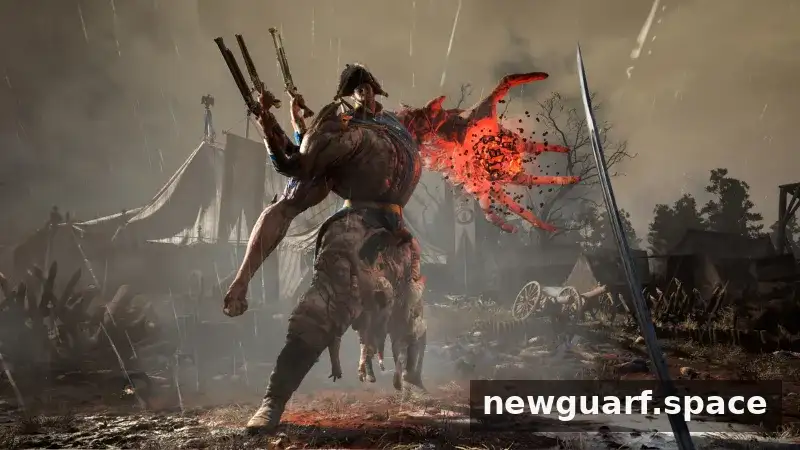
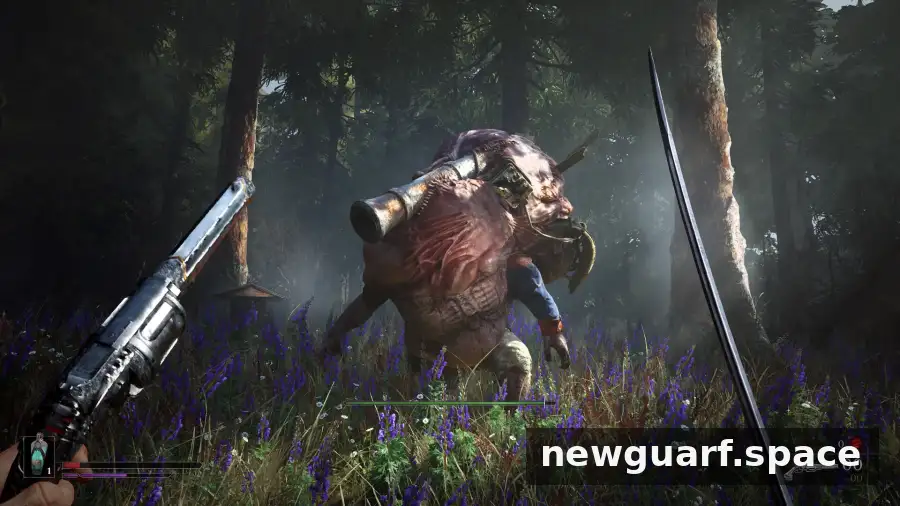
That flexibility does not always make the toughest encounters feel fair. Some bosses can remove roughly 60 percent of William’s health with a single hit, even after health upgrades have been prioritized. In a Soulslike, learning attack patterns and finding the right response are central to the challenge. Here, the damage can make it difficult to stay alive long enough to study those patterns. More than 100 boss deaths occurred during the 15-hour preview.
Exploration and visual design stand out
The difficulty spikes are not limited to bosses. Some ordinary enemies feel closer to mini-bosses, and encountering several of these demanding foes in one chapter can make routine progress exhausting. A few challenging opponents can add tension, but frequent high-pressure fights may leave too little room to recover between encounters.
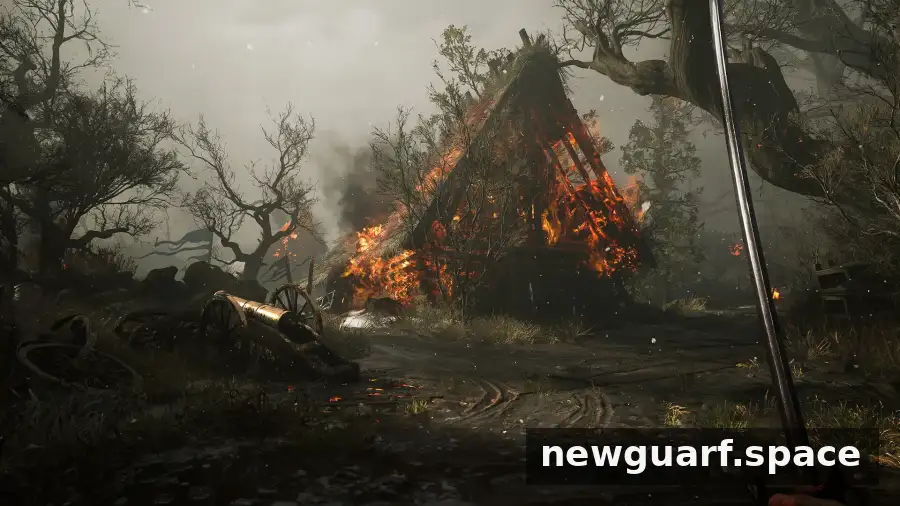
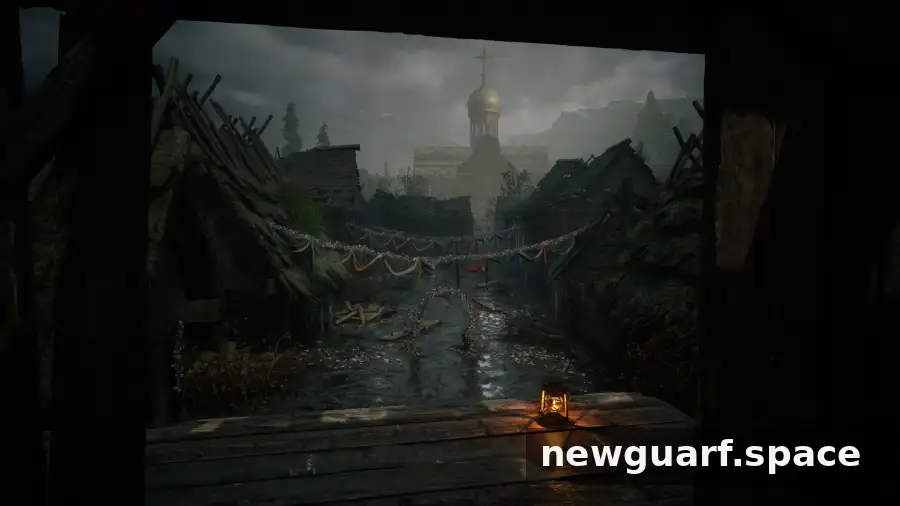
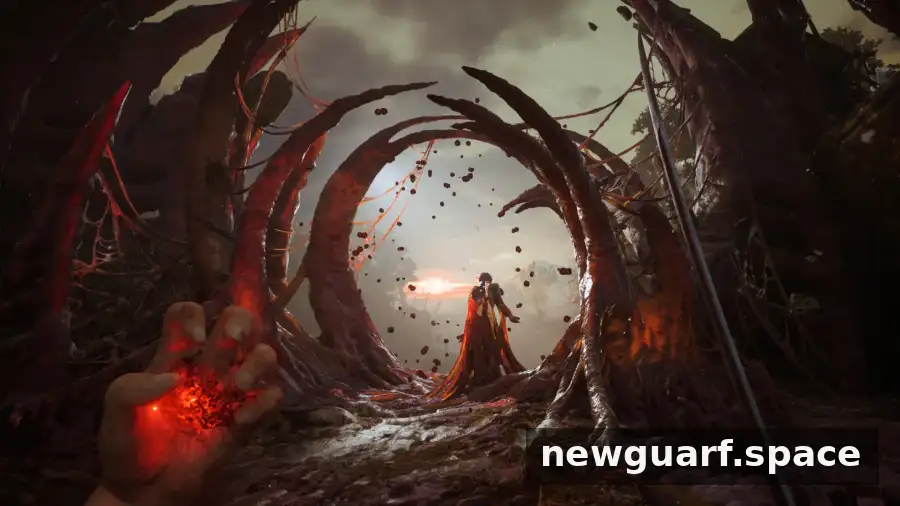
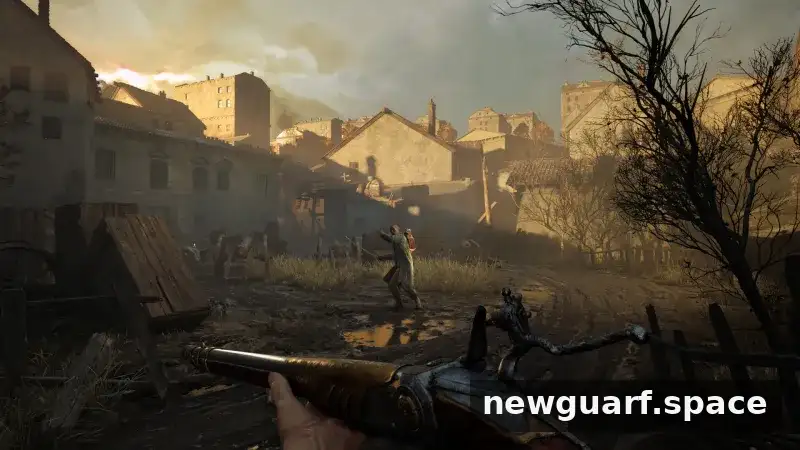
Exploration provides a welcome change of pace. The large areas include side routes and short puzzles that encourage players to look around rather than simply rush from fight to fight. The French countryside and war-torn settings are familiar backdrops, but strange growths and unusual formations give them a distinctive, otherworldly character. The result is an atmospheric take on 18th-century France that remains visually engaging throughout the preview.
A promising Soulslike that needs balance tuning
Despite the punishing combat, the preview’s central ideas are compelling. First-person action, supernatural abilities, weapon choices, and a narrative-driven journey give Valor Mortis a clear identity. Its environments also reward curiosity, while the story’s mysteries provide a reason to keep moving forward.
The challenge is making difficulty feel demanding without turning each major fight into a test of near-perfect execution. Adjusting enemy damage or encounter frequency could help players learn, adapt, and make better use of the game’s mechanics. For now, the uneven balance remains the biggest obstacle to enjoying the game consistently.
Valor Mortis is scheduled to launch on October 13. The preview suggests that it has the foundations of a distinctive first-person Soulslike, but its final experience will depend in part on whether the Valor Mortis difficulty is tuned to make challenging encounters feel fair as well as intense.